Mallory
← Back to News
ai-platform-securityai-enabled-threat-activityzero-day-acquisitionrapid-weaponization

Anthropic’s Mythos AI Found Vulnerabilities in Classified US Government Systems

Emerging Technology Risk · 5 sources · Updated 5mo ago · First seen Jun 20, 2026

Anthropic’s Mythos AI Found Vulnerabilities in Classified US Government Systems

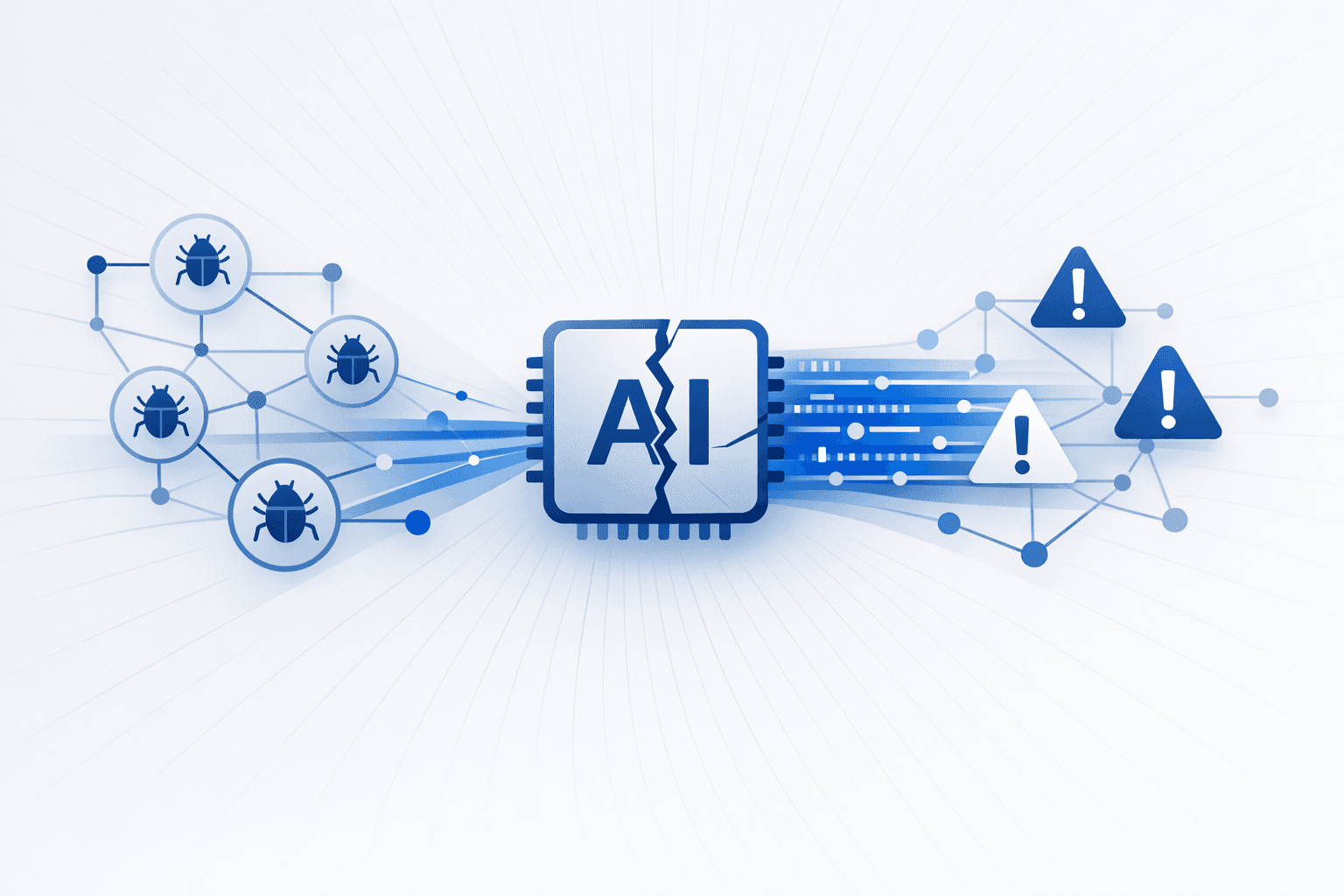
Anthropic restricted public release of its Mythos AI model after internal and external testing showed unusual strength in software vulnerability research, including the ability to analyze code, identify previously unknown flaws, and assess likely exploitability. The company said the concern was not the usual set of AI risks such as misinformation or hallucinations, but the possibility that advanced models could sharply accelerate vulnerability discovery and reduce a longstanding bottleneck in cyber operations.

A U.S. official told the Associated Press that, during joint testing with U.S. intelligence agencies under Anthropic’s Project Glasswing, Mythos identified vulnerabilities in highly sensitive U.S. government systems within hours. Senator Mark Warner later said at a Senate hearing that the tool had broken into almost all classified systems within hours, citing information attributed to NSA and U.S. Cyber Command leadership, while Anthropic and outside experts argued the model’s capabilities could help defenders patch systems faster even as they raise the risk of faster exploit development and weaponization.

Why it matters

Impact assessment

Anthropic’s Mythos testing indicates that advanced AI-assisted vulnerability research can materially compress the time needed to identify weaknesses in sensitive environments, including classified U.S. government systems. The immediate affected population is government, critical infrastructure operators, major enterprises, and software vendors that rely on large and complex codebases where faster flaw discovery could increase both defensive remediation pressure and offensive risk.

The impact is potentially severe because the reported capability could accelerate discovery of previously unknown vulnerabilities and shorten the window between flaw identification and exploit development. The story does not document confirmed malicious exploitation in the wild, but it does describe government concern that these capabilities could be weaponized quickly and at scale.

Supporting details

  • Affected sectors:
    • U.S. government and intelligence environments
    • Critical infrastructure providers
    • Software vendors and enterprises with large attack surfaces
    • Cyber defenders using AI-assisted security testing
  • Severity drivers:
    • Faster identification of unknown software flaws
    • Potential reduction of the traditional bottleneck in vulnerability research
    • Increased risk of rapid exploit weaponization once flaws are found
    • Possible operational disruption, data exposure, and national security consequences if similar capabilities are misused
  • Scope:
    • Strategic and potentially widespread over time, not limited to one product or CVE
    • Current reporting centers on controlled testing of highly sensitive U.S. government systems
    • Broader concern extends to any organization with exposed or complex software environments
  • Exploitation status:
    • No confirmed in-the-wild exploitation reported in the references
    • Senator Mark Warner publicly claimed the tool “broke into almost all classified systems,” but another U.S. official clarified that finding vulnerabilities within hours did not necessarily mean exploitation occurred in that timeframe
  • Key entities:
    • Anthropic
    • Mythos / Mythos 5
    • Fable 5
    • Project Glasswing
    • U.S. intelligence agencies
    • NSA
    • U.S. Cyber Command
    • Senator Mark Warner
    • OpenAI
    • GPT-5.6 Sol
New surface, new adversariesTrack how attackers are adapting to this technology.
Track this risk
Event timeline

How this story unfolded

Events from the most recent confirmed update back to the earliest known activity.

5 events · Jun 11, 2026 – Jun 29, 2026
  1. Jun 29, 20265mo ago

    Anthropic says Mythos 5 access partially restored for approved defenders

    Anthropic said the US government partially lifted restrictions on its Mythos 5 model, allowing limited access for a select group of cyber defenders and infrastructure providers while broader review continues. The move followed earlier limits tied to cybersecurity and national security concerns about advanced AI vulnerability discovery.

    OpenAI and Anthropic Limit New AI Models to Trump-Approved Customers During Cybersecurity Review - SecurityWeek
  2. Jun 24, 20265mo ago

    Cybersecurity leaders urge easing US restrictions on Anthropic models

    More than 100 cybersecurity experts and leaders from companies including Adobe and Nvidia urged the Trump administration to relax restrictions on Anthropic's advanced models, arguing Mythos is strong at vulnerability discovery and exploit weaponization but not uniquely capable versus other models.

    Anthropic’s Mythos Model Found Vulnerabilities in Classified US Government Systems, Official Says - SecurityWeek
  3. Jun 24, 20265mo ago

    Mythos is tested with US intelligence agencies on sensitive systems

    During a joint testing exercise under Anthropic's Project Glasswing, Mythos identified vulnerabilities in highly sensitive US government computer systems, with a US official saying some flaws were found within hours.

    Anthropic’s Mythos Model Found Vulnerabilities in Classified US Government Systems, Official Says - SecurityWeek
  4. Jun 11, 20266mo ago

    Sen. Warner cites Mythos classified-system testing at Senate hearing

    On June 11, Senator Mark Warner publicly referenced the testing at a Senate hearing, saying the tool broke into almost all classified systems within hours and attributing the information to NSA and US Cyber Command leader Gen. Joshua Rudd.

    Anthropic’s Mythos Model Found Vulnerabilities in Classified US Government Systems, Official Says - SecurityWeek
  5. Jun 11, 20266mo ago

    Anthropic restricts public release of Mythos over cybersecurity risks

    Anthropic withheld broader public release of its Mythos AI model because it showed an unusual ability to identify previously unknown software vulnerabilities, raising cybersecurity concerns beyond typical AI risk categories.

    teiss - News - Why Anthropic's Mythos model is raising concerns in cyber-security
Linked entities

Related entities

Vulnerabilities, threat actors, malware, products, organizations, and breaches Mallory has linked to this story.

Open in app →

Organizations

1 linked
Anthropic
Do you run this?Follow how adversaries are adapting to this technology, and where it touches your stack today.
Track This Risk
Mallory platform

See the full picture, correlated to your attack surface.

This page covers what’s public. Mallory adds the parts that aren’t: which of your assets are affected, which threat actors are using it right now, and what to deploy next.

Exposure mappingMap indicators from this story to your assets and identify affected systems in minutes.
Threat actor evidenceEvery observed campaign, victim, and pivot linked to actors named in this story.
Associated malwareMalware, exploits, and IOCs connected to the activity described here.
Detection signaturesYARA, Sigma, and Snort rules deployed to your SIEM as soon as they’re published.
Scheduled alertsGet matching new stories delivered to your team as they break, not the next morning.
AI threadsAsk questions about this story and take action on the answers.