XMRig Miner Embedded in Ransomware and SQL Server Intrusion Campaigns
Attack Tradecraft · 1 source · Updated 5mo ago · First seen Oct 1, 2020
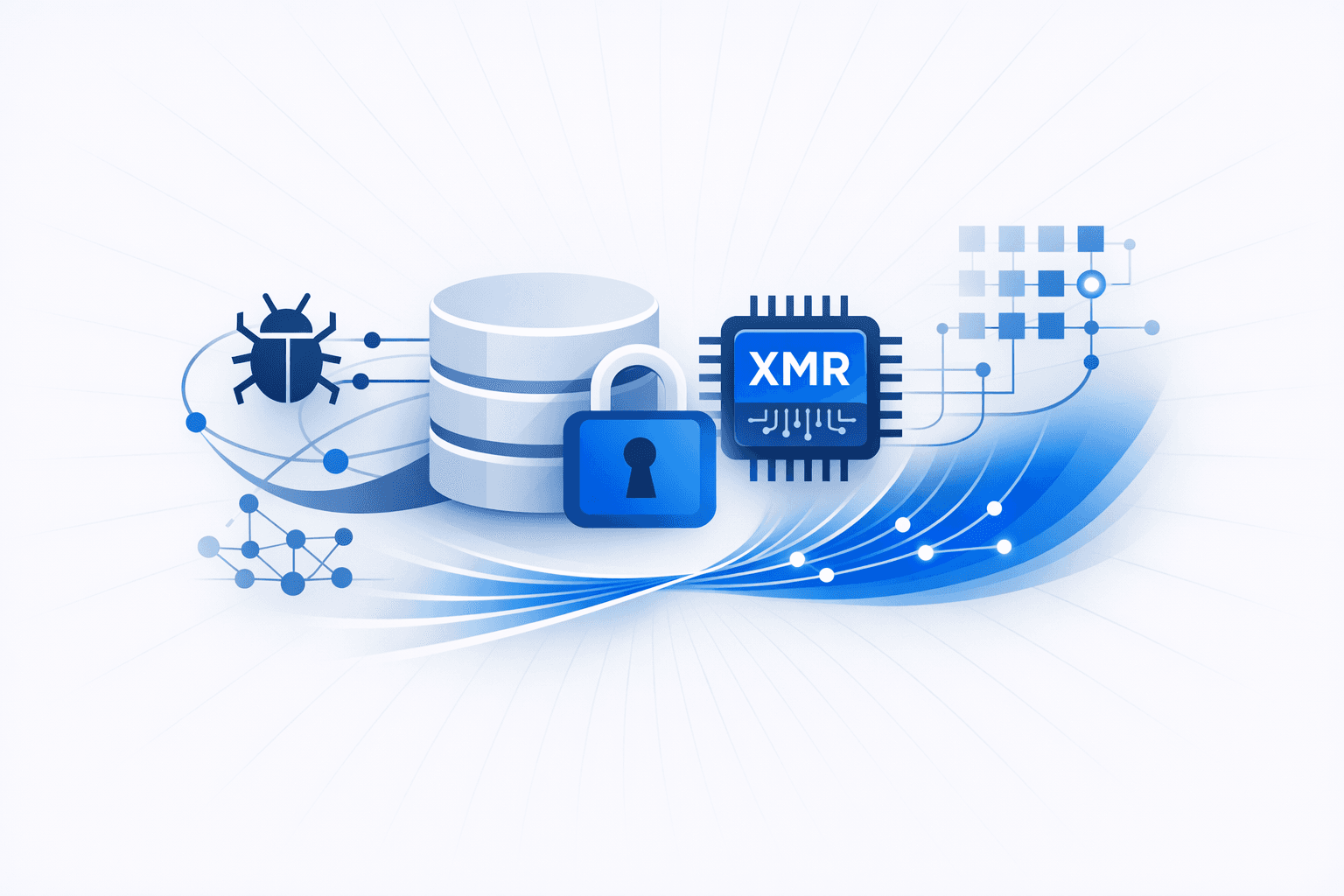
Kaspersky reported that the open-source XMRig Monero miner was being folded into broader malware operations, including a "ransominer" chain that monetized victims before any ransom was paid. In one observed intrusion, attackers used a generic Trojan to install administrative tools, create a new user account, enable RDP access, deploy Trojan-Ransom.Win32.Crusis, and then launch an XMRig loader so the compromised host immediately began generating cryptocurrency for the attackers.
Telemetry showed more than 5,000 attempts in August 2020 to install XMRig or modified variants, with Prometei and Cliptomaner identified as major distributors. Prometei brute-forced MS SQL credentials, abused xp_cmdshell and CVE-2016-0099, and used a cross-platform .NET Core/Apphost loader to fetch miner payloads for Windows and Linux systems. Cliptomaner, first detected in September 2020, posed as Realtek audio software, was written in AutoIT, mined cryptocurrency, and also hijacked copied wallet addresses by replacing them with attacker-controlled ones.
Why it matters
Impact assessment
XMRig is being used as a monetization component inside broader intrusion chains, not just as standalone cryptomining malware. Affected organizations include enterprises running Windows and Linux systems, especially environments with exposed or weakly secured Microsoft SQL Server instances and networks where RDP can be enabled post-compromise.
The impact is multi-layered: unauthorized cryptomining drives resource exhaustion and operational degradation, while the same intrusion chains also enable ransomware deployment, privilege escalation, lateral movement, and wallet-address theft. Exposure is broad rather than narrowly targeted, with Kaspersky telemetry showing more than 5,000 installation attempts in a single month and known use by Prometei and Cliptomaner; the reporting describes observed real-world exploitation.
Supporting facts
- Kaspersky observed an August 2020 intrusion chain where attackers installed admin tools, created a new user, enabled RDP, deployed Trojan-Ransom.Win32.Crusis, and then launched an XMRig loader.
- Attackers used RDP access to manually inspect victim networks and potentially spread ransomware to other nodes.
- Prometei targeted systems running MS SQL through credential brute force and automated post-compromise execution.
- Prometei supported both Windows and Linux, increasing server-side exposure across mixed environments.
- Cliptomaner added financial theft risk by replacing copied cryptocurrency wallet addresses with attacker-controlled values.
- The story documents active malicious use in the wild rather than a theoretical risk.