Maze Ransomware Expanded Double-Extortion Tactics and Targeted Intrusions
Threat Actor Intelligence · 1 source · Updated 5mo ago · First seen Jan 1, 2026

The Maze ransomware operation evolved from earlier exploit-kit activity associated with “ChaCha ransomware” into a prominent double-extortion threat that stole data before encrypting systems and then pressured victims by publishing stolen files on dedicated leak sites. Operators built a public reputation around naming victims, courting media attention, and using data exposure as leverage to increase the likelihood of ransom payments.
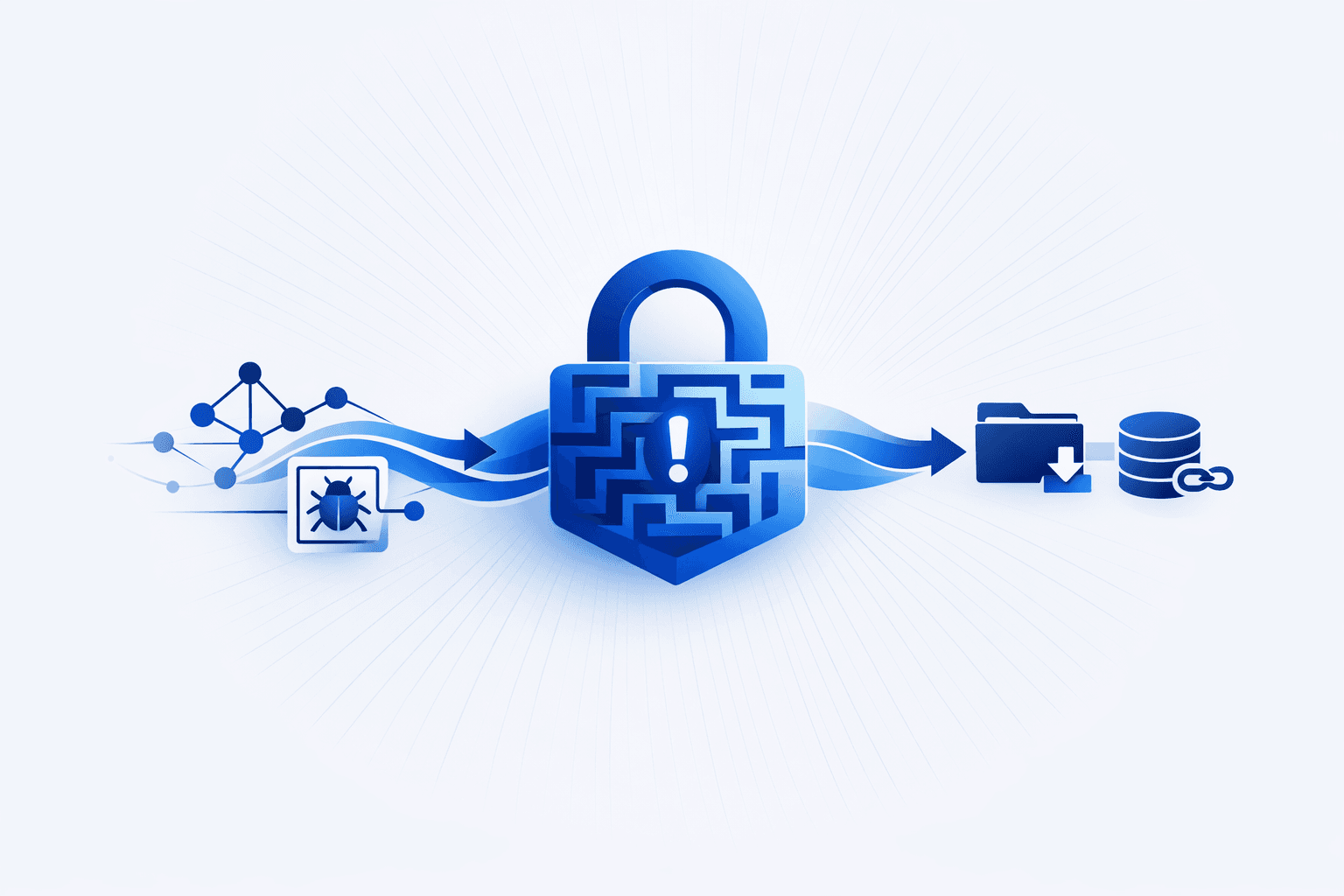
Maze infections were delivered through multiple channels, including spam campaigns impersonating government tax agencies and later more targeted compromises through Remote Desktop Protocol (RDP) access and network exploitation. Sophos reported that the malware used heavy obfuscation, anti-analysis checks, persistence mechanisms, system and network reconnaissance, HTTP POST data exfiltration, and file encryption based on RSA and ChaCha20, while also showing selective behavior such as adjusting demands for home versus corporate systems and easing pressure in some medical-sector cases during COVID-19.
Why it matters
Impact assessment
Maze affected enterprises exposed to phishing, RDP compromise, or broader network exploitation, with particular risk to organizations holding sensitive data that could be used for extortion. Impact was severe because the operation combined file encryption with pre-encryption data theft and public leak-site pressure, creating simultaneous operational disruption, data-loss exposure, legal risk, and reputational damage.
Summary
The campaign was broad in delivery methods but often escalated into targeted intrusions, making exposure wider than a single-sector threat while still enabling tailored victim pressure. The story describes known real-world victimization and public data leaks, indicating confirmed exploitation in the wild.
Supporting details
- Affected populations: enterprise victims, organizations with internet-exposed RDP, users susceptible to tax-themed phishing, and networks vulnerable to lateral compromise.
- Industries: cross-sector exposure; the reporting notes selective behavior toward some medical organizations during COVID-19 rather than a strict sector focus.
- Severity drivers:
- Encryption of business systems and files
- Theft and public exposure of victim data
- Extortion pressure amplified through media engagement and leak-site publication
- Potential financial loss from ransom demands, recovery costs, and regulatory consequences
- Scope:
- Delivered through exploit kits, spam, RDP attacks, and other network exploitation methods
- Broad initial access options increased potential victim pool
- Operators later conducted more targeted intrusions
- Known incidents:
- Maze publicly exposed stolen data from Allied Universal in November 2019
- The operation publicly named victims and maintained dedicated victim and leak sites
- Business implications:
- High likelihood of operational downtime from encryption
- Elevated reputational harm due to deliberate public shaming and leak publication
- Increased legal and compliance exposure where stolen data included regulated information