Election Infrastructure Faces Persistent Intrusions Beyond Voting Periods
Sector Threat Intelligence · 2 sources · Updated 5mo ago · First seen Jun 10, 2026

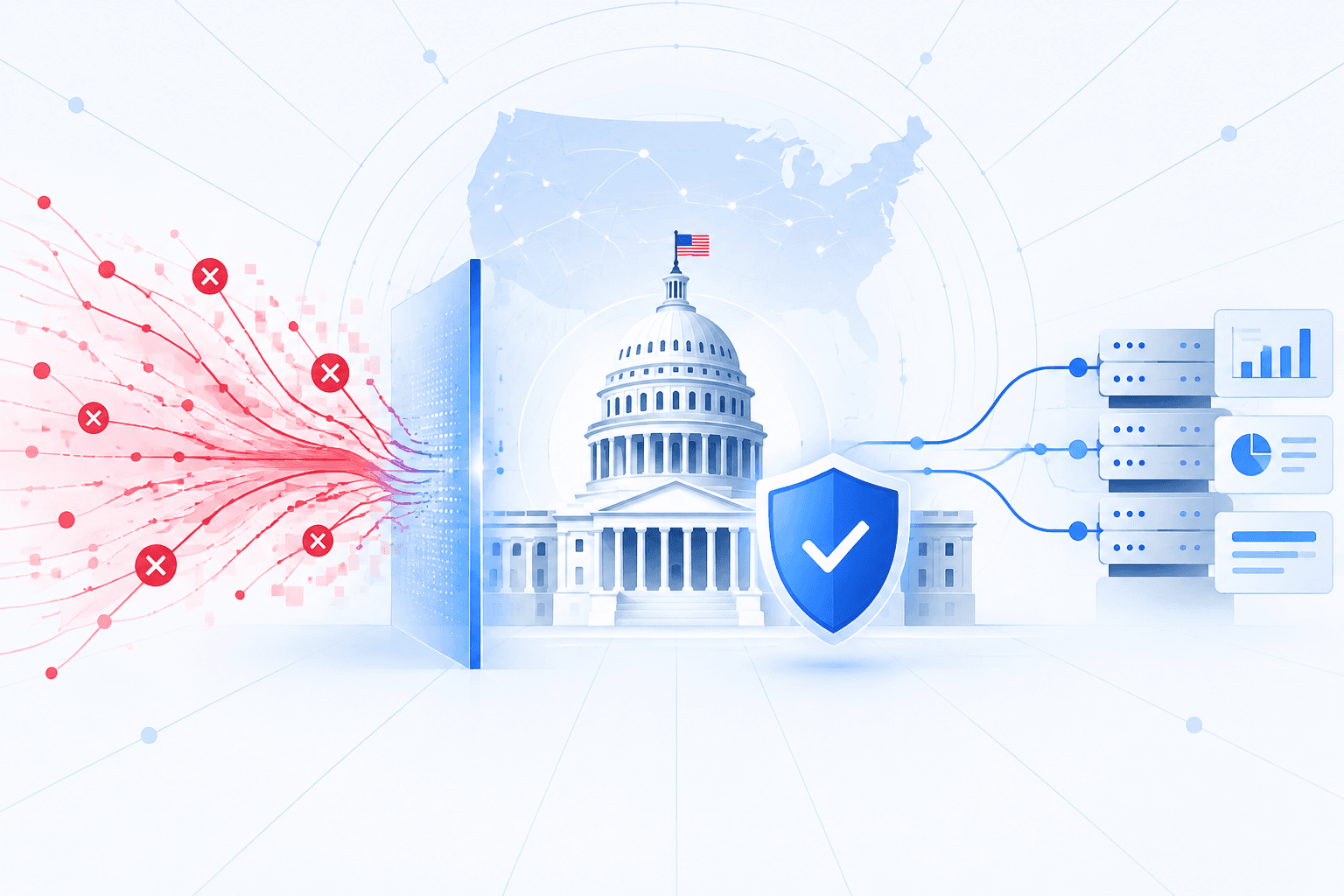
Investigators reported that election-related networks are being targeted as a continuous operational environment, not just during active voting periods. Analysis of cyber activity tied to the 2024 election cycle across the United States, United Kingdom, India, Indonesia, Mexico, South Africa, and the European Parliament found adversaries maintaining long dwell times and sustained footholds in electoral environments before and after peak election periods. The activity indicates attackers are increasingly focused on pre-positioning for future election cycles rather than only seeking immediate disruption.
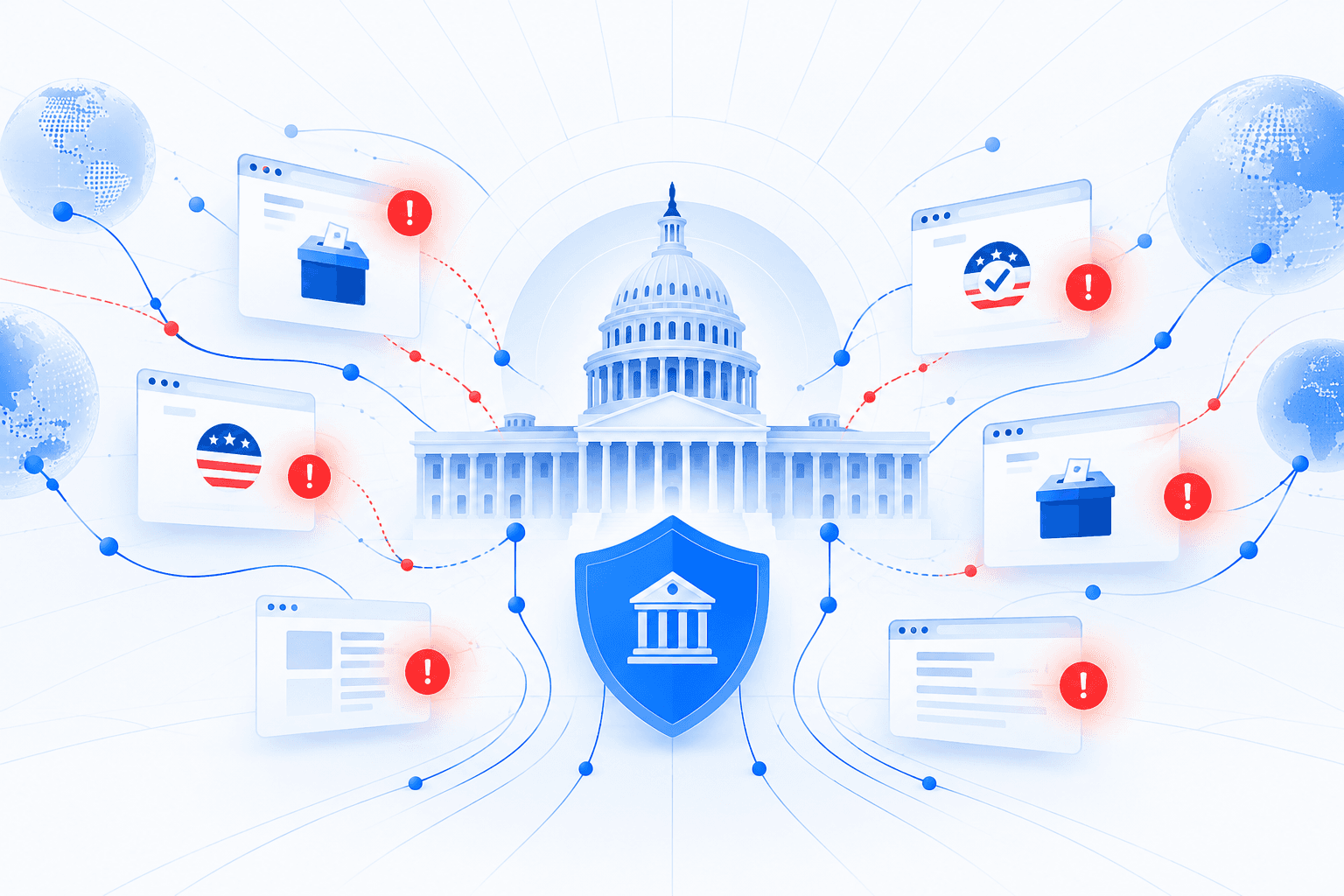
The reported attack surface extends well beyond election commissions to include political parties, campaign infrastructure, voter registration systems, third-party technology providers, and media organizations. Initial access commonly came through phishing, credential compromise, and exploitation of internet-facing services, followed by reconnaissance across the broader electoral ecosystem. The findings argue that election systems should be treated as critical infrastructure requiring year-round monitoring, coordination, resilience planning, and information sharing across public and private organizations.
Why it matters
Impact assessment
Election-related organizations face sustained cyber exposure year-round, not only during active voting periods. Affected entities include election commissions, political parties, campaign infrastructure, voter registration systems, third-party technology providers, and media organizations across multiple democracies including the United States, United Kingdom, India, Indonesia, Mexico, South Africa, and the European Parliament ecosystem.
The impact is potentially severe because long-term footholds can enable data theft, operational disruption, selective manipulation, and reputational damage timed to politically sensitive periods. The scope is broad and distributed rather than isolated, with attackers exploiting weaker links across interconnected public and private organizations; the reporting describes persistent intrusions and long dwell times, but does not attribute activity to specific actors or provide confirmed public incidents of disruptive exploitation in the wild.
Supporting facts
- Investigators observed long dwell times and sustained footholds in election-related environments.
- Adversaries established access before peak election periods and maintained it afterward.
- Reported objectives include pre-positioning for future election cycles, not only immediate disruption.
- The attack surface extends beyond election authorities to supporting organizations with varying security maturity.
- Persistent access may support later influence operations or data manipulation.
- Organizational boundaries and limited information sharing create detection and response gaps attackers can exploit.