Lemon Group Used Preinfected Android Devices for OTP Theft, Hijacking, and Fraud
Threat Actor Intelligence · 1 source · Updated 5mo ago · First seen May 26, 2026

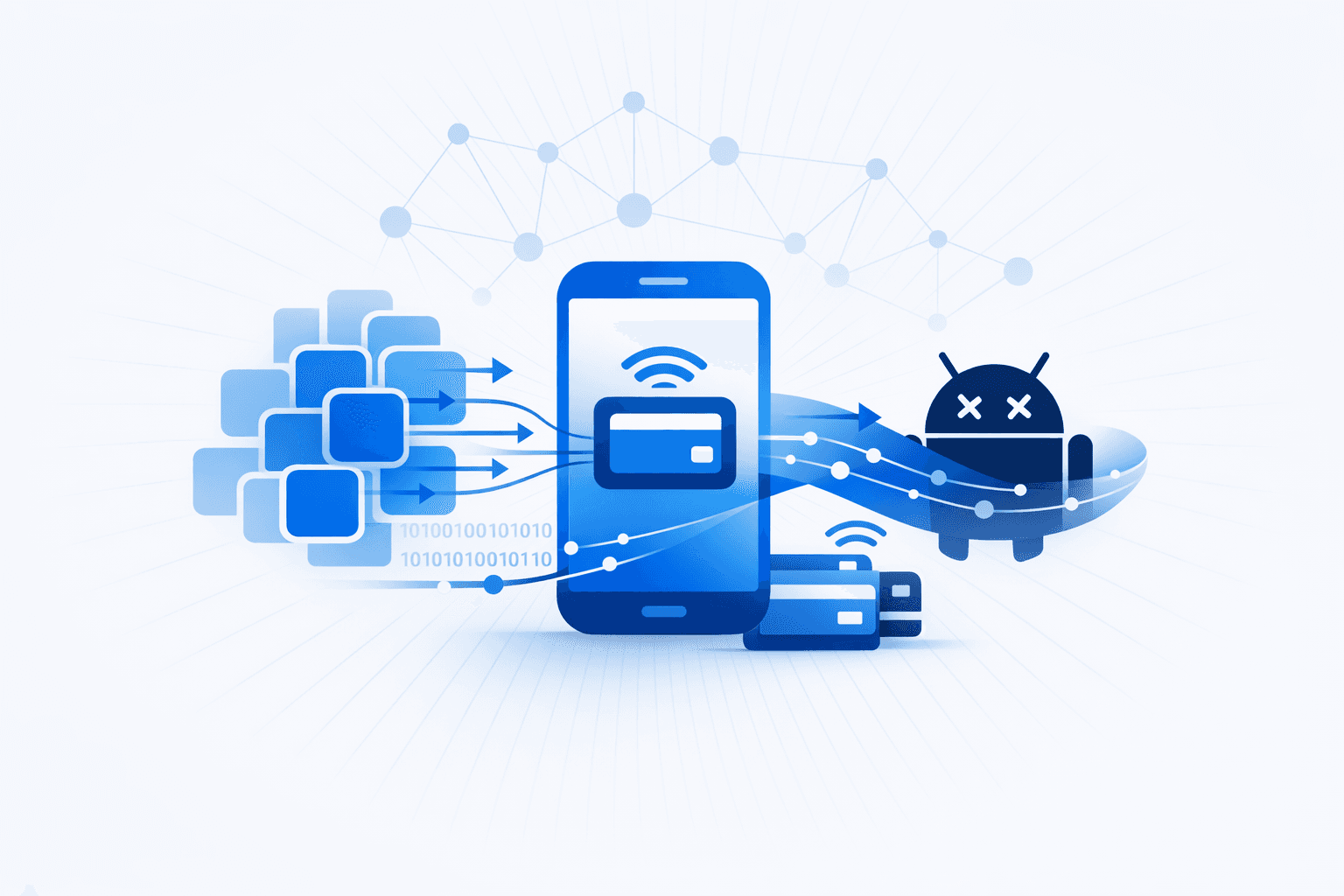
Trend Micro reported that the Lemon Group, later rebranded as Durian Cloud SMS, operated a large cybercriminal ecosystem built on preinfected Android devices. The malware framework used multiple plugins to monetize compromised phones through SMS interception, proxy services, account hijacking, ad fraud, and silent app installation directed by command-and-control servers. Researchers said the malware could capture one-time passcodes from services including WhatsApp, Facebook, QQ, Line, Tinder, and JingDong, dump Facebook cookies and profile data, hijack WhatsApp sessions, and remotely install or remove APKs without user awareness.
Trend Micro said the operators removed some Lemon branding after earlier public exposure but kept the same infrastructure in place under the Durian Cloud SMS name. Monitoring tied the operation to more than 490,000 mobile numbers used for OTP requests, and infected devices were observed in over 180 countries. The most affected countries included the United States, Mexico, Indonesia, Thailand, Russia, South Africa, India, Angola, the Philippines, and Argentina, indicating a globally distributed mobile fraud and account-compromise operation.
Why it matters
Impact assessment
Lemon Group, later rebranded as Durian Cloud SMS, operated a large-scale mobile cybercrime ecosystem using preinfected Android devices to enable OTP theft, account hijacking, proxy abuse, ad fraud, and silent app installation. The impact is severe for consumer-facing platforms that rely on SMS-based verification and for users of low-cost Android devices, with direct risk of account takeover, fraud, abuse of victim identities, and misuse of device network resources.
Scope and severity
- Infected devices were observed in more than 180 countries, indicating broad global exposure rather than a narrowly targeted campaign.
- Trend Micro tied the operation to more than 490,000 mobile numbers used for OTP requests.
- Most affected countries included the United States, Mexico, Indonesia, Thailand, Russia, South Africa, India, Angola, the Philippines, and Argentina.
- The operation supported multiple monetization streams at once: SMS PVA/OTP harvesting, reverse proxy services, Facebook account abuse, WhatsApp session hijacking, ad fraud, and silent APK deployment.
Who is affected
- Android users with preinfected devices, especially buyers of low-cost or supply-chain-compromised phones.
- Online services using SMS OTP for authentication or account recovery, including WhatsApp, Facebook, QQ, Line, Tinder, and JingDong.
- Organizations whose employees use unmanaged Android devices for business communications or MFA.
- Social media and messaging platforms exposed to account abuse, spam, and fraudulent marketing activity from compromised legitimate accounts.
Known in-the-wild activity
- This is not a theoretical risk; Trend Micro described an active criminal ecosystem with operational infrastructure that persisted after public exposure.
- Operators reportedly rebranded from Lemon Group to Durian Cloud SMS while keeping the same servers in place, indicating continued operations and adaptation rather than shutdown.