Spyware Apps Reached Google Play in Government-Linked Android Surveillance Campaigns
Threat Actor Intelligence · 2 sources · Updated 5mo ago · First seen May 25, 2026
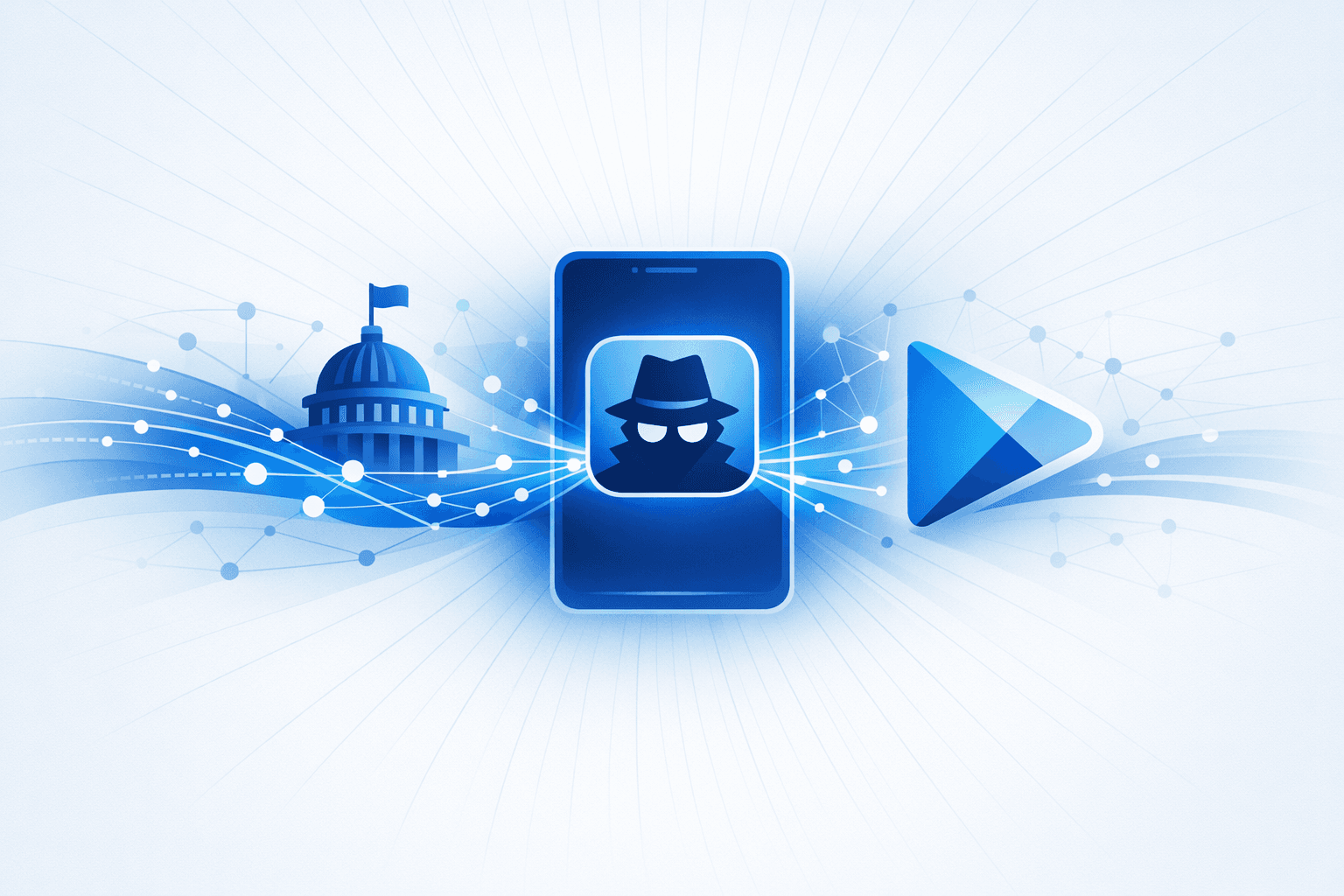
Researchers and journalists reported multiple cases in which Android spyware linked to government actors was distributed through official app stores, including Google Play. In one campaign, Lookout said North Korean operators deployed spyware it tracks as KoSpy through at least one Google Play app and additional listings on APKPure. The malware was built for surveillance, with capabilities to collect SMS messages, call logs, location data, files, keystrokes, Wi-Fi details, and installed apps, and to record audio, take photos, and capture screenshots. Lookout assessed the operation as highly targeted, likely aimed at specific individuals in South Korea, and linked supporting infrastructure to activity associated with APT37 and APT43.
A separate earlier case involved Exodus, spyware that researchers found hidden in Google Play apps and described as government malware. Together, the incidents show that official Android marketplaces have been used to deliver surveillance tools masquerading as legitimate apps. Google said it removed the identified KoSpy apps from Google Play, disabled related Firebase projects, and that Google Play Protect blocks known versions of the malware.
Why it matters
Summary
This activity affects Android users who install apps from official and third-party marketplaces, with the highest risk to targeted individuals in South Korea and to organizations whose personnel may be subject to government-linked mobile surveillance. Impact is severe at the individual and enterprise level because the spyware enables broad device monitoring, data theft, and covert collection of communications, location, and media.
Supporting details
Affected populations
- Android users who installed the identified malicious apps from Google Play or APKPure.
- Likely primary targets: specific individuals in South Korea who speak Korean or English.
- Organizations with executives, diplomats, journalists, researchers, activists, or staff traveling to or operating in South Korea face elevated exposure.
Severity and business impact
- High privacy and intelligence risk due to collection of SMS, call logs, location, files, keystrokes, Wi-Fi details, and installed apps.
- High operational and reputational risk for affected organizations because compromised mobile devices can expose sensitive communications, internal documents, travel patterns, and account access.
- Potential downstream compromise risk if harvested credentials, screenshots, or device data are used to access enterprise services.
Scope and exploitation
- Scope appears targeted rather than widespread; one Google Play listing reportedly showed more than 10 downloads.
- Exploitation in the wild is established: researchers reported active distribution through Google Play and APKPure.
- The campaign is linked by researchers to North Korean government activity, with infrastructure overlaps to APT37 and APT43-associated operations.