PHP-CGI Argument Injection Flaw CVE-2024-4577 Exploited to Deploy TellYouThePass
Active Exploitation · 7 sources · Updated 3mo ago · First seen Dec 18, 2024
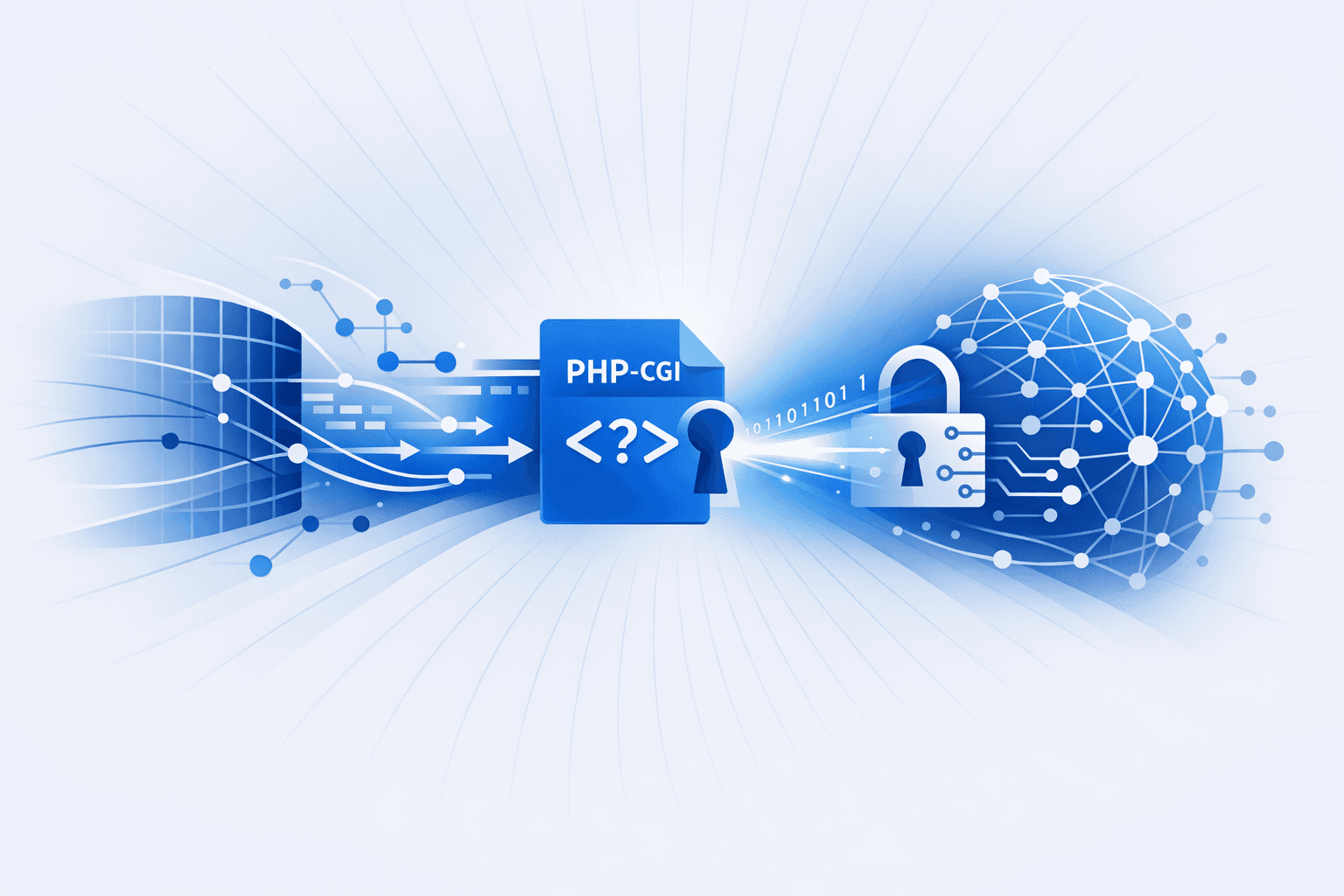
A critical remote code execution vulnerability in PHP on Windows, tracked as CVE-2024-4577, allows argument injection in PHP-CGI through Windows Best-Fit character encoding conversion. The flaw affects supported and unsupported PHP 5.x+ versions and is especially dangerous in CGI deployments where php-cgi.exe or php.exe is exposed to the web, including common default XAMPP-style configurations. Researchers reported that specially crafted HTTP requests can bypass prior protections and achieve remote code execution without authentication.
Security updates were released in PHP 8.3.8, 8.2.20, and 8.1.29, but exploitation began rapidly after disclosure. Multiple reports said attackers were using crafted POST requests to launch mshta.exe, retrieve a malicious HTA payload, and execute TellYouThePass ransomware via in-memory VBScript loading. Defenders were urged to patch immediately and, where patching was not yet possible, restrict or disable PHP-CGI exposure and apply web-server filtering and configuration mitigations to block exploit requests.
Why it matters
Impact assessment
CVE-2024-4577 is a critical unauthenticated remote code execution flaw affecting PHP on Windows, with highest risk in PHP-CGI deployments and additional exposure in web-accessible php.exe/php-cgi.exe configurations such as XAMPP-style setups. The impact is severe because successful exploitation enables full server-side code execution and has already been used in the wild to deploy TellYouThePass ransomware, creating risk of encryption, service disruption, recovery costs, and downstream compromise.
Affected populations and scope
- Affected product: PHP for Windows
- Affected versions: supported and unsupported PHP 5.x+ versions, per the story
- Highest-risk deployments: PHP running in CGI mode
- Additional risky configuration: php.exe or php-cgi.exe exposed through web-accessible directories
- Example exposed environment: default XAMPP-style configurations
- Likely affected sectors: any organization hosting Windows-based PHP applications, especially SMB web hosting, internal business apps, and legacy Windows web stacks
Severity and operational impact
- CVSS v3.1: 9.8
- Impact type: unauthenticated remote code execution
- Business consequences: ransomware deployment, application outage, server rebuilds, data loss risk, incident response costs, and reputational damage
- Scope: potentially widespread because PHP on Windows is broadly deployed and legacy versions are included
Evidence of exploitation
- Exploitation in the wild is reported
- Observed post-disclosure weaponization was rapid
- Reported payload family: TellYouThePass ransomware
- Research and reporting entities referenced: Devcore, Imperva, CSIRT.SK