Rancor Deploys Custom Malware in Cyber-Espionage Campaigns Across Southeast Asia
Threat Actor Intelligence · 1 source · Updated 5mo ago · First seen May 25, 2026
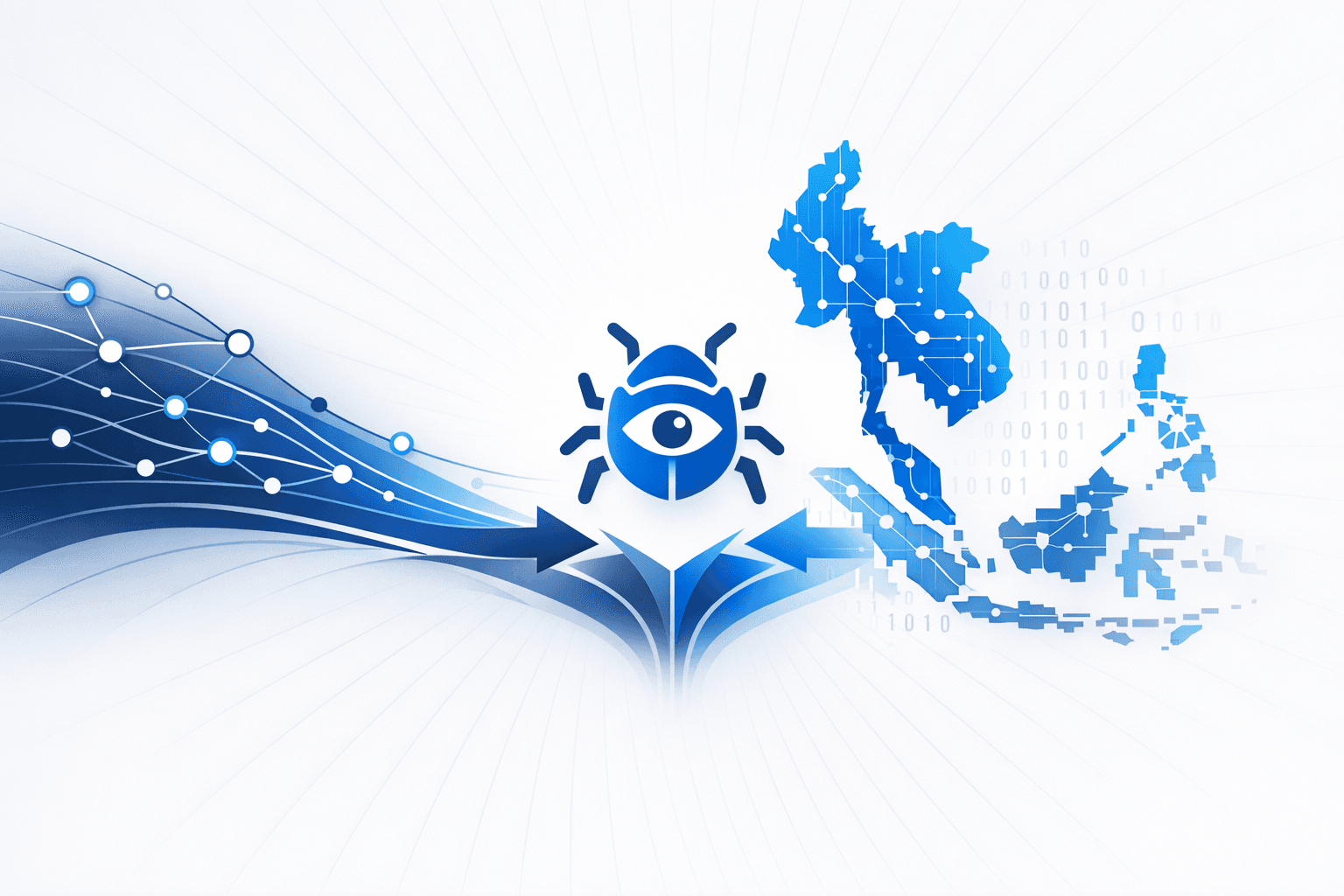
The cyber-espionage group Rancor was reported using new custom malware to target organizations in Southeast Asia, expanding a long-running intrusion set focused on regional victims. The activity was attributed to espionage operations rather than financially motivated crime, with attackers relying on tailored malware and campaign-specific tooling to gain access and maintain a foothold in targeted environments.
The reporting indicates that Rancor continued to refine its tradecraft by introducing previously unseen malware in attacks against entities in the region, underscoring the group’s persistence and operational development. For defenders, the activity highlights the ongoing risk from state-aligned or espionage-focused actors that adapt malware families and intrusion methods to sustain access to government and other strategically relevant targets in Southeast Asia.
Why it matters
Impact assessment
Rancor’s activity primarily affects government, public-sector, and strategically relevant organizations in Southeast Asia, with likely spillover risk to telecommunications, military-adjacent, diplomatic, and regional enterprise targets. The impact is high for confidentiality and long-term operational security because the campaign is espionage-driven, uses custom malware, and is designed to establish persistence rather than cause immediate disruption.
The scope appears targeted rather than indiscriminate, focused on regional victims selected for intelligence value. The reporting describes active intrusion operations and custom tooling, which indicates real-world exploitation in the wild against named geographic target sets.
Supporting facts
- Threat actor: Rancor
- Activity type: cyber-espionage campaign
- Geographic focus: Southeast Asia
- Victim profile: organizations of strategic interest in the region
- Operational objective: access, foothold establishment, and persistence for intelligence collection
- Severity drivers:
- Potential theft of sensitive government or enterprise information
- Long dwell time risk from tailored malware and campaign-specific tooling
- Reputational and national-security implications for affected entities