LastPass Breach Exposed Customer Vault Backups After DevOps Engineer Compromise
Breach & Incident Intelligence · 10 sources · Updated 5mo ago · First seen May 25, 2026

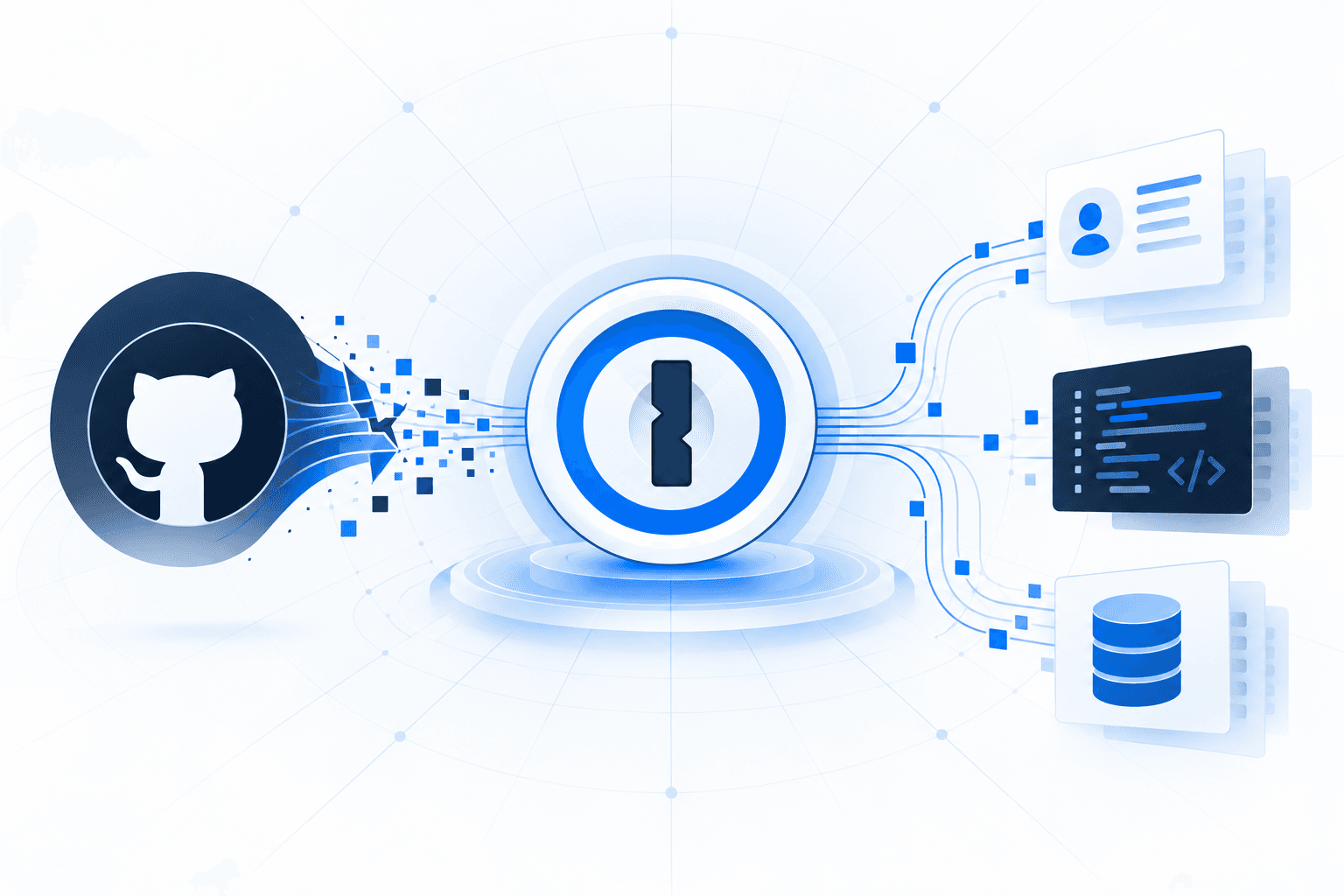
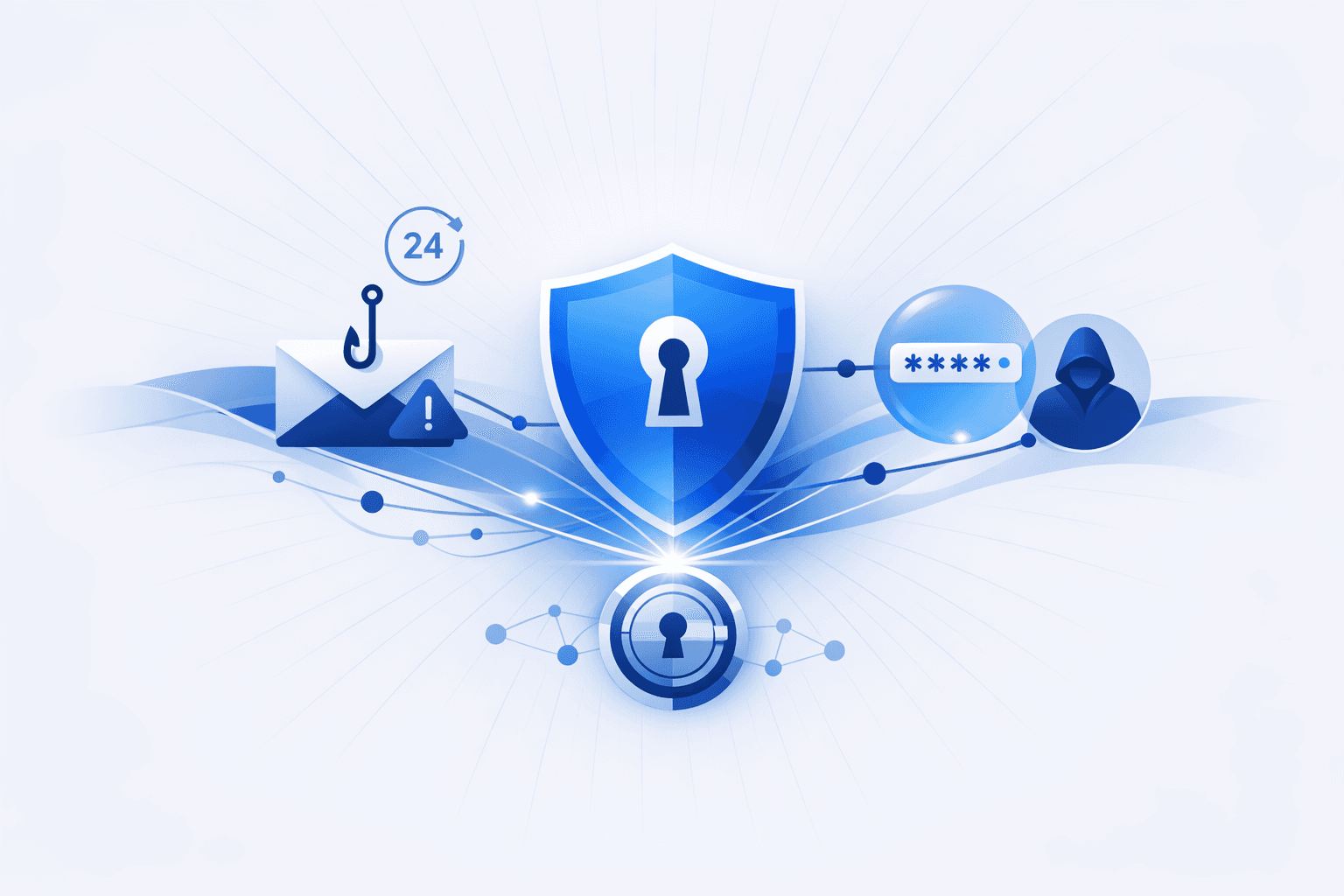
LastPass disclosed that attackers expanded an initial August 2022 development-environment breach into a broader compromise that reached customer vault backups and account data. According to the company and subsequent reporting, the intruders used source code and technical information stolen in the first intrusion, combined with intelligence from a separate third-party breach, to target a DevOps engineer with access to decryption keys and AWS resources. The attackers compromised the engineer’s home computer through a vulnerable media software package, installed a keylogger, captured the employee’s master password after MFA, and then accessed the engineer’s corporate vault and shared folders.
The stolen material included encrypted secure notes containing credentials and decryption keys for AWS S3 production backups, other cloud storage resources, and related database backups, allowing access to a separate cloud storage environment. LastPass said the attackers copied customer account information and metadata, plus backups of customer vault data containing unencrypted website URLs and AES-256-encrypted usernames, passwords, secure notes, and form data; later guidance urged users with weak master passwords to change stored credentials. The fallout triggered lawsuits, regulatory scrutiny including action by the UK ICO, and ongoing concern that weak master passwords could allow criminals to crack vault contents offline.
Why it matters
Impact assessment
LastPass customers were affected through theft of customer account information, metadata, and backups of customer vault data, while LastPass itself faced regulatory, legal, and reputational damage. The most serious risk falls on users with weak master passwords because stolen vault backups can be subjected to offline cracking, potentially leading to credential theft, account takeover, and downstream compromise across personal and enterprise services.
Business impact summary
The exposure is broad rather than narrowly targeted because it involves customer backup data from a major password manager platform. Operational impact includes incident response, credential rotation, certificate reissuance, customer remediation, and long-tail fraud and account compromise risk if vault contents are decrypted.
Affected entities and populations
- LastPass customers, including consumer and business users
- Business customers not using federated login services were specifically called out as higher risk if master passwords were weak
- LastPass internal engineering and cloud backup environments were directly compromised
- Industries with employee or shared use of LastPass are indirectly exposed through reused or stored credentials
Severity and scope
- Customer account information and metadata were copied
- Vault backups were copied from cloud storage
- Website URLs were stored unencrypted in the stolen vault backups
- Usernames, passwords, secure notes, and form-filled data were encrypted with AES-256 in the backups
- Exposure is widespread due to the scale of the LastPass customer base and the nature of centralized password storage
Known exploitation and downstream risk
- There is confirmed real-world exploitation of LastPass infrastructure and employee access paths
- The intrusion chain progressed from development-environment theft to compromise of a DevOps engineer’s home computer and then to AWS-hosted backups
- Reporting cited ongoing concern that criminals may crack stolen vaults offline, especially where master passwords were weak
- Regulatory scrutiny included UK ICO action, and the incident triggered lawsuits