Keenadu Android Backdoor Linked to Major Mobile Botnet Activity
Malware Intelligence · 1 source · Updated 5mo ago · First seen May 25, 2026

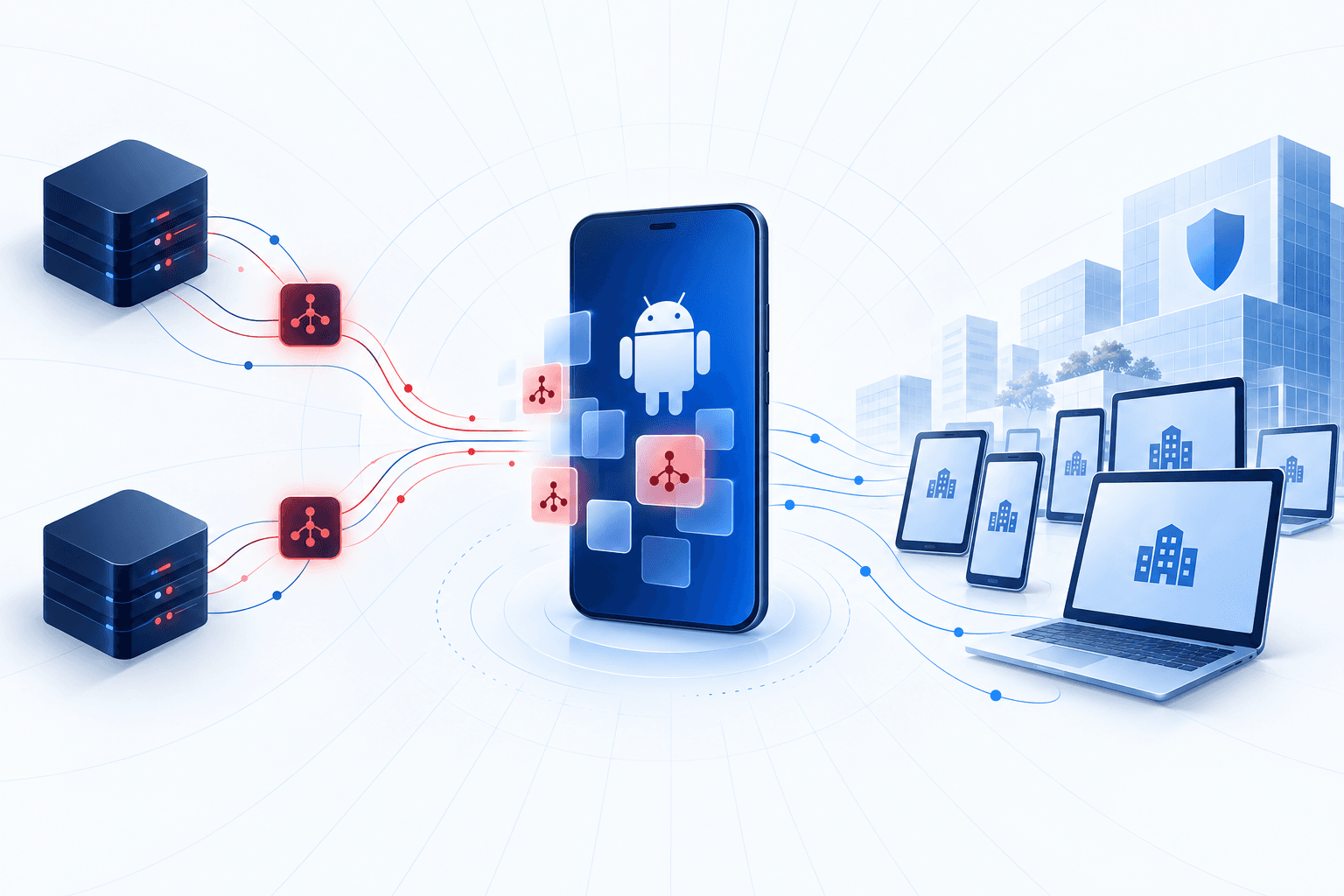
Kaspersky researchers reported that the Keenadu Android backdoor was used to compromise tablet devices and showed technical links to several major Android botnets. The malware was described as a multifunctional implant capable of taking control of infected devices, with analysis indicating overlaps in infrastructure, development patterns, and behavior with broader mobile botnet operations.
The report said the findings tied Keenadu to an ecosystem of Android malware that has targeted mobile users through persistent backdoor access and botnet-style command-and-control activity. By connecting Keenadu to established Android threat activity, the research highlighted how mobile malware operators can reuse tooling and infrastructure across campaigns to expand infections and maintain remote access on compromised devices.
Why it matters
Impact assessment
Keenadu is an Android backdoor associated with broader mobile botnet activity, creating risk for organizations with managed or unmanaged Android tablets and for users who rely on those devices for business access. The primary impact is unauthorized remote control of infected devices, which can enable data theft, account compromise, surveillance, fraud, and use of devices as part of botnet operations.
The exposure appears targeted at Android mobile endpoints rather than enterprise servers, but the linkage to established botnet infrastructure indicates potential for broader scale infections rather than a single isolated campaign. The story does not cite a CVE or a specific software flaw; instead, it describes active malware operations and technical overlap with known Android botnet ecosystems, which implies real-world malicious use rather than a purely theoretical threat.
Affected populations
- Android tablet users
- Enterprises with BYOD or corporate-managed Android fleets
- Industries with field tablets, kiosks, logistics, retail, healthcare, and mobile workforce use cases
- Consumers whose devices may be enrolled into mobile botnets
Severity and business impact
- Remote access to compromised devices can expose corporate email, messaging, stored files, credentials, and MFA prompts
- Botnet enrollment can cause operational disruption, fraud risk, bandwidth abuse, and reputational damage
- Mobile compromise can provide a foothold into enterprise SaaS and identity systems if devices are used for business authentication
Scope and exploitation
- Scope is potentially broad due to reported ties to major Android botnets and shared infrastructure/tooling
- The report describes malware observed in use, indicating malicious activity in the wild
- No victim count or geographic concentration is provided in the story text