APT28 Router DNS Hijacking Campaign Disrupted by FBI
Threat Actor Intelligence · 4 sources · Updated 5mo ago · First seen May 25, 2026

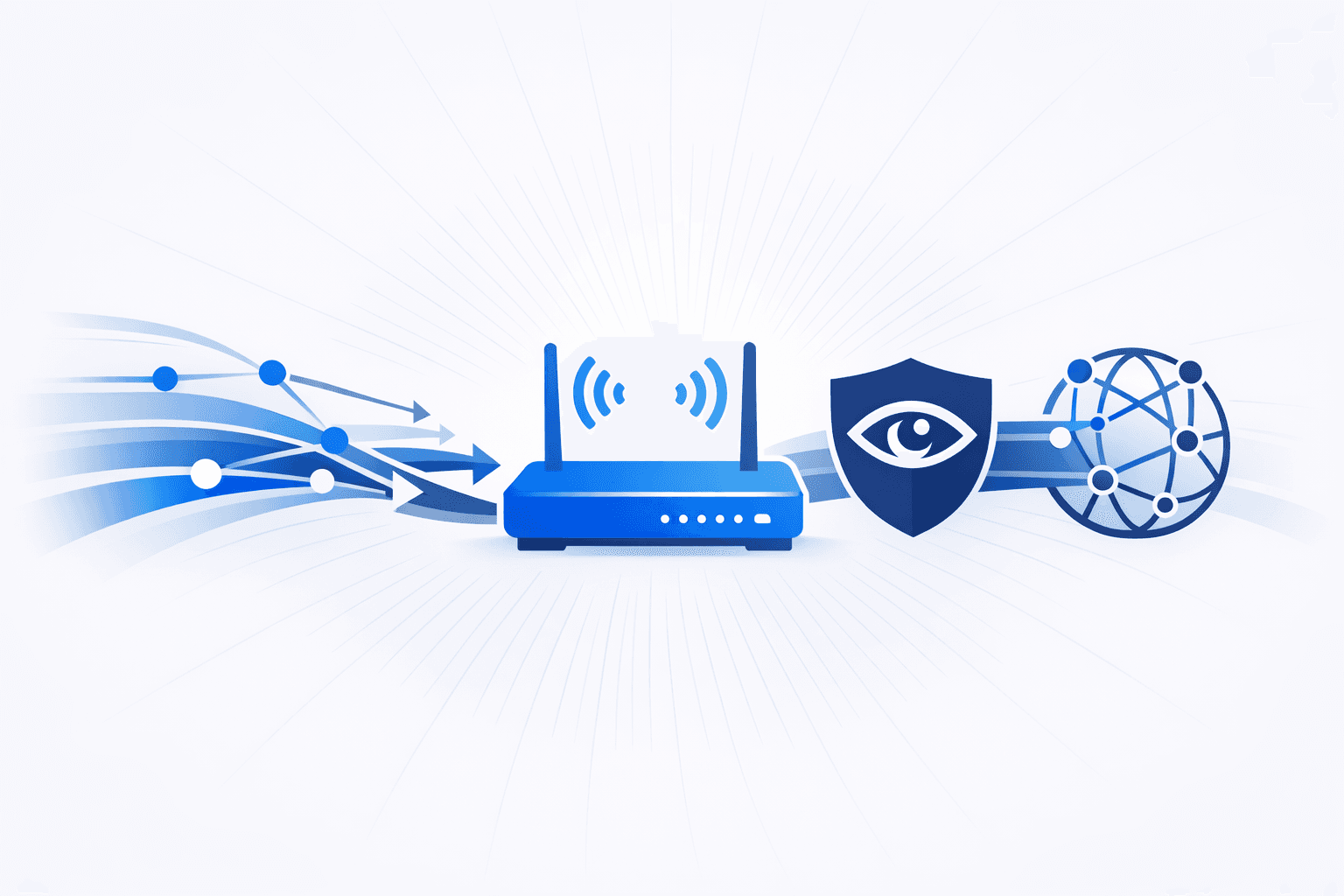
The FBI disrupted an APT28 operation that compromised internet-connected routers to enable DNS hijacking, according to reporting citing U.S. and UK government findings. The campaign abused vulnerable edge devices to alter DNS settings and redirect traffic, giving the Russian state-linked group a way to intercept victim communications, harvest credentials, and support follow-on espionage activity. The activity was significant enough to prompt public warnings from the FBI and the UK NCSC, which described router exploitation as a key enabler for the hijacking operations.
Government guidance tied the operation to exploitation of routers exposed to the internet and urged organizations to harden perimeter infrastructure by patching devices, restricting remote administration, rotating credentials, and reviewing DNS configurations for unauthorized changes. The disclosures underscore how Russian espionage actors continue to rely on stealthy network-level tradecraft—using compromised infrastructure rather than malware alone—to persist in victim environments and covertly redirect or monitor traffic.
Why it matters
Impact assessment
APT28 used compromised internet-exposed routers to conduct DNS hijacking, enabling interception of victim traffic, credential theft, and follow-on espionage. The primary exposure is to organizations and users relying on vulnerable edge devices, especially where remote administration is exposed or DNS settings are weakly monitored.
The impact is high for targeted victims because router-level compromise can silently redirect authentication flows, email, web traffic, and other communications without deploying endpoint malware. Scope appears targeted rather than indiscriminate, but the affected technology class is broad because internet-connected routers and perimeter devices are common across enterprises, small businesses, and home-office environments.
Supporting facts
- Threat actor: APT28, a Russian state-linked espionage group.
- Activity disrupted by: FBI, with public warning support from the UK NCSC.
- Primary effect: DNS hijacking through compromised routers.
- Likely consequences: credential harvesting, traffic interception, covert monitoring, and support for follow-on intrusion activity.
- Affected populations: organizations operating internet-exposed routers, remote offices, hybrid workers, and environments with unmanaged or legacy edge devices.
- Exposure pattern: targeted espionage operations using broadly deployed edge infrastructure.
- Exploitation in the wild: yes; the story states the FBI disrupted an active APT28 campaign and government agencies issued warnings tied to observed operations.