Mallory
← Back to News
build-pipeline-compromiseleaked-secret-api-keyvendor-distribution-compromiseopen-source-dependency-vulnerability

Backdoored `tj-actions/changed-files` GitHub Action Leaked CI Secrets from Workflow Logs

Supply Chain Risk · 12 sources · Updated 5mo ago · First seen May 21, 2026

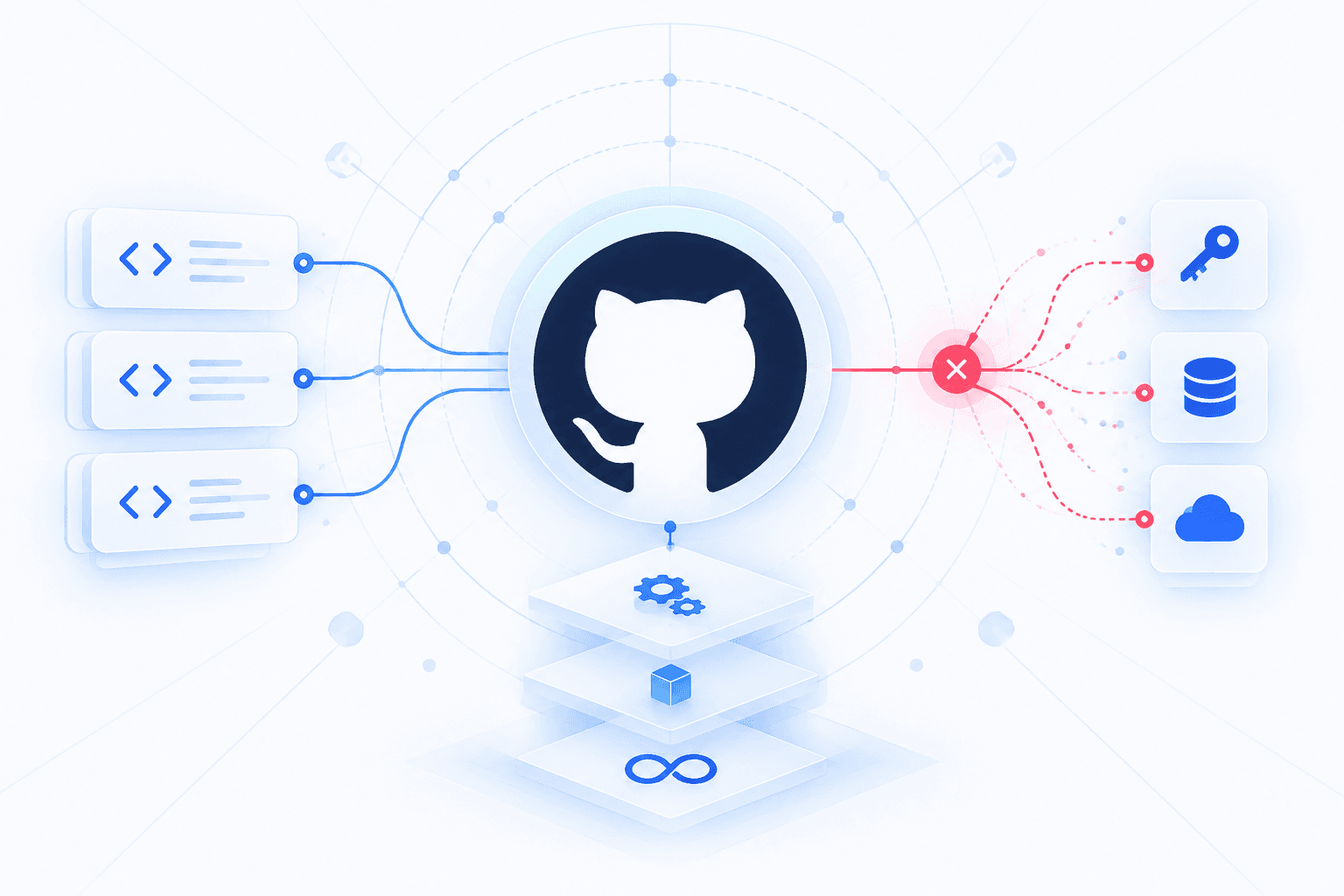
The widely used GitHub Action tj-actions/changed-files was compromised after an attacker gained write access to the repository and retargeted release tags to a malicious orphaned commit, causing workflows pinned to tags rather than immutable SHAs to run attacker-controlled code. The backdoor downloaded and executed a remote payload that scraped decrypted GitHub Actions secrets from process memory and printed them into workflow logs, exposing repositories that executed the action and creating acute risk for public projects where logs were openly accessible. The incident was detected after anomalous outbound network activity was observed, and the maintainer removed the malicious changes soon afterward.

Follow-on analysis found the blast radius was substantial because the action was referenced across roughly 23,000 repositories and many workflows were not pinned to a full commit hash. GitGuardian reported that among workflows executed during the compromise window, hundreds showed signs of exploitation and 603 secrets were exposed in logs, including temporary GitHub tokens, DockerHub credentials, AWS keys, GitHub personal access tokens, Jira tokens, and cloud.gov credentials. Organizations using the action were urged to review workflow runs from March 14 onward, delete affected logs, rotate any exposed credentials, audit dependencies and commits, and pin third-party GitHub Actions to full commit SHAs to reduce future supply-chain risk.

Why it matters

Impact assessment

The incident affects organizations using the tj-actions/changed-files GitHub Action in CI/CD workflows, especially repositories pinned to mutable tags instead of full commit SHAs. Impact is high because the malicious action exposed CI secrets in workflow logs, creating immediate credential-compromise risk for source control, cloud, container registry, and deployment environments.

The exposure was broad rather than narrowly targeted: the action was referenced by roughly 23,000 repositories, and GitGuardian observed 1,104 workflow runs during the compromise window, with 276 showing signs of exploitation and 603 secrets exposed. Exploitation in the wild is confirmed, and public repositories faced elevated risk because leaked secrets could be retrieved directly from publicly accessible GitHub Actions logs.

Supporting facts

  • Affected product: GitHub Action tj-actions/changed-files.
  • Exposure mechanism: compromised action release tags were retargeted to attacker-controlled code.
  • Estimated downstream footprint: about 23,000 repositories referenced the action.
  • GitGuardian dataset: 85,000 patches across 14,000 repositories referenced the action in .github/workflows/.
  • Pinning weakness: only 30% of identified patches pinned to a commit SHA; about 70% were likely vulnerable if jobs ran during the attack window.
  • Confirmed exploitation: 276 workflow runs showed signs of exploitation.
  • Confirmed secret exposure: 603 secrets exposed in logs.
  • Secret types exposed: temporary GitHub tokens, DockerHub credentials, AWS keys, GitHub personal access tokens, Jira tokens, cloud.gov credentials.
  • Public exposure risk: workflow logs for public repositories may have exposed secrets to any viewer until logs were deleted.
  • Operational effect: workflows often continued to succeed normally, reducing visibility while preserving attacker access opportunities.
  • Broader supply-chain implication: compromise of one shared action propagated risk across thousands of downstream CI/CD environments.

Does this reach your builds?Trace attribution and downstream blast radius.
Trace the chain
Event timeline

How this story unfolded

Events from the most recent confirmed update back to the earliest known activity.

7 events · Dec 1, 2024 – Mar 21, 2025
  1. Mar 21, 20252y ago

    Coinbase identified as original target of GitHub Action compromise

    By 2025-03-21, reporting indicated that Coinbase was the intended initial target of the tj-actions/changed-files supply-chain attack. This added a new victim-targeting detail to the incident beyond the previously documented broad downstream exposure across GitHub repositories.

    Coinbase originally targeted during GitHub Action supply chain attack | Cybersecurity Dive
  2. Mar 18, 20252y ago

    GitGuardian quantifies exposed workflows and leaked secrets

    On 2025-03-18, GitGuardian reported that among 1,104 workflows run during the attack window, 276 showed signs of exploitation and 603 secrets were exposed across affected repositories. The exposed data included temporary GitHub tokens, DockerHub credentials, AWS keys, GitHub personal access tokens, Jira tokens, and cloud.gov credentials.

  3. Mar 14, 20252y ago

    Maintainer removes malicious changes and advises users to review logs

    After the compromise was discovered, the maintainer rapidly removed the malicious changes from tj-actions/changed-files. Affected users were advised to inspect GitHub Actions logs from March 14 onward for leaked secrets and rotate exposed credentials.

  4. Mar 14, 20252y ago

    StepSecurity detects anomalous network activity from the compromised action

    The attack was reportedly identified quickly on 2025-03-14 after the malicious payload made an unusual outbound network call that drew attention from StepSecurity. This detection helped surface the compromise soon after it began.

  5. Mar 14, 20252y ago

    Malicious payload leaks GitHub Actions secrets into workflow logs

    During the compromise window, the backdoored action downloaded and ran a remote script that extracted decrypted secrets from runner memory and printed them into workflow logs. Public repositories were at particular risk because their logs could be publicly accessible.

  6. Mar 14, 20252y ago

    tj-actions/changed-files supply-chain compromise begins

    On 2025-03-14, an attacker with write access to the tj-actions/changed-files repository moved existing release tags to a malicious orphaned commit. Workflows pinned to tags then executed attacker-controlled code, affecting a GitHub Action used by roughly 23,000 repositories.

  7. Dec 1, 20242y ago

    Researchers trace attack chain to stolen SpotBugs token in late 2024

    Unit 42 reported that the tj-actions/changed-files supply-chain attack began earlier than first believed, with attackers stealing a SpotBugs maintainer's personal access token in late 2024 via an exposed GitHub Actions workflow. The attackers allegedly used that access to move through SpotBugs and reviewdog before tampering with dependencies that ultimately led to the March 2025 compromise of tj-actions/changed-files.

    Stolen SpotBugs tokens sparked the massive GitHub attack
Linked entities

Related entities

Vulnerabilities, threat actors, malware, products, organizations, and breaches Mallory has linked to this story.

Open in app →

Affected products

1 linked
Changed-Files

Organizations

1 linked
GitHub

Breaches

2 linked
TJ-ACTIONS-2025-03GITHUB-2025-03
Do you run this?See attribution and downstream blast radius, and whether this package or vendor reaches your builds.
Trace the Supply Chain
Mallory platform

See the full picture, correlated to your attack surface.

This page covers what’s public. Mallory adds the parts that aren’t: which of your assets are affected, which threat actors are using it right now, and what to deploy next.

Exposure mappingMap indicators from this story to your assets and identify affected systems in minutes.
Threat actor evidenceEvery observed campaign, victim, and pivot linked to actors named in this story.
Associated malwareMalware, exploits, and IOCs connected to the activity described here.
Detection signaturesYARA, Sigma, and Snort rules deployed to your SIEM as soon as they’re published.
Scheduled alertsGet matching new stories delivered to your team as they break, not the next morning.
AI threadsAsk questions about this story and take action on the answers.