Mallory
← Back to News
credential-stealer-activitycommand-and-control-methodremote-access-implantphishing-campaign-intelligence

TrickMo Android Banker Shifts C2 to TON and Turns Infected Phones Into Proxy Nodes

Malware Intelligence · 5 sources · Updated 5mo ago · First seen May 11, 2026
TrickMo Android Banker Shifts C2 to TON and Turns Infected Phones Into Proxy Nodes

A new TrickMo Android banking trojan variant is targeting banking, fintech, wallet, and authenticator app users in France, Italy, and Austria, with campaigns distributing the malware through fake TikTok and streaming apps promoted on social media. Researchers said the strain is a major platform redesign of the existing malware rather than a new family, preserving TrickMo’s core device-takeover features after accessibility abuse, including phishing overlays, keylogging, screen recording and streaming, SMS and notification interception, OTP suppression, clipboard manipulation, screenshot capture, and full remote control.

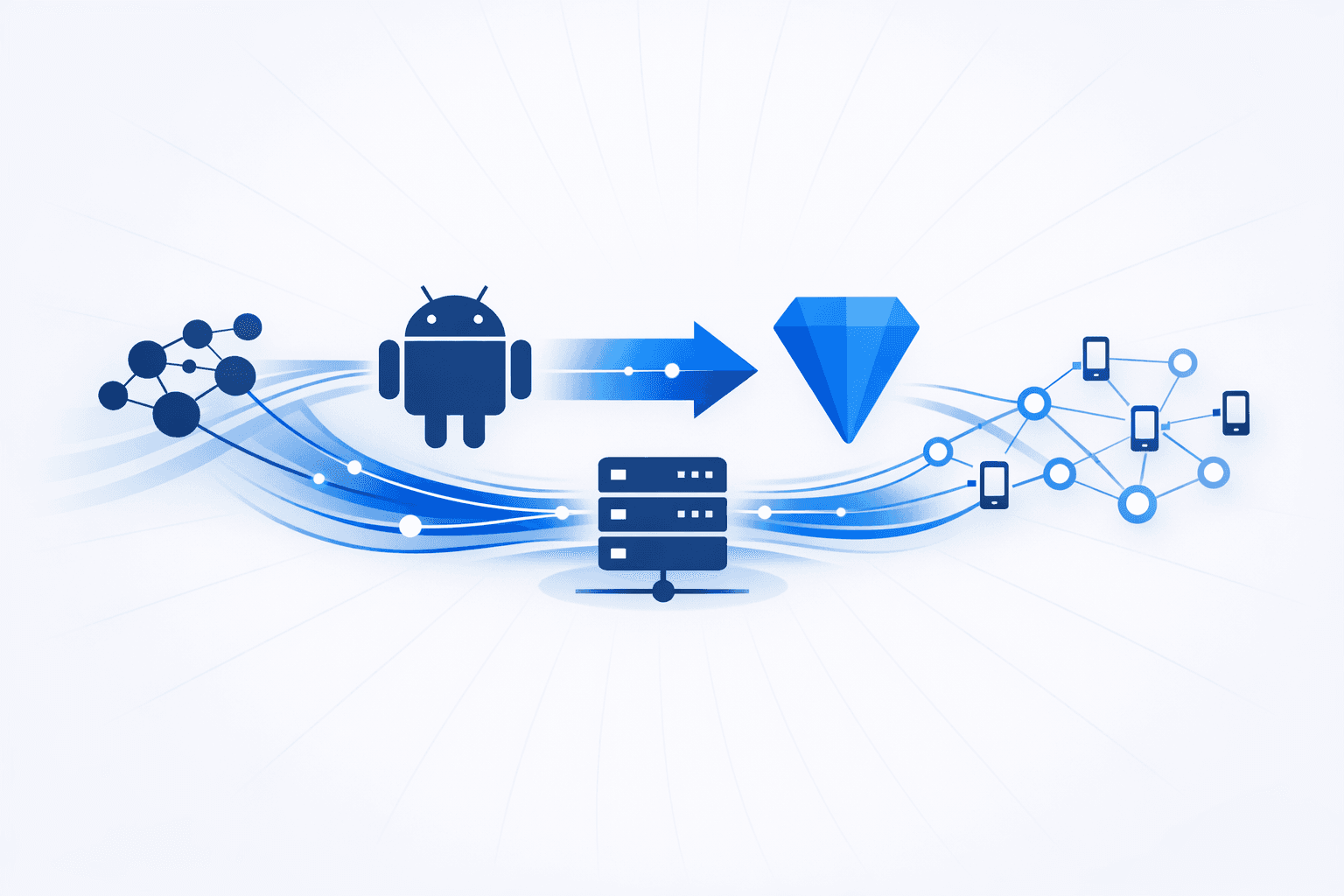
The most significant change is TrickMo’s migration of command-and-control traffic from conventional internet infrastructure to The Open Network (TON) using .adnl endpoints and an embedded local TON proxy, making tracing and takedowns more difficult. The malware also adds network-reconnaissance and tunneling functions that let attackers use compromised Android devices as programmable traffic-exit nodes, including support for SSH port forwarding and authenticated SOCKS5 proxying, alongside commands such as curl, DNS lookup, ping, traceroute, telnet, and HTTP probing. Researchers also found dormant components tied to the Pine hooking framework and declared NFC permissions, indicating preparation for future capabilities.

Why it matters

Impact assessment

TrickMo.C materially increases risk for Android users of banking, fintech, cryptocurrency wallet, and authenticator apps, with observed targeting in France, Italy, and Austria. Impact is high because the malware enables full device takeover, credential theft, OTP interception, fraud execution, and secondary abuse of infected phones as proxy and tunneling nodes.

The exposure is targeted by geography and lure theme rather than indiscriminate global exploitation, but the malware family is mature and actively replacing older TrickMo variants in live campaigns observed in January-February 2026. Researchers directly observed active campaigns in the wild, including fake TikTok and streaming-app lures promoted through social media and phishing sites.

Affected populations

  • Android users of banking, fintech, wallet, and authenticator applications
  • Banking and cryptocurrency customers in France, Italy, and Austria
  • Financial institutions, e-commerce platforms, and crypto exchanges exposed to fraud routed through victim devices
  • Enterprises whose employees use infected Android devices on corporate networks

Severity and business impact

  • Account takeover risk through phishing overlays, keylogging, SMS interception, and OTP suppression
  • Fraud risk increases because attacker traffic can originate from the victim device and IP space via SOCKS5 and SSH tunneling
  • Operational and investigative difficulty increases because C2 moved to TON using .adnl addressing, reducing effectiveness of conventional domain blocking and takedowns
  • Potential enterprise exposure extends beyond mobile fraud to internal network reconnaissance from infected devices connected to home or corporate networks

Scope and exploitation status

  • Active campaigns observed between January and February 2026
  • Targeting is region-specific and likely filtered server-side by victim geography
  • ThreatFabric assessed the variant is progressively replacing older TrickMo strains in operator campaigns
Hunt this familyPull IOCs and campaign context straight into your stack.
Get the IOCs
Event timeline

How this story unfolded

Events from the most recent confirmed update back to the earliest known activity.

6 events · Jan 1, 2019 – May 11, 2026
  1. May 11, 20267mo ago

    ThreatFabric identifies major 2026 TrickMo platform redesign

    ThreatFabric reported a new 2026 TrickMo variant, assessed as a major platform overhaul rather than a new malware family, while noting it retains core device-takeover capabilities such as accessibility abuse, phishing overlays, keylogging, screen streaming, SMS interception, and remote control. The researchers also observed dormant Pine hooking components and NFC-related permissions suggesting preparation for future features.

  2. Jan 1, 202611mo ago

    New TrickMo variant adds network pivoting and tunneling features

    The 2026 variant introduced reconnaissance and tunneling functions including DNS lookup, ping, traceroute, HTTP probing/curl, SSH tunneling and port forwarding, and authenticated SOCKS5 proxying. These additions allow infected Android devices to act as programmable traffic-exit nodes for fraud and evasion.

  3. Jan 1, 202611mo ago

    Operators shift TrickMo C2 to TON network

    In the 2026 campaign, TrickMo's operators migrated primary command-and-control communications from conventional internet infrastructure to The Open Network using .adnl endpoints and an embedded local TON proxy. This architectural change improved stealth and resilience against tracing and takedown.

  4. Jan 1, 202611mo ago

    New TrickMo campaigns target users in France, Italy, and Austria

    Between January and February 2026, operators ran campaigns using a new TrickMo variant against banking and cryptocurrency wallet users in France, Italy, and Austria. The malware was distributed via fake TikTok and streaming-themed Android apps, including a deceptive app named "Live Streaming," promoted through Facebook campaigns.

  5. Oct 1, 20242y ago

    Zimperium documents broad TrickMo variant ecosystem

    In October 2024, prior research by Zimperium reported 40 TrickMo variants delivered through 16 droppers and supported by 22 distinct command-and-control infrastructures, showing the malware's continued development before the 2026 redesign.

  6. Jan 1, 20198y ago

    TrickMo malware family first observed

    The TrickMo Android banking trojan was first seen in the wild in 2019, establishing the malware family later associated with banking credential theft and device takeover activity.

Linked entities

Related entities

Vulnerabilities, threat actors, malware, products, organizations, breaches, and observables Mallory has linked to this story. Indicator values are masked here and available in full in the app.

Open in app →

Malware

1 linked

Affected products

1 linked
Android

Observables

6 linked

Indicator values are masked on this page. See the values in Mallory Domains, IPs, hashes, and URLs are exportable to your SIEM.

Do you run this?Pull the IOCs, campaigns, and victimology behind this family, ready to push into your SIEM and EDR.
Hunt This Malware
Mallory platform

See the full picture, correlated to your attack surface.

This page covers what’s public. Mallory adds the parts that aren’t: which of your assets are affected, which threat actors are using it right now, and what to deploy next.

Exposure mappingMap indicators from this story to your assets and identify affected systems in minutes.
Threat actor evidenceEvery observed campaign, victim, and pivot linked to actors named in this story.
Associated malwareMalware, exploits, and IOCs connected to the activity described here.
Detection signaturesYARA, Sigma, and Snort rules deployed to your SIEM as soon as they’re published.
Scheduled alertsGet matching new stories delivered to your team as they break, not the next morning.
AI threadsAsk questions about this story and take action on the answers.