Mallory
← Back to News
ai-platform-securityendpoint-software-vulnerabilityextension-plugin-hijackwidely-deployed-product-advisory

Cursor Flaws Exposed Developers to Code Execution and Secret Theft

Emerging Technology Risk · 6 sources · Updated 5mo ago · First seen Apr 29, 2026
Cursor Flaws Exposed Developers to Code Execution and Secret Theft

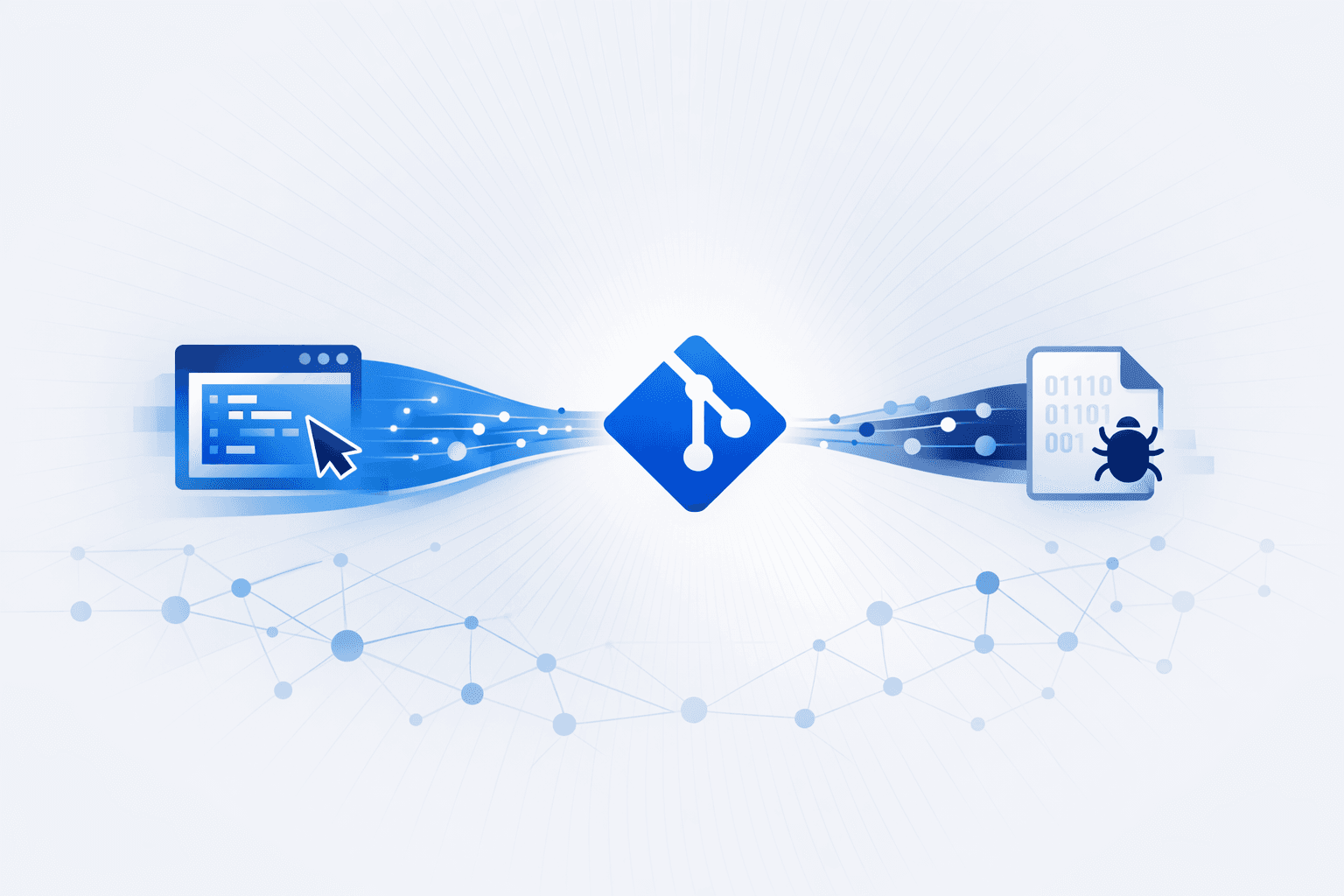
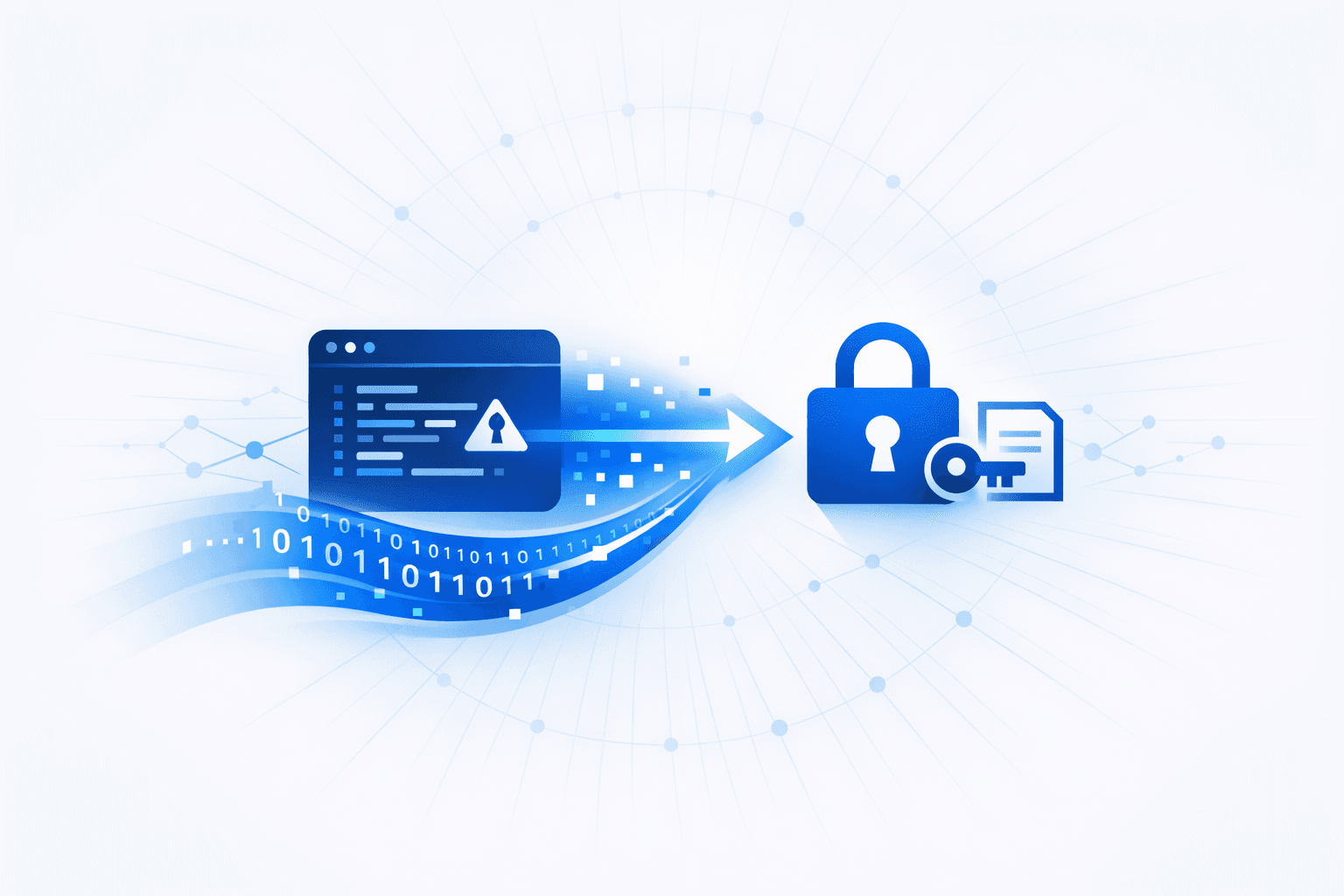
Researchers disclosed two separate high-severity security issues affecting the Cursor AI development environment, showing how developer workstations can be compromised through both malicious repositories and rogue extensions. Novee reported CVE-2026-26268 (CVSS 8.1), an arbitrary code execution flaw that can be triggered when a developer clones a crafted repository and Cursor’s AI agent performs routine Git actions such as checkout. The attack hides a malicious pre-commit hook inside a nested bare repository, allowing code to run locally without warning or additional user approval. Cursor worked with the researchers on a fix that was completed in February 2026, and defenders were urged to update to the patched version and inspect repositories for embedded bare directories and suspicious Cursor Rules files.

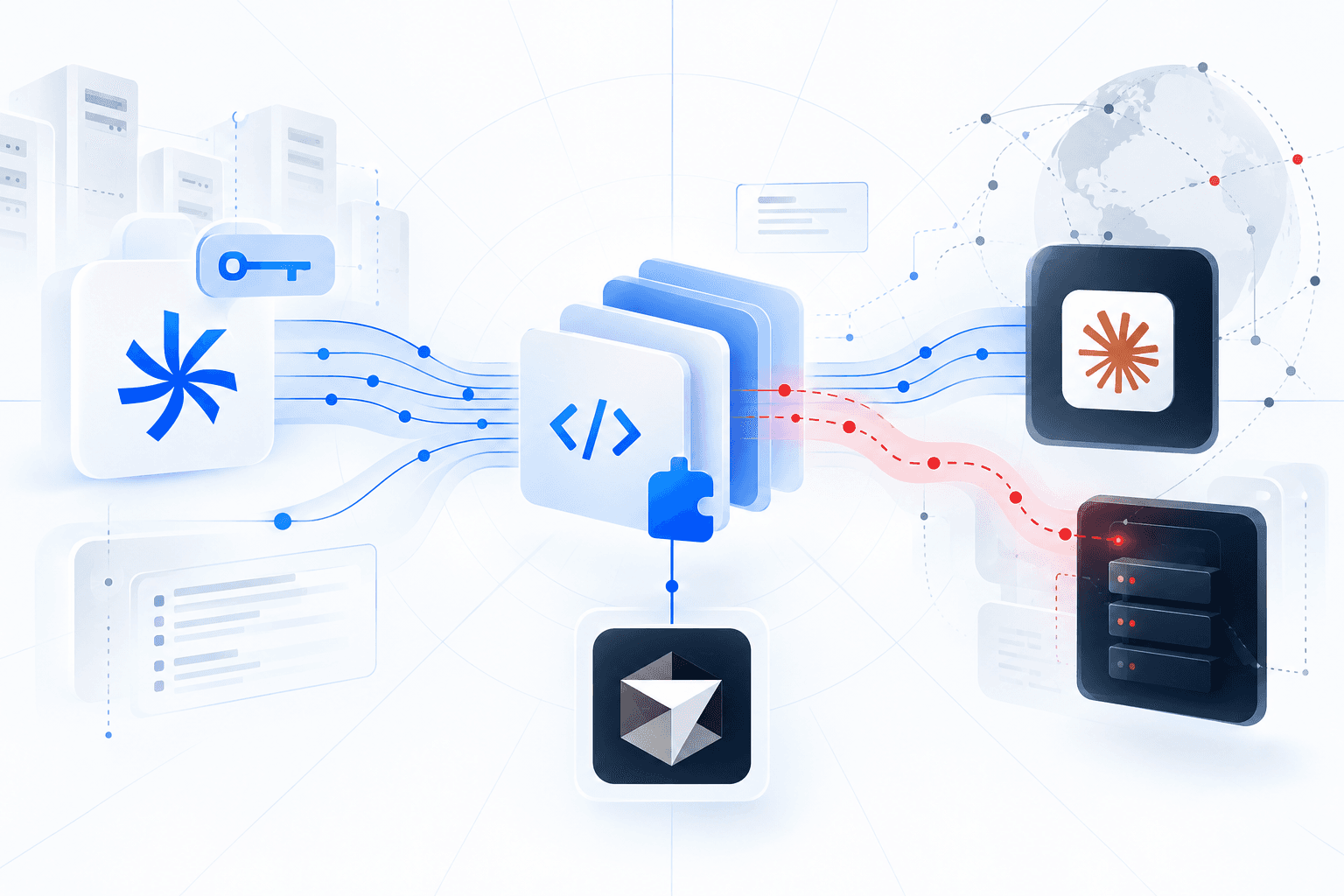
A separate LayerX report found that any installed Cursor extension could access API keys and session tokens stored in a local SQLite database because the product did not isolate extensions from that credential store or use protected OS-backed secret storage. A malicious or compromised extension could silently exfiltrate credentials for Cursor services and third-party integrations including OpenAI, Anthropic, and Google, enabling account takeover, impersonation, data theft, and financial abuse. As of the report’s publication, LayerX said the extension issue remained unpatched and recommended moving secrets into encrypted system keychains and enforcing stricter extension isolation.

Why it matters

Impact assessment

Two high-severity Cursor issues expose developer workstations to code execution and credential theft, creating direct risk for software vendors, enterprises with developer fleets, and any users of the Cursor AI development environment. The likely business impact includes workstation compromise, theft of source code and secrets, unauthorized use of third-party AI services, account takeover, and downstream intrusion into internal engineering infrastructure.

Summary

CVE-2026-26268 affects Cursor versions prior to 2.5 and enables arbitrary code execution when developers clone and open a crafted repository that the Cursor agent interacts with. A separate unpatched extension-isolation flaw, dubbed CursorJacking, allows any installed extension to read locally stored API keys and session tokens, expanding exposure to all Cursor users who install extensions.

Scope and severity

  • Affected population: Cursor users, especially developers, security engineers, and CI-adjacent engineering users handling source code and secrets.
  • Affected industries: Any sector using Cursor for software development; risk is highest in technology, SaaS, finance, healthcare, defense, and other environments where developer endpoints hold privileged access.
  • Severity:
    • CVE-2026-26268: CVSS 8.1, arbitrary code execution on local developer machines.
    • CursorJacking: CVSS 8.2, credential and session-token theft with potential account takeover and financial abuse.
  • Scope of exposure:
    • CVE-2026-26268 is a targeted but scalable repository-based attack path against users who clone untrusted code.
    • CursorJacking is broad exposure because any malicious or compromised extension can access the credential store.
  • Exploitation in the wild: The references describe proof-of-concept and researcher-demonstrated exploitation; no confirmed in-the-wild exploitation is stated.

Business consequences

  • Developer endpoint compromise can expose proprietary source code, internal tooling, access tokens, passwords, and cloud credentials.
  • Stolen API keys for OpenAI, Anthropic, and Google can enable unauthorized API consumption, data exposure, impersonation, and direct financial loss.
  • Compromise of developer systems can serve as an entry point for broader enterprise intrusion and supply-chain risk.

New surface, new adversariesTrack how attackers are adapting to this technology.
Track this risk
Event timeline

How this story unfolded

Events from the most recent confirmed update back to the earliest known activity.

6 events · Feb 1, 2026 – Apr 30, 2026
  1. Apr 30, 20267mo ago

    Google patches CVSS 10 Gemini CLI and GitHub Actions CI RCE flaw

    By April 30, 2026, Google had fixed a maximum-severity remote code execution vulnerability in Gemini CLI and the google-github-actions/run-gemini-cli workflow after Novee Security reported that untrusted workspace content could be treated as trusted configuration in headless CI environments. The changes required explicit workspace trust and hardened tool allowlisting in --yolo mode to reduce prompt-injection-driven command execution risks.

    Google Fixes CVSS 10 Gemini CLI CI RCE and Cursor Flaws Enable Code Execution
  2. Apr 28, 20267mo ago

    LayerX says Cursor extension credential-theft flaw remains unpatched

    As of April 28, 2026, LayerX reported that the Cursor vulnerability allowing rogue extensions to steal locally stored API keys and session tokens remained unpatched. The researchers recommended moving secrets into encrypted system keychains and enforcing strict extension isolation.

  3. Apr 28, 20267mo ago

    Novee publicly discloses CVE-2026-26268 in Cursor

    On April 28, 2026, Novee publicly disclosed the high-severity Cursor vulnerability CVE-2026-26268, describing how cloning a malicious repository could lead to code execution on a developer machine. The disclosure highlighted the risk posed by autonomous AI coding agents operating on untrusted code and urged organizations to audit AI coding assistants.

  4. Feb 28, 20269mo ago

    Cursor completes fix for CVE-2026-26268 Git-hook code execution flaw

    In February 2026, Cursor completed remediation for CVE-2026-26268 after coordinated disclosure with Novee. The flaw allowed arbitrary code execution when Cursor’s AI agent interacted with a malicious repository containing a hidden Git hook in a nested bare repository.

  5. Feb 5, 202610mo ago

    Cursor responds to LayerX on extension trust boundary issue

    On February 5, 2026, Cursor responded to LayerX’s report, stating that defining the trust boundary for extensions is the user’s responsibility. The response indicated the credential-access issue was not being treated as a product-side isolation failure.

  6. Feb 1, 202610mo ago

    LayerX reports Cursor extension credential-theft flaw to Cursor

    LayerX disclosed a high-severity vulnerability to Cursor on February 1, 2026, showing that any installed extension could access API keys and session tokens stored in Cursor’s local SQLite database. The issue stemmed from local credential storage without protected OS-backed storage or effective extension isolation.

Linked entities

Related entities

Vulnerabilities, threat actors, malware, products, organizations, and breaches Mallory has linked to this story.

Open in app →

Affected products

1 linked
Cursor

Organizations

1 linked
Cursor
Do you run this?Follow how adversaries are adapting to this technology, and where it touches your stack today.
Track This Risk
Mallory platform

See the full picture, correlated to your attack surface.

This page covers what’s public. Mallory adds the parts that aren’t: which of your assets are affected, which threat actors are using it right now, and what to deploy next.

Exposure mappingMap indicators from this story to your assets and identify affected systems in minutes.
Threat actor evidenceEvery observed campaign, victim, and pivot linked to actors named in this story.
Associated malwareMalware, exploits, and IOCs connected to the activity described here.
Detection signaturesYARA, Sigma, and Snort rules deployed to your SIEM as soon as they’re published.
Scheduled alertsGet matching new stories delivered to your team as they break, not the next morning.
AI threadsAsk questions about this story and take action on the answers.