Mallory
← Back to News
cryptocurrency-platform-riskextension-plugin-hijackcredential-stealer-activityidentity-impersonation-fraud

FakeWallet iOS Apps in Apple App Store Stole Cryptocurrency Seed Phrases

Emerging Technology Risk · 6 sources · Updated 5mo ago · First seen Apr 20, 2026

FakeWallet iOS Apps in Apple App Store Stole Cryptocurrency Seed Phrases

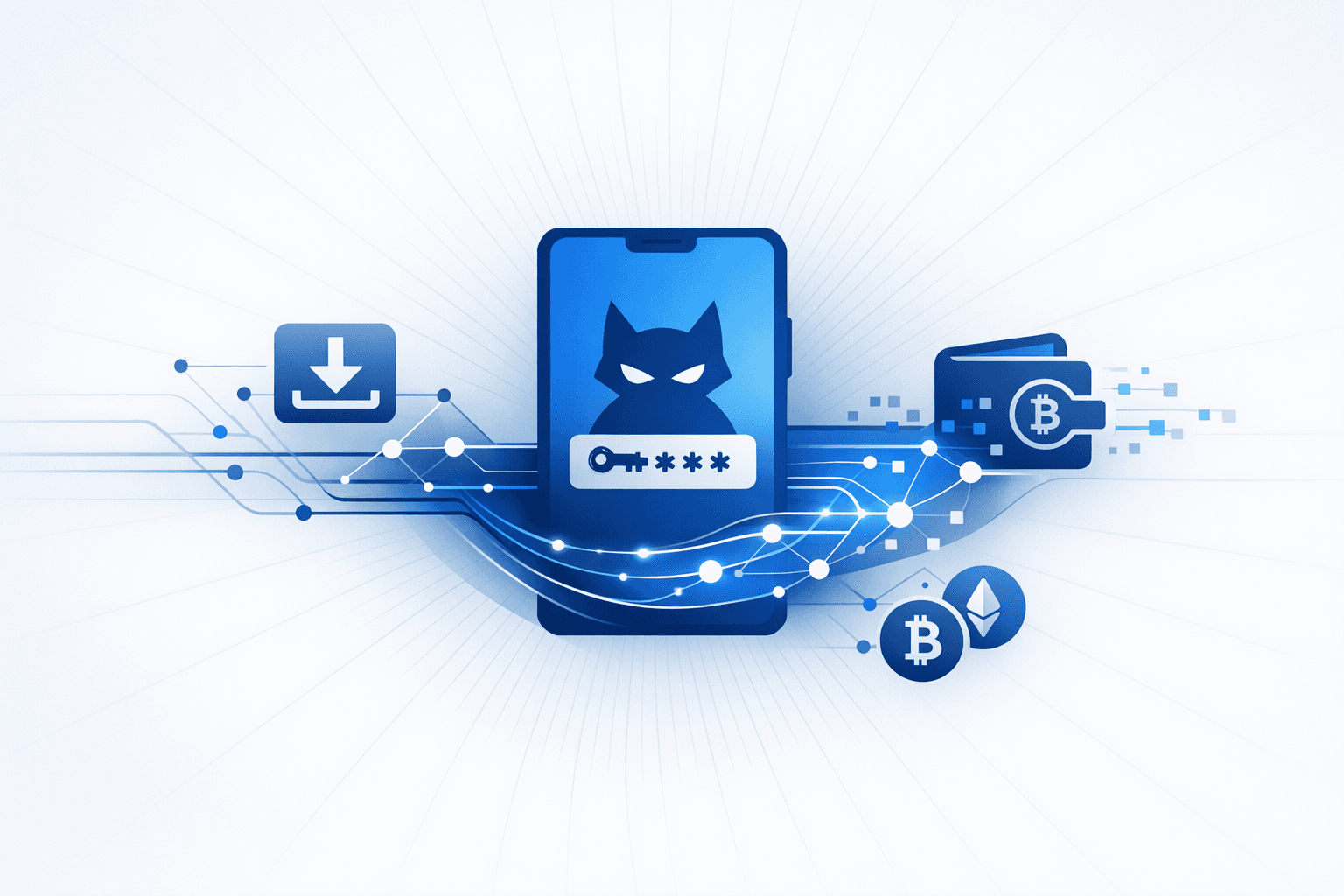
Researchers identified a FakeWallet campaign that placed at least 26 malicious iOS apps in Apple’s App Store, where they impersonated well-known cryptocurrency wallets including MetaMask, Ledger, Trust Wallet, Coinbase, TokenPocket, imToken, and Bitpie. The apps primarily targeted users in China, taking advantage of the fact that many legitimate crypto wallet apps were unavailable in the local App Store, and used typosquatting, fake branding, and phishing flows to redirect victims to browser-based credential theft pages or trojanized wallet installers. Investigators said the operation had likely been active since at least late 2025, and Apple was notified and removed several of the identified apps.

The malware used multiple techniques to steal wallet secrets from both hot-wallet and cold-wallet companion apps, including malicious dylib injection, executable hooking, provisioning profiles, and React Native code tampering. For hot wallets, the implants scraped mnemonic seed phrases and private keys directly from wallet interfaces; for Ledger-themed variants, the apps displayed convincing in-app prompts and fake verification pages to trick users into entering recovery phrases. Stolen data was RSA PKCS #1-encrypted, Base64-encoded, and sent to attacker-controlled servers, and researchers assessed the activity may be linked to the SparkKitty threat based on shared modules, Chinese-language artifacts, similar fake App Store-style distribution, and overlapping cryptocurrency theft objectives.

Why it matters

Impact assessment

FakeWallet is a high-impact mobile cryptocurrency theft campaign that abused Apple App Store trust to steal wallet seed phrases and private keys from iPhone users. The primary victims were cryptocurrency users with Apple accounts set to China, but the malware had no inherent geographic restriction and could be reused globally.

Successful compromise enables immediate wallet takeover, irreversible cryptocurrency theft, and follow-on fraudulent transactions because seed phrases allow wallet restoration without additional authentication. Apple removed the identified apps after disclosure, but the campaign was active since at least fall 2025 and included at least 26 malicious apps, indicating meaningful exposure before takedown.

Affected populations and products

  • iOS users downloading cryptocurrency wallet apps from Apple App Store, especially users with Apple ID region set to China
  • Wallet brands impersonated: MetaMask, Ledger, Trust Wallet, Coinbase, TokenPocket, imToken, Bitpie, and OneKey
  • Cold-wallet companion users, especially Ledger-themed victims, were targeted through fake verification prompts
  • Additional benign-looking lure apps included games, calculators, and task planners

Severity and business risk

  • Direct financial loss through theft of cryptocurrency assets
  • Near-zero recovery likelihood once seed phrases are stolen and wallets are restored by attackers
  • Reputational risk for wallet vendors and platform trust erosion for Apple App Store users
  • Potential operational burden for exchanges, wallet providers, fraud teams, and customer support organizations handling account compromise reports

Scope and exploitation status

  • At least 26 malicious iOS apps were identified in Apple App Store
  • Campaign likely active since at least late 2025
  • Primary targeting focused on China due to local App Store availability gaps for legitimate wallet apps
  • Researchers explicitly warned the tooling could be used against victims globally
  • Exploitation in the wild is confirmed through active malicious App Store distribution and theft-oriented functionality
  • Related reporting cited a prior illicit Ledger Live App Store incident tied to $9.5 million in theft from 50 macOS users, underscoring real-world monetization risk from wallet impersonation

New surface, new adversariesTrack how attackers are adapting to this technology.
Track this risk
Event timeline

How this story unfolded

Events from the most recent confirmed update back to the earliest known activity.

5 events · May 1, 2021 – Mar 1, 2026
  1. Mar 1, 20269mo ago

    Apple is notified and removes several malicious App Store apps

    After identifying the malicious applications, researchers reported them to Apple. Several of the FakeWallet apps were subsequently removed from the App Store.

  2. Mar 1, 20269mo ago

    Researchers link FakeWallet activity to SparkKitty malware

    During their analysis of the campaign, researchers found overlap with SparkKitty modules and assessed that the threat actor may be linked to SparkKitty based on shared targeting, Chinese-language artifacts, and similar fake App Store-style distribution methods. They also observed related Android samples distributed through phishing sites.

  3. Mar 1, 20269mo ago

    Researchers uncover 26 FakeWallet phishing apps in Apple's App Store

    In March 2026, researchers identified a large iOS-focused FakeWallet campaign involving more than twenty phishing apps, including 26 apps impersonating wallets such as MetaMask, Ledger, Trust Wallet, Coinbase, TokenPocket, imToken, and Bitpie. The apps redirected users to phishing pages or trojanized wallet installers designed to steal seed phrases and private keys.

  4. Sep 1, 20251y ago

    FakeWallet campaign begins operating by fall 2025

    Researchers assessed that the FakeWallet cryptocurrency-stealing campaign had been active since at least fall 2025. The operation used fake wallet branding and App Store-style distribution to target cryptocurrency users, primarily in China.

  5. May 1, 20216y ago

    ESET traces trojanized wallet theft campaign back to May 2021

    ESET reported a cryptocurrency-stealing campaign targeting Android and iPhone users via trojanized wallet apps and fake wallet websites, primarily aimed at Chinese users. The company said the activity dated back to at least May 2021 and involved impersonation of major wallet brands, malicious code inserted into otherwise functional apps, and broad distribution through fake sites, social media, and messaging channels.

    ESET Research discovers scheme to steal cryptocurrency from Android and iPhone users | | ESET
Linked entities

Related entities

Vulnerabilities, threat actors, malware, products, organizations, breaches, and observables Mallory has linked to this story. Indicator values are masked here and available in full in the app.

Open in app →

Malware

1 linked

Affected products

3 linked
MetamaskLedger LiveTrust Wallet

Organizations

8 linked
BitpieCoinbaseOnekeyMetamaskTrust WalletTokenPocketLedgerimToken

Observables

74 linked

Indicator values are masked on this page. View all 74 in Mallory Domains, IPs, hashes, and URLs are exportable to your SIEM.

Do you run this?Follow how adversaries are adapting to this technology, and where it touches your stack today.
Track This Risk
Mallory platform

See the full picture, correlated to your attack surface.

This page covers what’s public. Mallory adds the parts that aren’t: which of your assets are affected, which threat actors are using it right now, and what to deploy next.

Exposure mappingMap indicators from this story to your assets and identify affected systems in minutes.
Threat actor evidenceEvery observed campaign, victim, and pivot linked to actors named in this story.
Associated malwareMalware, exploits, and IOCs connected to the activity described here.
Detection signaturesYARA, Sigma, and Snort rules deployed to your SIEM as soon as they’re published.
Scheduled alertsGet matching new stories delivered to your team as they break, not the next morning.
AI threadsAsk questions about this story and take action on the answers.