Mallory
← Back to News
cryptocurrency-platform-riskstate-sponsored-espionagephishing-campaign-intelligenceremote-access-implant

North Korean Lazarus Campaign Used Trojanized Crypto Apps to Steal Digital Assets

Emerging Technology Risk · 10 sources · Updated 5mo ago · First seen Apr 17, 2026
North Korean Lazarus Campaign Used Trojanized Crypto Apps to Steal Digital Assets

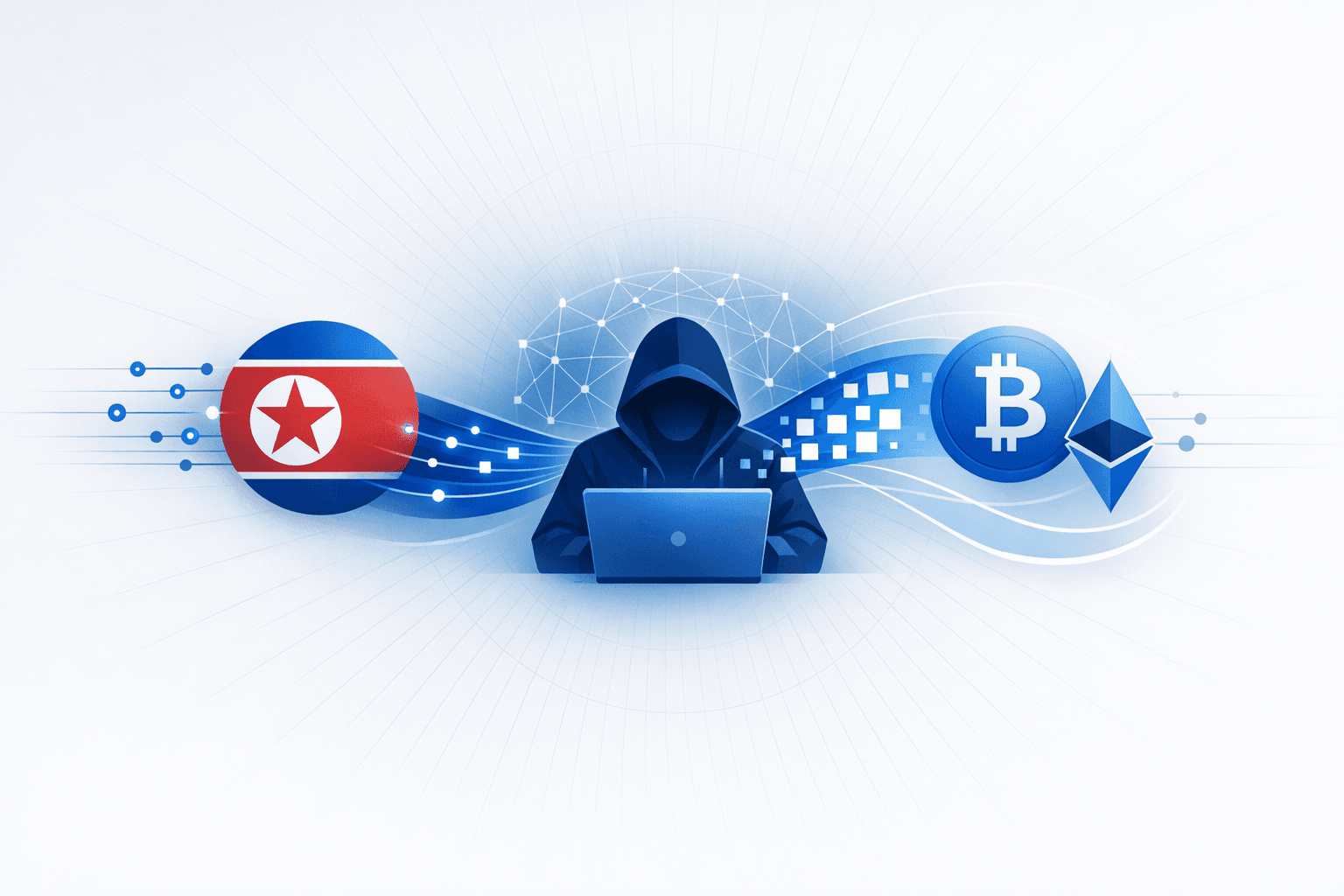
U.S. agencies and security researchers linked North Korea’s Lazarus Group—also tracked as APT38, BlueNoroff, Stardust Chollima, and HIDDEN COBRA—to a long-running campaign targeting cryptocurrency exchanges, DeFi platforms, trading firms, venture capital funds, gaming companies, and high-value holders. The operation used spearphishing, fake job offers, fraudulent trading firms, social networking, and even fake Telegram groups to lure victims into downloading trojanized cryptocurrency trading and wallet applications on Windows and macOS, with activity reported across more than 30 countries. Researchers described later activity as an evolution of the earlier AppleJeus campaign, while U.S. agencies said the broader effort continued under the TraderTraitor cluster.

The malicious apps—including Celas Trade Pro, JMT Trading, Union Crypto, Kupay Wallet, CoinGoTrade, Dorusio, Ants2Whale, DAFOM, TokenAIS, CryptAIS, AlticGO, Esilet, and CreAI Deck—appeared legitimate but installed hidden updater components, persistence mechanisms, and remote-access payloads such as Manuscrypt variants. Analysis of Union Crypto showed the malware collecting host details, installing services or LaunchDaemons, contacting command-and-control infrastructure, downloading second-stage payloads, and enabling file operations, screenshots, command execution, lateral movement, theft of private keys, and fraudulent blockchain transactions. U.S. authorities said the campaign supports North Korea’s sanctions evasion and revenue generation, and warned that cryptocurrency and blockchain firms remain likely targets.

Why it matters

Impact assessment

This campaign targets cryptocurrency exchanges, DeFi platforms, trading firms, venture capital funds, gaming companies, financial services firms, and high-value individual cryptocurrency or NFT holders on Windows and macOS. Impact is severe because the malware enables theft of private keys, fraudulent blockchain transactions, lateral movement, and broader compromise of enterprise endpoints, directly translating to financial loss and operational disruption.

The scope is broad rather than isolated: U.S. agencies reported targeting across more than 30 countries and activity dating back to at least 2018, with continued operations since at least 2020 under the TraderTraitor cluster. Exploitation in the wild is established; this is not a theoretical risk but an active North Korean state-sponsored campaign tied to sanctions evasion and regime revenue generation.

Affected entities

  • Cryptocurrency exchanges
  • DeFi protocols and blockchain firms
  • Play-to-earn and gaming companies
  • Cryptocurrency trading companies
  • Venture capital funds investing in cryptocurrency
  • Financial services firms
  • High-value individual holders of cryptocurrency or NFTs
  • Additional sectors cited in AppleJeus reporting: energy, finance, government, industry, technology, and telecommunications

Severity and business consequences

  • Direct theft of cryptocurrency and wallet material
  • Fraudulent blockchain transactions initiated from compromised environments
  • Endpoint compromise on employee workstations
  • Potential lateral movement inside enterprise networks
  • Reputational damage for firms handling customer assets
  • Regulatory and incident-reporting exposure for financial and crypto businesses

Scope and observed activity

  • Activity linked to Lazarus Group, also tracked as APT38, BlueNoroff, Stardust Chollima, and HIDDEN COBRA
  • Campaigns observed across more than 30 countries
  • AppleJeus activity documented since at least 2018
  • TraderTraitor targeting documented since at least 2020
  • U.S. agencies assess continued targeting is likely
New surface, new adversariesTrack how attackers are adapting to this technology.
Track this risk
Event timeline

How this story unfolded

Events from the most recent confirmed update back to the earliest known activity.

8 events · Aug 23, 2018 – Apr 18, 2022
  1. Apr 18, 20225y ago

    U.S. agencies issue TraderTraitor advisory with IOCs and mitigations

    The FBI, CISA, and the U.S. Treasury issued a joint advisory on TraderTraitor, attributing the campaign to North Korean state-sponsored actors tracked as Lazarus Group, APT38, BlueNoroff, and Stardust Chollima. The advisory detailed fake job-offer lures, trojanized apps such as DAFOM and TokenAIS, associated indicators of compromise, and recommended mitigations.

  2. Apr 15, 20216y ago

    U.S. agencies issue joint AppleJeus advisory

    The FBI, CISA, and the U.S. Treasury issued a joint advisory attributing the AppleJeus malware campaign to North Korea's Lazarus Group/HIDDEN COBRA and warning that trojanized cryptocurrency applications had targeted victims in more than 30 countries.

  3. Feb 17, 20216y ago

    FBI, CISA, and Treasury publish AppleJeus malware analyses

    The FBI, CISA, and the U.S. Treasury released malware analysis reports covering multiple AppleJeus variants, including Celas Trade Pro, JMT Trading, Union Crypto, Dorusio, and Ants2Whale, documenting technical behaviors and infrastructure used to steal cryptocurrency.

  4. Jul 16, 20206y ago

    ESET reports rebranded macOS trading app carrying AppleJeus malware

    ESET disclosed that Lazarus-linked AppleJeus activity included a rebranded macOS cryptocurrency trading application bundled with malware. The report added technical detail on how trojanized trading software was being adapted and repackaged to target cryptocurrency users on macOS.

    Mac cryptocurrency trading application rebranded, bundled with malware
  5. Jan 9, 20207y ago

    Kaspersky reports 'Operation AppleJeus Sequel' using Telegram lures

    Kaspersky reported that Lazarus had evolved its cryptocurrency theft activity through 2019 into 'Operation AppleJeus Sequel,' using fake trading firms, fraudulent websites, and Telegram groups to trick victims into downloading malware. Confirmed victims included cryptocurrency businesses in the UK, Poland, Russia, and China.

  6. Dec 3, 20197y ago

    Union Crypto AppleJeus variant discovered

    A version of the AppleJeus malware family using the trojanized Union Crypto trading application was discovered in December 2019, with hidden updater components enabling persistence, host profiling, and second-stage payload delivery on Windows and macOS.

  7. Aug 23, 20188y ago

    AppleJeus campaign first uncovered targeting cryptocurrency users

    The AppleJeus malware campaign, attributed to North Korea's Lazarus Group, was first uncovered in 2018 using trojanized cryptocurrency trading and wallet applications to steal cryptocurrency from victims.

  8. Date unknown

    North Korean actors begin TraderTraitor targeting blockchain sector

    U.S. agencies later assessed that North Korean state-sponsored actors began targeting cryptocurrency and blockchain organizations with the TraderTraitor campaign by at least 2020, using spearphishing and fake job offers tied to trojanized trading and portfolio applications.

Linked entities

Related entities

Vulnerabilities, threat actors, malware, products, organizations, breaches, and observables Mallory has linked to this story. Indicator values are masked here and available in full in the app.

Open in app →

Threat actors

1 linked

Organizations

1 linked
UnionCrypto Corporation

Observables

173 linked

Indicator values are masked on this page. View all 173 in Mallory Domains, IPs, hashes, and URLs are exportable to your SIEM.

Do you run this?Follow how adversaries are adapting to this technology, and where it touches your stack today.
Track This Risk
Mallory platform

See the full picture, correlated to your attack surface.

This page covers what’s public. Mallory adds the parts that aren’t: which of your assets are affected, which threat actors are using it right now, and what to deploy next.

Exposure mappingMap indicators from this story to your assets and identify affected systems in minutes.
Threat actor evidenceEvery observed campaign, victim, and pivot linked to actors named in this story.
Associated malwareMalware, exploits, and IOCs connected to the activity described here.
Detection signaturesYARA, Sigma, and Snort rules deployed to your SIEM as soon as they’re published.
Scheduled alertsGet matching new stories delivered to your team as they break, not the next morning.
AI threadsAsk questions about this story and take action on the answers.