Mallory
← Back to News
state-sponsored-espionageembedded-device-vulnerabilitycommand-and-control-methodgovernment-diplomatic-threat

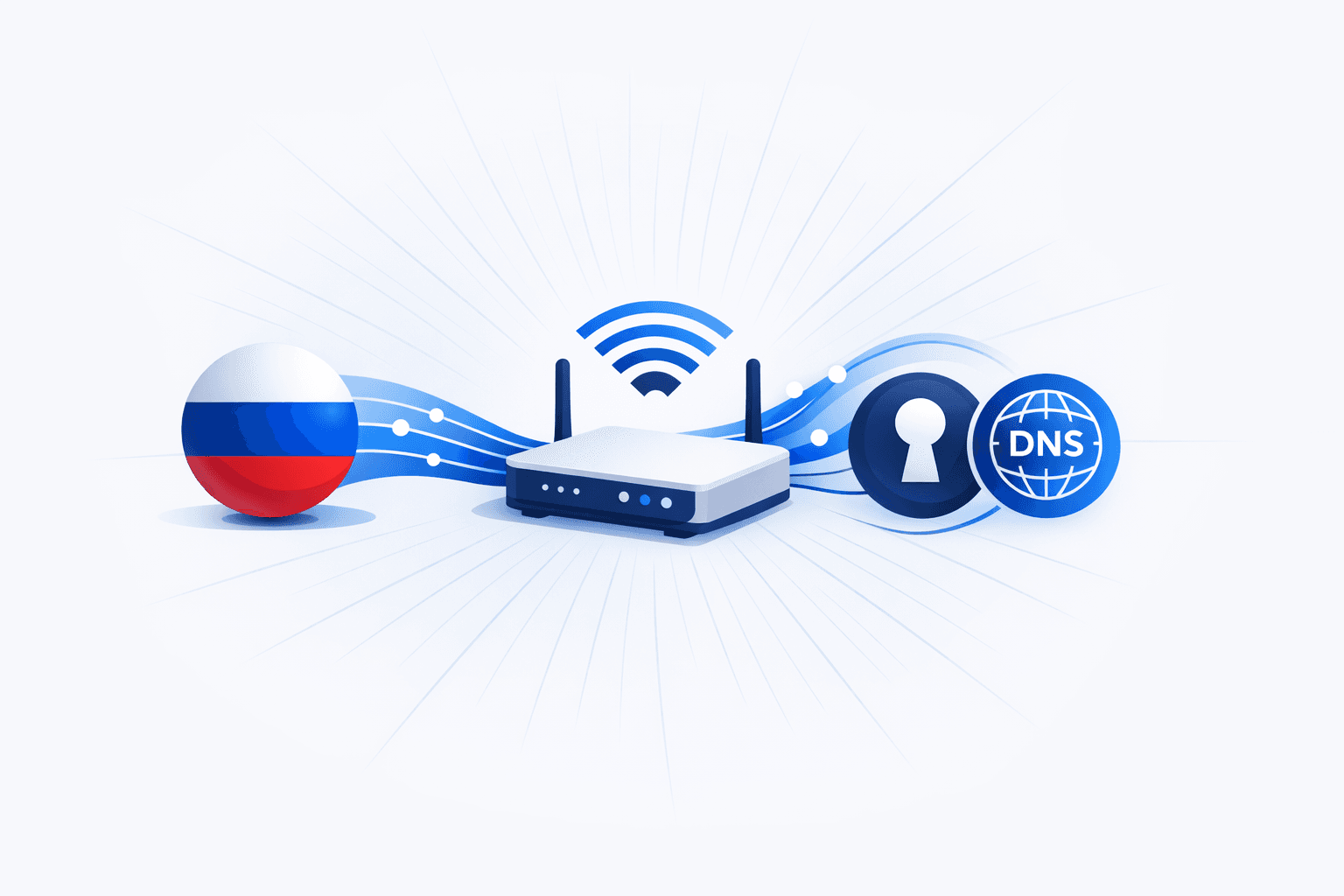
Forest Blizzard Hijacks SOHO Router DNS to Enable Adversary-in-the-Middle Attacks

Threat Actor Intelligence · 30 sources · Updated 4mo ago · First seen Apr 7, 2026

Forest Blizzard Hijacks SOHO Router DNS to Enable Adversary-in-the-Middle Attacks

Microsoft said the Russian military-linked threat actor Forest Blizzard (APT28/Strontium) has compromised vulnerable home and small-office routers since at least August 2025, changing DNS settings to route traffic through attacker-controlled resolvers. The campaign affected more than 200 organizations and 5,000 consumer devices across government, IT, telecommunications, and energy, turning edge devices into covert infrastructure and giving the actor passive visibility into victims’ DNS traffic.

For selected high-value targets, the operation escalated into adversary-in-the-middle attacks in which spoofed DNS responses redirected users to systems presenting invalid TLS certificates for legitimate services, including Microsoft Outlook on the web and government servers. Microsoft said confirmed AiTM activity included non-Microsoft government targets in at least three African countries, while stressing that no Microsoft-owned assets or services were compromised; the company urged defenders to patch and harden routers, replace default credentials, audit DNS settings, and train users not to bypass certificate warnings.

Why it matters

Impact assessment

This campaign affects organizations and individuals that rely on vulnerable SOHO edge devices, especially TP-Link and MikroTik routers used in homes, small offices, and remote-work environments. Impact is high because the actor gained passive visibility into DNS traffic at scale and selectively escalated to adversary-in-the-middle interception of credentials, OAuth tokens, emails, and other sensitive content tied to government, military, critical infrastructure, IT, telecommunications, and energy targets.

The scope was broad and opportunistic in initial access, with more than 200 organizations, 5,000 consumer devices, and roughly 18,000 compromised routers observed across more than 120 countries at peak activity. Exploitation in the wild is confirmed by Microsoft, Lumen Black Lotus Labs, the UK NCSC, the FBI, DOJ, and partner governments, and U.S. authorities conducted Operation Masquerade to disrupt the U.S. portion of the infrastructure.

Supporting facts

  • Threat actor: Forest Blizzard, also known as APT28, Fancy Bear, Strontium, Sofacy, Sednit, Pawn Storm; attributed to Russia GRU Military Unit 26165 / 85th GTsSS.
  • Affected populations: home users, small offices, remote workers, and organizations with users behind compromised routers.
  • Affected sectors: government, military, critical infrastructure, IT, telecommunications, energy, foreign affairs, law enforcement, and third-party email/cloud providers.
  • Confirmed scale:
    • More than 200 organizations affected.
    • More than 5,000 consumer devices affected.
    • More than 18,000 routers compromised at peak; some reporting estimates 18,000 to 40,000.
    • Activity observed across at least 120 countries.
    • Routers in more than 23 U.S. states were remediated or identified in the U.S. action.
  • Confirmed victim geography includes North Africa, Central America, Southeast Asia, Europe, Ukraine-linked MikroTik targeting, and at least three African government organizations.
  • Business impact:
    • Credential and token theft can enable account takeover even after MFA if OAuth/session material is stolen.
    • Email and browsing interception creates espionage, regulatory, reputational, and operational risk.
    • Edge-device compromise is difficult to detect because the campaign often used built-in router functionality rather than endpoint malware.
  • Microsoft stated no Microsoft-owned assets or services were compromised.

Know this adversaryTTPs, infrastructure, and targeting history in one profile.
Get the profile
Event timeline

How this story unfolded

Events from the most recent confirmed update back to the earliest known activity.

11 events · Jan 1, 2024 – Apr 15, 2026
  1. Apr 15, 20268mo ago

    FBI, NSA, and 15-country partners issue router security guidance

    Following the disruption of the GRU-linked router botnet, the FBI, NSA, and partners from 15 countries issued a public service announcement urging users to replace unsupported routers, update firmware, verify DNS settings, disable internet-exposed remote management, and change default credentials. The guidance was aimed at reducing continued risk from compromised SOHO routers used in the APT28/Forest Blizzard espionage campaign.

    FBI urges router owners to update firmware after Russian GRU hack | Fox Business
  2. Apr 8, 20268mo ago

    Germany's BfV warns APT28 compromised routers in Germany

    On April 8, 2026, Germany's Federal Office for the Protection of the Constitution, together with BND and the FBI, warned that APT28 had compromised vulnerable TP-Link routers for espionage. The agency said several thousand routers were targeted worldwide, including about 30 vulnerable devices in Germany, and confirmed some compromises that led operators to replace affected routers.

    teiss - News - Germany intelligence agency warns of Russian APT28 cyber spying
  3. Apr 8, 20268mo ago

    UK NCSC discloses two APT28 router-based credential theft campaigns

    The UK National Cyber Security Centre warned of two Russian-linked APT28/Forest Blizzard campaigns abusing compromised SOHO routers for DNS hijacking and adversary-in-the-middle credential theft. It said one cluster altered DHCP DNS settings while another used compromised MikroTik and TP-Link routers to forward DNS traffic through actor-controlled infrastructure, including activity focused on MikroTik routers in Ukraine.

    NCSC issues alert over Russian hacker campaign targeting SOHO routers | IT Pro
  4. Apr 7, 20268mo ago

    FBI resets malicious DNS settings on compromised TP-Link routers

    As part of Operation Masquerade, the FBI carried out a court-authorized technical operation against the U.S. portion of the APT28/Forest Blizzard router network, resetting malicious DNS settings on compromised TP-Link SOHO routers to legitimate ISP resolvers and blocking the attackers’ original access method. The DOJ said affected routers were located in more than 23 U.S. states and that the action was designed not to disrupt normal router functionality or collect users’ content.

    Office of Public Affairs | Justice Department Conducts Court-Authorized Disruption of DNS Hijacking Network Controlled by a Russian Military Intelligence Unit | United States Department of Justice
  5. Apr 7, 20268mo ago

    DOJ, FBI, and partners disrupt APT28 malicious infrastructure

    A joint operation involving the U.S. Department of Justice, the FBI, and international partners disrupted the malicious infrastructure used in the APT28/Forest Blizzard DNS hijacking campaign. The action targeted infrastructure supporting the compromise of SOHO routers and downstream espionage activity.

    Russian State-Linked APT28 Exploits SOHO Routers in Global DNS Hijacking Campaign
  6. Apr 7, 20268mo ago

    Microsoft publicly discloses the campaign and attribution

    On April 7, 2026, Microsoft Threat Intelligence publicly reported the campaign, attributing it to Forest Blizzard, a Russian military-linked threat actor also known as APT28 or Strontium. Microsoft said it was the first observed instance of the group using DNS hijacking at scale to support TLS AiTM operations after edge-device exploitation and noted no Microsoft-owned assets or services were compromised.

  7. Apr 7, 20268mo ago

    Forest Blizzard conducts selective AiTM attacks via spoofed DNS responses

    In selected cases, the actor escalated from passive DNS collection to adversary-in-the-middle attacks by spoofing DNS responses for Outlook on the web and certain government servers, including activity affecting targets in at least three African nations. Victims were presented invalid TLS certificates, allowing interception of plaintext traffic if certificate warnings were ignored.

  8. Apr 7, 20268mo ago

    DNS hijacking campaign affects thousands of devices and hundreds of organizations

    Over the course of the campaign, the router compromises led to DNS hijacking impacting more than 200 organizations and 5,000 consumer devices across government, IT, telecommunications, and energy sectors. Microsoft said this represented large-scale abuse of edge devices for downstream victim visibility.

  9. Dec 1, 20251y ago

    FrostArmada peaks with 18,000 infected routers across 120 countries

    At its peak in December 2025, the APT28-attributed FrostArmada campaign had compromised about 18,000 MikroTik and TP-Link SOHO routers in 120 countries. The operation primarily targeted government agencies, law enforcement organizations, and IT providers by altering DNS settings to enable adversary-in-the-middle credential and token theft.

    FrostArmada campaign disrupted: APT28 router hijacking operation halted | brief | SC Media
  10. Aug 1, 20251y ago

    Forest Blizzard begins exploiting vulnerable SOHO routers

    Since at least August 2025, Microsoft assessed that Forest Blizzard began compromising vulnerable home and small-office routers and changing their DNS settings to actor-controlled resolvers. The activity turned the devices into covert malicious infrastructure for intelligence collection.

  11. Jan 1, 20243y ago

    APT28 begins router campaign exploiting TP-Link flaw CVE-2023-50224

    The IC3 advisory says Russian GRU actors behind APT28/Forest Blizzard had been exploiting vulnerable SOHO routers worldwide since at least 2024, including TP-Link devices vulnerable to CVE-2023-50224. The compromises enabled changes to DHCP and DNS settings that supported later DNS hijacking and adversary-in-the-middle operations.

    Internet Crime Complaint Center (IC3) | Russian GRU Exploiting Vulnerable Routers to Steal Sensitive Information
Linked entities

Related entities

Vulnerabilities, threat actors, malware, products, organizations, and breaches Mallory has linked to this story.

Open in app →

Threat actors

1 linked

Organizations

2 linked
TP-LinkMikrotik
Do you run this?See this adversary's TTPs, infrastructure, and targeting history, correlated against your exposure.
Get the Full Actor Profile
Mallory platform

See the full picture, correlated to your attack surface.

This page covers what’s public. Mallory adds the parts that aren’t: which of your assets are affected, which threat actors are using it right now, and what to deploy next.

Exposure mappingMap indicators from this story to your assets and identify affected systems in minutes.
Threat actor evidenceEvery observed campaign, victim, and pivot linked to actors named in this story.
Associated malwareMalware, exploits, and IOCs connected to the activity described here.
Detection signaturesYARA, Sigma, and Snort rules deployed to your SIEM as soon as they’re published.
Scheduled alertsGet matching new stories delivered to your team as they break, not the next morning.
AI threadsAsk questions about this story and take action on the answers.