Europe Warns of Rising Threats to Energy Grids and Undersea Infrastructure
Sector Threat Intelligence · 2 sources · Updated 5mo ago · First seen Mar 31, 2026
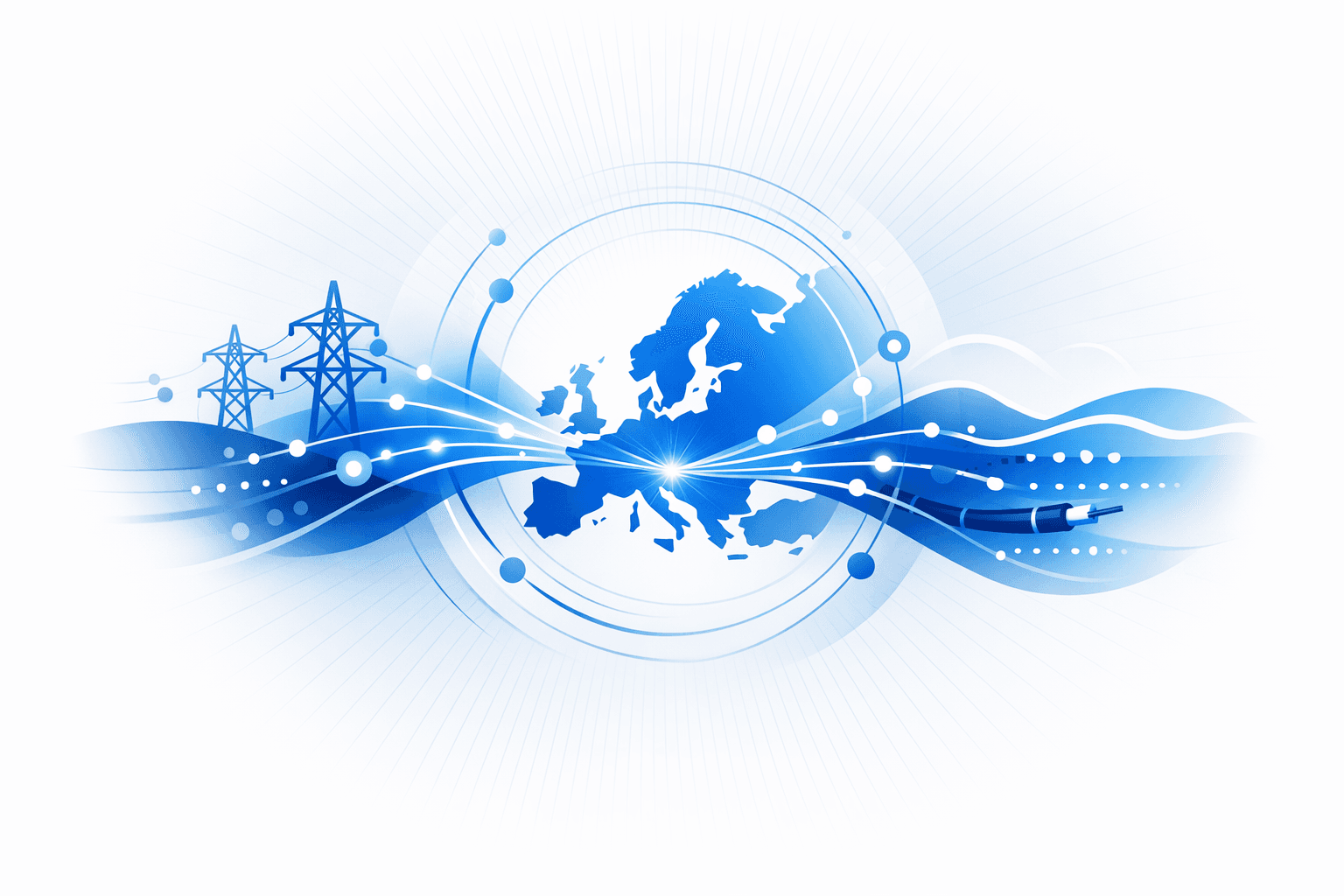
European officials and industry reporting have highlighted a widening threat to critical infrastructure as cyber risks to electricity networks grow alongside military monitoring of subsea assets. An International Energy Agency assessment cited in Spanish reporting said cyberattacks on critical energy infrastructure rose 30% in 2023 to 420 million globally, while attacks on energy service companies have quadrupled since 2020. Recent incidents include the 2022 satellite communications disruption that knocked 5,800 wind turbines offline in Germany and breaches affecting more than 20 Danish energy companies. Authorities have also warned that compromised smart meters, solar inverters, and battery systems could be used to destabilize grid frequency or trigger broader outages.
The concern extends beyond direct hacking to supply-chain and geopolitical exposure tied to digitally connected clean-energy equipment and other strategic infrastructure. European and U.S. authorities reviewed communications modules in imported solar and battery systems, while Lithuania moved to block remote access by Chinese suppliers to solar, wind, and storage control platforms. Separately, the UK said British and Norwegian forces carried out a month-long operation to track a Russian attack submarine and two GUGI-linked spy submarines near North Atlantic cables and pipelines, underscoring fears that hostile states could target the seabed networks that carry 99% of international telecommunications traffic and support a major share of regional energy supplies.
Why it matters
Impact assessment
European energy operators, grid managers, renewable-energy asset owners, and telecom-dependent critical infrastructure are affected by this risk picture. The potential impact is severe: operational disruption to electricity generation and distribution, forced isolation of energy networks, possible large-scale outages from compromised edge devices, and strategic disruption to communications and trade if undersea infrastructure is targeted.
The exposure is broad rather than limited to a single vendor or campaign. Reporting cites a 30% rise in attacks on critical energy infrastructure to 420 million globally in 2023, quadrupled attacks on energy service companies since 2020, prior real-world disruption affecting 5,800 wind turbines in Germany, and breaches at more than 20 Danish energy companies; however, this story does not provide evidence of current destructive cyber exploitation against UK undersea infrastructure.
Supporting facts
- Affected sectors: electricity grids, energy service companies, wind and solar operators, battery/storage operators, telecommunications, gas pipeline operators.
- User populations at risk: European utilities, industrial operators, households dependent on grid power and gas heating, enterprises reliant on subsea telecom links.
- Reported consequences include:
- Loss of monitoring and remote control of 5,800 wind turbines in Germany during the February 2022 satellite communications disruption.
- Selective disconnections and network isolation at more than 20 Danish energy companies to prevent wider contagion.
- Potential grid-frequency destabilization if less than 2% of electrical load is hijacked through compromised smart meters.
- Strategic exposure:
- Undersea pipelines supply half of the gas used to heat British homes.
- Undersea infrastructure carries 99% of international telecommunications and data traffic and supports trillions of pounds in daily trade.
- Scope indicators:
- Around 200 GW of installed photovoltaic capacity in Europe is connected to Chinese-manufactured inverters.
- About 75% of all new inverters come from China.
- Known incidents in the wild:
- February 2022 satellite disruption in Europe.
- Security breaches affecting more than 20 Danish energy companies.
- No evidence of damage to UK cables or pipelines was reported in the military monitoring operation.
- Named entities:
- International Energy Agency (IEA)
- United Kingdom
- Norway
- Lithuania
- Russia
- GUGI (Russia’s Main Directorate of Deep-Sea Research)
- John Healey