Iranian-Linked Actors Exploit Internet-Facing Rockwell PLCs in US Critical Infrastructure
Sector Threat Intelligence · 35 sources · Updated 4mo ago · First seen Mar 21, 2026
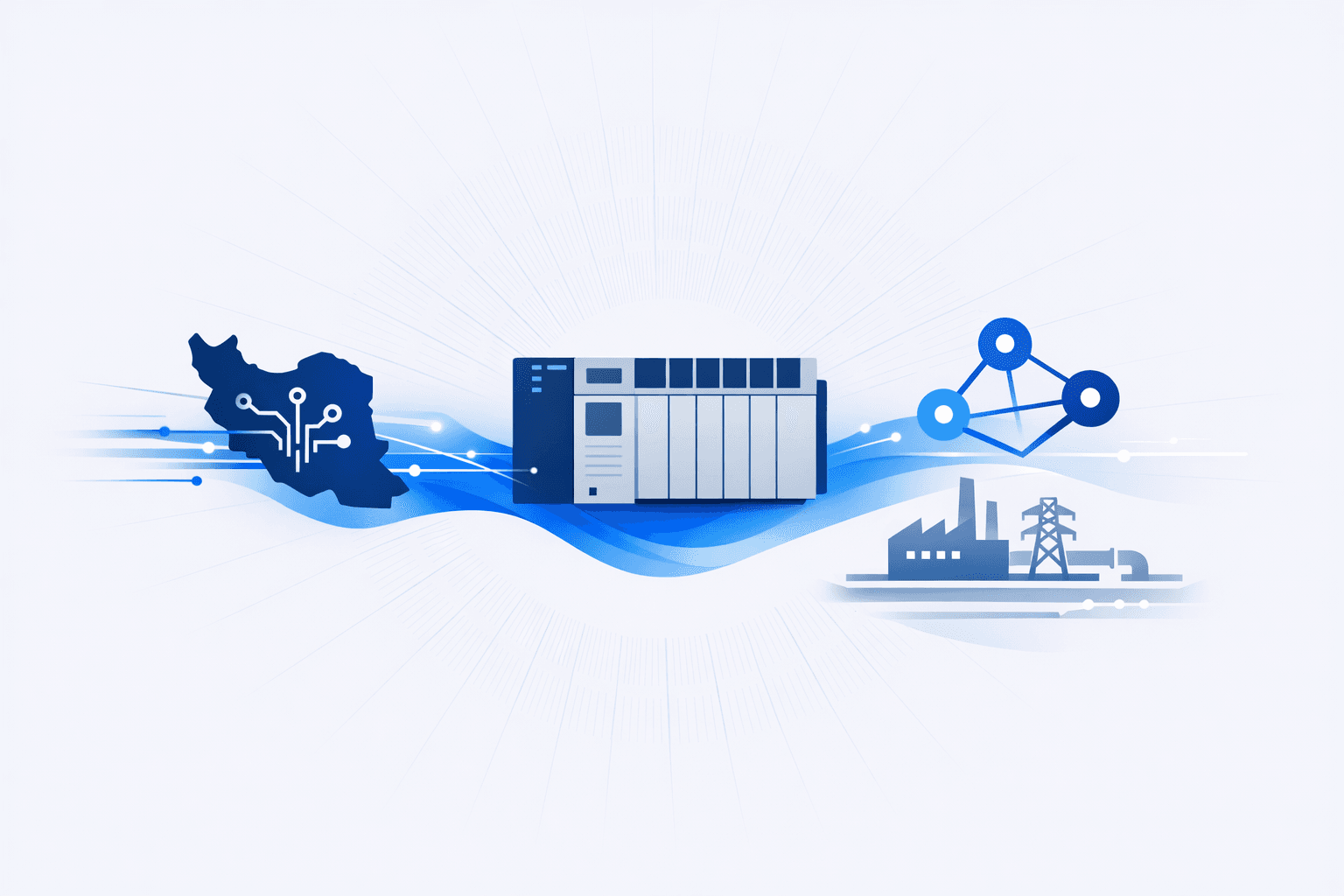
A joint U.S. government advisory said Iranian-affiliated cyber actors are actively exploiting internet-facing operational technology devices across multiple U.S. critical infrastructure sectors, with a particular focus on Rockwell Automation/Allen-Bradley programmable logic controllers (PLCs). The activity has affected organizations in Government Services and Facilities, Water and Wastewater Systems, and Energy, where attackers maliciously interacted with project files and manipulated data displayed on HMI and SCADA systems, causing operational disruption and financial losses for some victims.
The campaign has been observed since at least March 2026 and shows similarities to prior CyberAv3ngers activity linked to the IRGC Cyber Electronic Command. According to the advisory, the actors used overseas IP infrastructure, Rockwell Studio 5000 Logix Designer, OT-related ports including 44818, 2222, 102, 22, and 502, and Dropbear SSH for remote access. U.S. authorities urged operators to remove PLCs from direct internet exposure, harden remote access, enable logging, place controllers in run mode where appropriate, and review published indicators of compromise and ATT&CK-mapped TTPs alongside Rockwell Automation security guidance.
Why it matters
Impact assessment
Iran-affiliated actors are actively disrupting U.S. critical infrastructure by exploiting internet-facing OT devices, with primary focus on Rockwell Automation/Allen-Bradley PLCs. Confirmed affected sectors include Government Services and Facilities, Water and Wastewater Systems, and Energy, and reporting also flags elevated risk to transportation, telecommunications, defense industrial base, and federal contractors where similar exposure exists. Some victims have already experienced operational disruption and financial loss, making this a live disruptive threat rather than a theoretical exposure.
Summary facts
- Joint U.S. advisory: AA26-097A, issued 2026-04-07 by FBI, CISA, NSA, EPA, DOE, and U.S. Cyber Command CNMF.
- Activity observed since at least March 2026 through victim engagements.
- Primary target products: Rockwell Automation/Allen-Bradley PLCs.
- Confirmed targeted device families: CompactLogix and Micro850.
- Additional affected/exposed Rockwell families reported in secondary coverage: CompactLogix, ControlLogix, GuardLogix, DriveLogix, SoftLogix, MicroLogix, Micro820.
- Confirmed affected sectors: Government Services and Facilities, Water and Wastewater Systems, Energy.
- Additional at-risk sectors cited: transportation, telecommunications, defense industrial base, federal contractors, government mission-support systems.
- Reported impacts: diminished PLC functionality, extraction of project files, manipulation of HMI/SCADA display data, operational disruption, financial loss.
- Scope of exposure is broad: Censys identified 5,219 internet-exposed Rockwell/Allen-Bradley hosts globally; 3,891 to about 3,900, or 74.6% to almost 75%, were in the United States.
- Exposure concentration suggests widespread domestic risk, not a narrow victim set.
- Many exposed devices appear field-deployed over cellular or satellite links, increasing difficulty of centralized control and monitoring.
- Known exploitation in the wild: yes, confirmed by U.S. government advisory and multiple victim engagements.
- Historical context: activity resembles prior CyberAv3ngers operations that compromised at least 75 Unitronics PLC/HMI devices in 2023.
Entities
- Threat actor cluster: CyberAv3ngers
- Other tracking names: Shahid Kaveh Group, Storm-0784, Bauxite, UNC5691, Hydro Kitten
- Assessed affiliation: IRGC Cyber Electronic Command
- Related Iranian actor names mentioned in context: MuddyWater, APT33, APT34, Banished Kitten, Handala
Business implications
- Water and wastewater operators face direct public safety and service continuity risk.
- Energy and municipal operators face outage, process integrity, and recovery cost risk.
- Manipulation of HMI/SCADA displays creates operator deception risk, which can delay response and amplify physical process impact.
- Theft of PLC project files increases follow-on intrusion risk by exposing process logic and engineering details.