Critical ScreenConnect Flaw Exposes Machine Keys and Enables Session Hijacking
Vulnerability Disclosure · 9 sources · Updated 4mo ago · First seen Mar 18, 2026

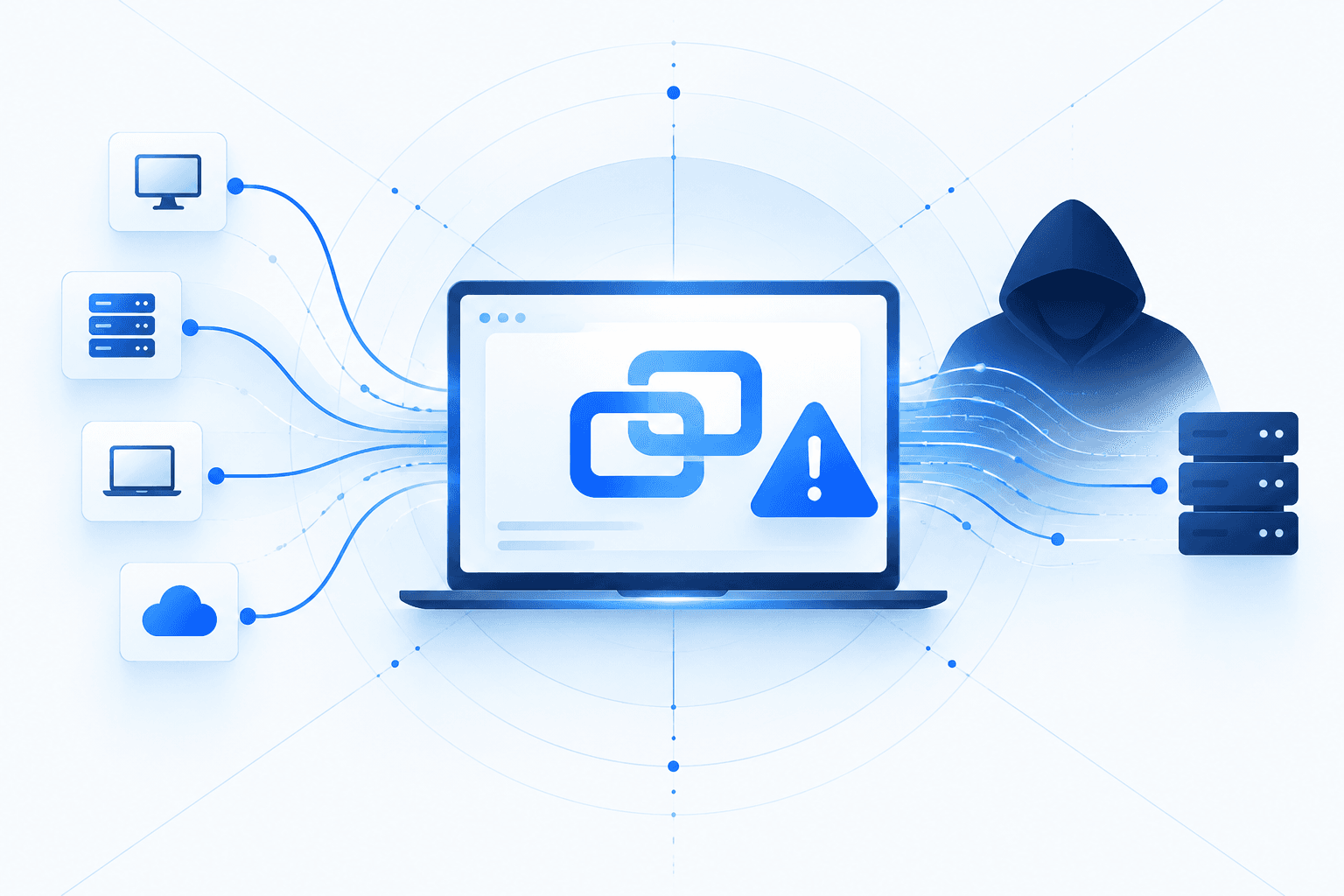
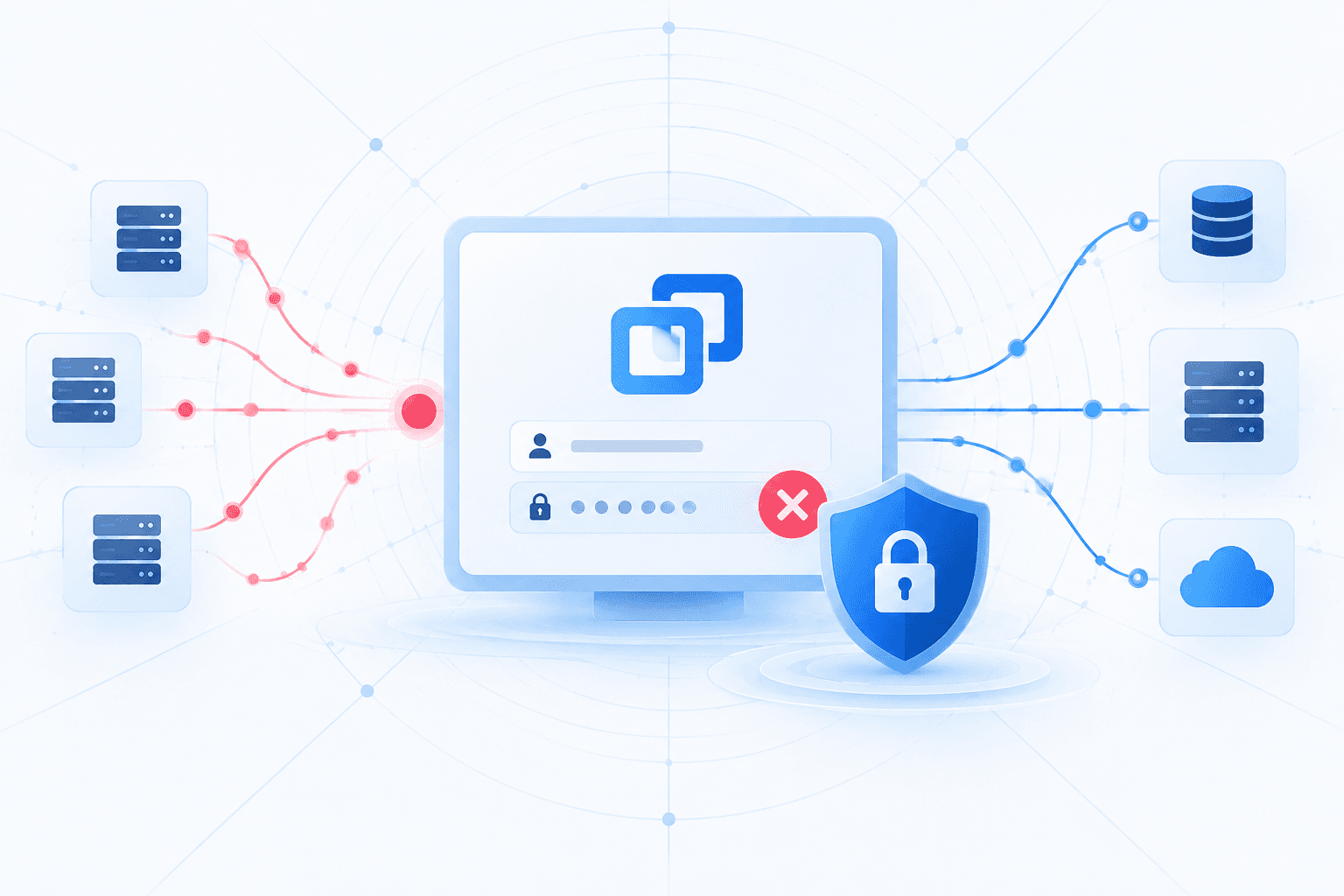
ConnectWise ScreenConnect disclosed a critical vulnerability, CVE-2026-3564 (CVSS 9.0), affecting versions prior to 26.1. The flaw stems from ScreenConnect storing unique per-instance machine keys and related cryptographic material in plaintext server configuration files, creating a path for attackers under certain conditions to extract those keys and abuse them for unauthorized access. The issue is classified as CWE-347: Improper Verification of Cryptographic Signature, and successful exploitation can undermine confidentiality, integrity, and availability in environments that rely on ScreenConnect for remote access.
With the exposed machine keys, an attacker could forge or manipulate session authentication tokens, hijack legitimate sessions, and elevate access without user interaction. ConnectWise rated the issue as high priority, and the Centre for Cybersecurity Belgium urged organizations to patch immediately, monitor for suspicious activity, and treat updates as protection against future exploitation rather than proof that no prior compromise occurred. The vendor states the issue is fixed in version 26.1, making rapid remediation and post-patch review important for on-premises deployments.
Why it matters
Impact assessment
CVE-2026-3564 is a critical ScreenConnect vulnerability that primarily affects organizations running self-hosted or on-premises ScreenConnect versions earlier than 26.1, including managed service providers, enterprise IT teams, support organizations, and technology solution providers that rely on the platform for remote administration. Successful exploitation can enable session hijacking, unauthorized access, privilege escalation, remote command execution through hijacked support sessions, and potential malware deployment to managed endpoints.
The business impact is high because ScreenConnect often sits in a privileged administrative position over employee workstations and customer systems. Compromise can lead to confidentiality loss, integrity compromise, operational disruption across managed devices, and downstream financial and reputational damage, especially for MSPs with multi-customer access.
The exposure is broad across legacy self-hosted deployments because all versions prior to 26.1 are affected, while ConnectWise-hosted cloud instances were already updated by the vendor. There are reported attempts in the wild to abuse disclosed ASP.NET machine key material, but ConnectWise stated it has no evidence of confirmed exploitation of CVE-2026-3564 in its hosted environment and no confirmed IOCs to share.
Structured facts
- Affected product: ConnectWise ScreenConnect
- Affected versions: all versions prior to 26.1
- Deployment models at risk: on-premises and self-hosted instances
- Lower-risk deployment model: ConnectWise-hosted cloud instances were updated by the vendor
- Affected users: MSPs, IT departments, support teams, technology solution providers
- Severity: CVSS 9.0, vendor Priority 1
- Potential outcomes: unauthorized access, session hijacking, privilege escalation, remote actions on managed endpoints, malware installation
- Exploitation status: attempts to abuse disclosed ASP.NET machine key material observed; no confirmed exploitation of CVE-2026-3564 reported by ConnectWise
- External advisory entities: ConnectWise, Centre for Cybersecurity Belgium, Canadian Centre for Cyber Security