Google Expands Gemini Personal Intelligence to Free Users
Emerging Technology Risk · 5 sources · Updated 5mo ago · First seen Mar 18, 2026

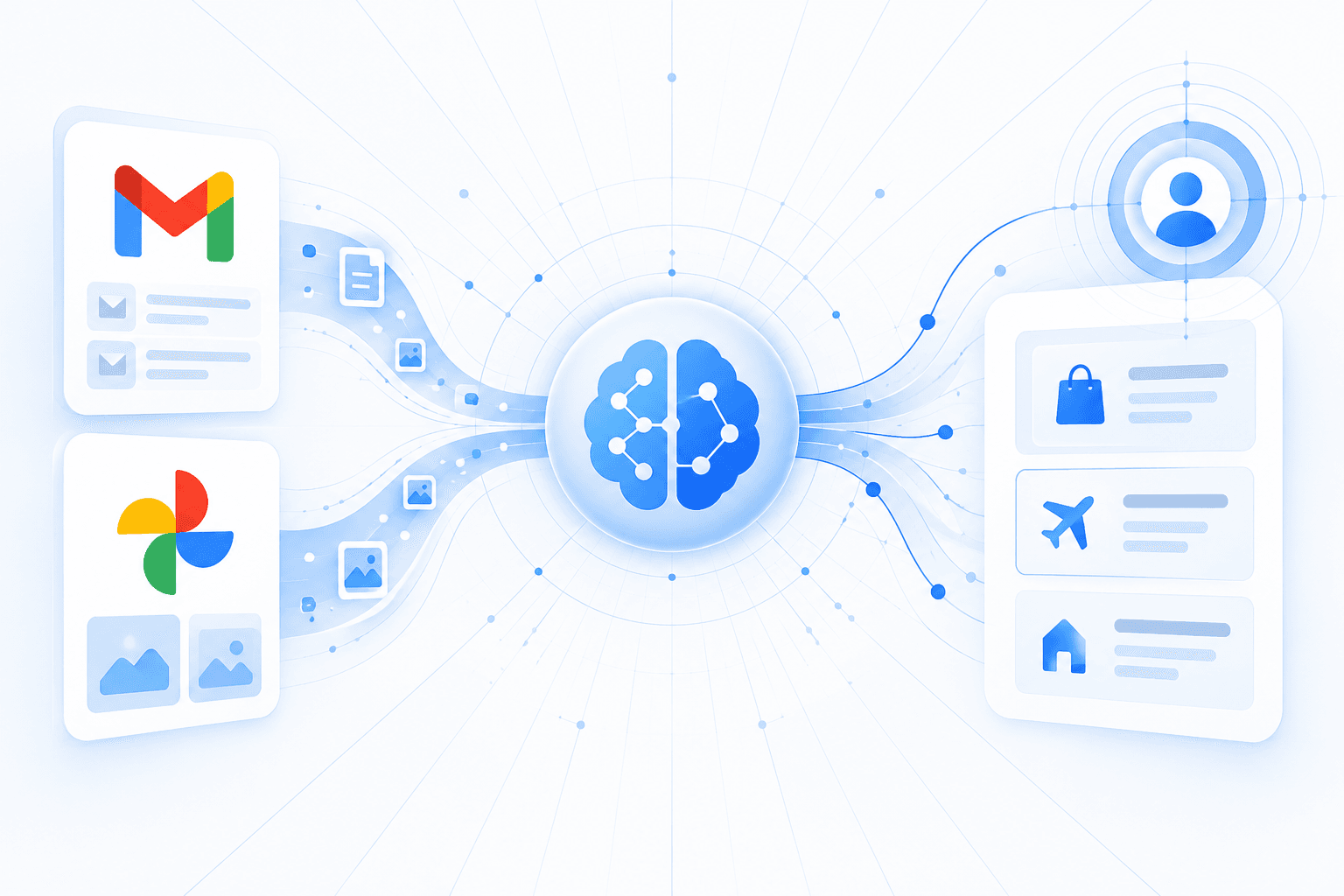
Google expanded Gemini Personal Intelligence beyond paid subscribers, making the feature available to more free U.S. users across AI Mode in Search, the Gemini app, and Gemini in Chrome. The feature connects Gemini to personal Google services such as Gmail, Google Photos, YouTube, and Search history—with user permission—so it can provide more contextual, personalized responses instead of generic answers. Reported use cases include shopping recommendations based on prior purchases, travel and layover suggestions tailored to preferences and location, and troubleshooting help informed by a user’s device or purchase history.
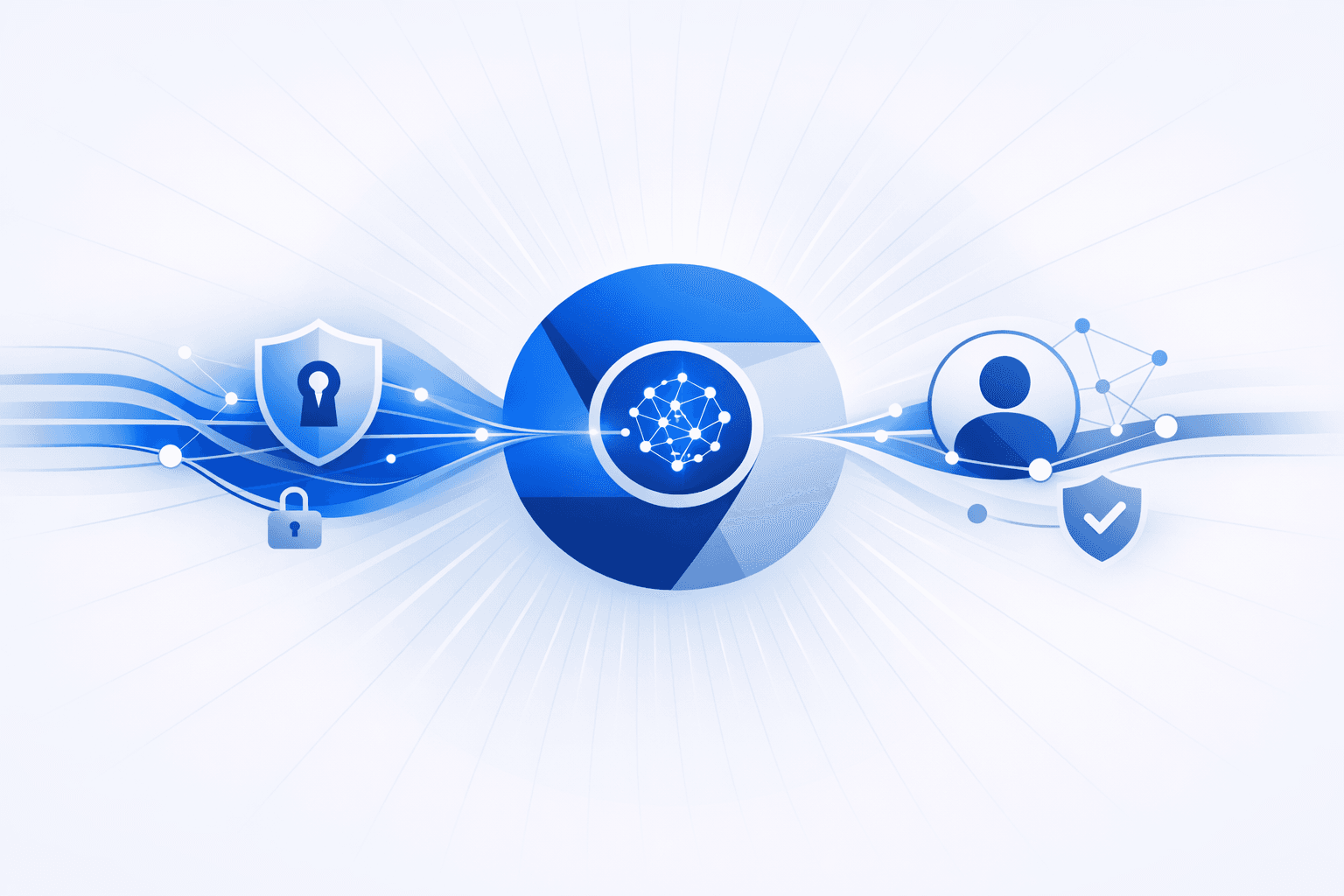
Google said the capability is opt-in and lets users choose which apps and services to connect, with the option to disconnect them later. Coverage of the rollout emphasized the amount of personal context Gemini can access, including email, photos, and search activity, and noted that the feature was previously limited to users paying for Google’s AI subscription. One report highlighted a hands-on test in which Gemini identified vehicle details and recommended tire options and local sellers, illustrating the depth of personalization now being offered to a broader user base.
Why it matters
Impact assessment
Google’s expansion of Gemini Personal Intelligence increases privacy and data-governance exposure for U.S. personal Google account holders by broadening access to AI features that can reference highly sensitive user content across Gmail, Google Photos, Search history, Drive, Calendar, and related services. The immediate impact is not a software compromise or service outage, but a wider risk surface for inadvertent data exposure, overcollection concerns, and policy/compliance issues where users enable deep cross-service personalization.
Severity and scope
- Scope is broad for consumer users in the United States because the feature is rolling out to free-tier personal Google accounts, not just paid subscribers.
- Google Workspace business, enterprise, and education users are stated as not eligible for Personal Intelligence, limiting direct enterprise product exposure.
- Impact is primarily privacy, reputational, and governance-related rather than destructive or operational.
- The feature can infer sensitive personal details from connected services, including purchase history, travel plans, family details, clothing sizes, vehicle ownership, and preferences.
- The feature works across AI Mode in Search, the Gemini app, Gemini in Chrome, and the Gemini website/app ecosystem, increasing the number of user touchpoints where sensitive context may surface.
Known incidents and exposure context
- No malicious exploitation, breach, or in-the-wild attacker activity is described in the references.
- One reference cites a class-action lawsuit earlier in 2026 related to Google enabling Smart Features across accounts without alerting users, indicating ongoing legal and trust concerns around consent and transparency.
- The main business risk for defenders is unmanaged employee use of personal AI assistants on corporate devices or with mixed personal/work data, which can create shadow data exposure and compliance issues.