Phishing Campaigns Abuse Trusted Platforms and Collaboration Tools to Steal Credentials
Social Engineering & Fraud · 3 sources · Updated 5mo ago · First seen Mar 17, 2026
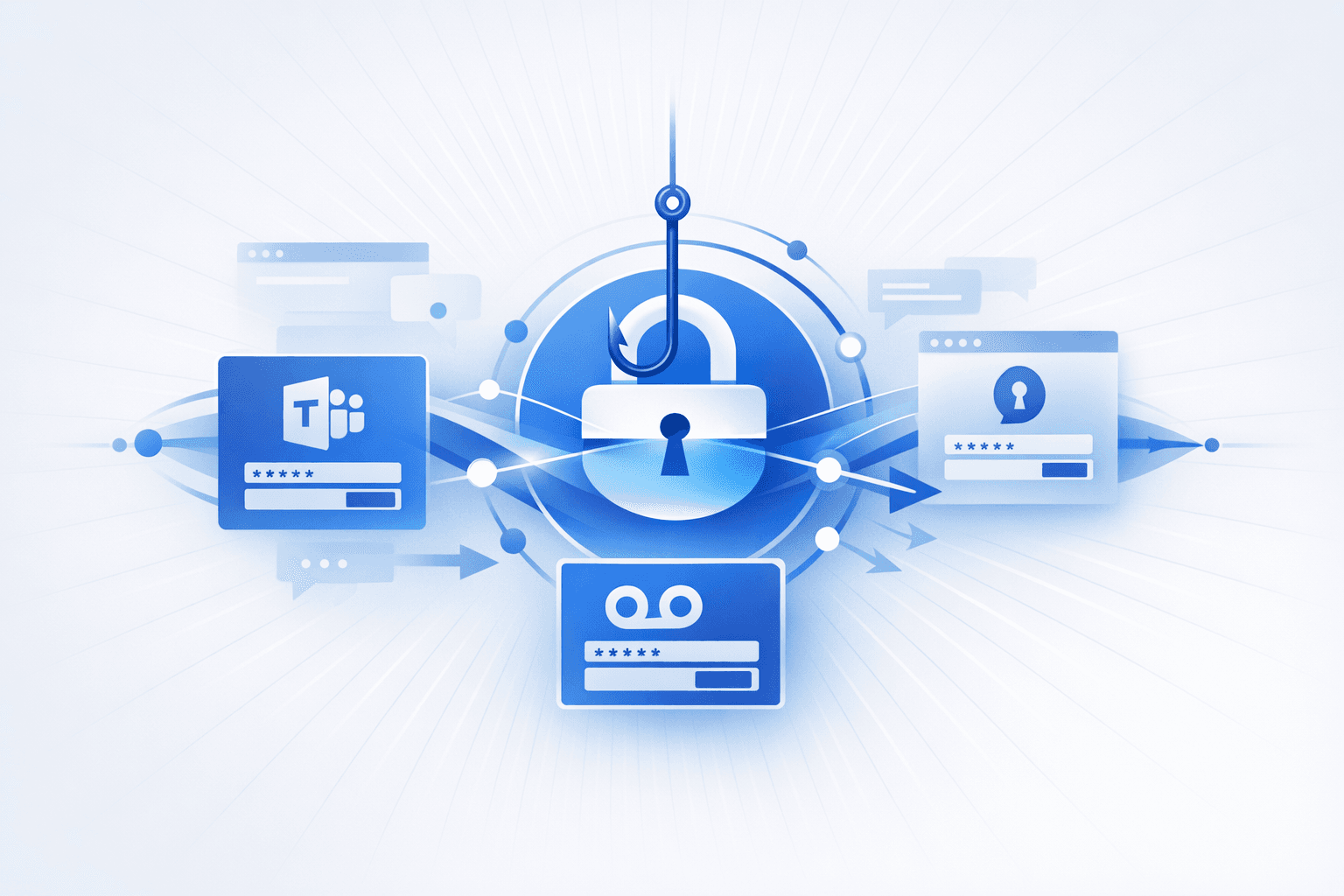
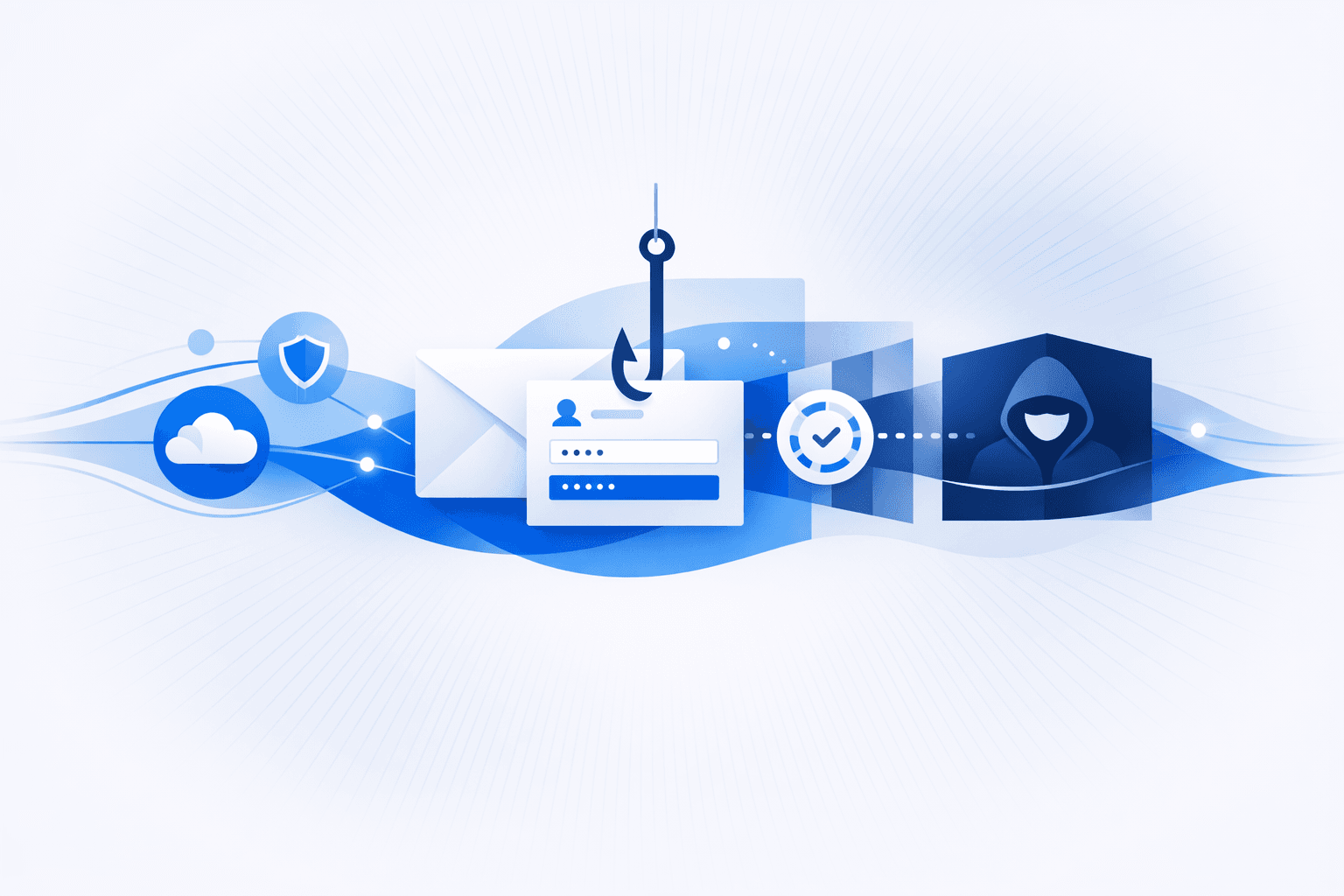
Multiple reports describe a broader credential-theft trend in which attackers abuse trusted services and familiar business workflows to make phishing more convincing and harder to detect. One campaign used compromised WordPress sites and redirects through skimresources[.]com to deliver pixel-perfect fake login pages for Microsoft Teams, Xfinity, and UAE Pass, with lures such as missed voicemail and shared-document alerts. Another campaign abused LiveChat's lc[.]chat infrastructure to impersonate brands like PayPal and Amazon, moving victims into fake support conversations designed to extract sensitive information under the guise of refunds or order issues.
A separate industry report reinforces the same operational pattern: attackers increasingly rely on valid credentials and trusted collaboration tools rather than software exploits, with cloud identity compromise driving most investigated incidents and some intrusions using Microsoft Teams voice phishing and Quick Assist to gain access, move laterally, and deploy ransomware. Other references in the set cover different stories entirely, including the CamelClone espionage operation, a FancyBear/APT28 infrastructure exposure, and a general weekly security recap, and do not describe the same phishing activity. This is not fluff because the relevant items contain substantive threat intelligence on active attack methods, delivery infrastructure, and attacker tradecraft.
Why it matters
Impact assessment
Credential theft is the primary impact, with downstream risk of account takeover, business email compromise, unauthorized cloud access, lateral movement, and ransomware. Affected populations include Microsoft 365 and Teams users, PayPal and Amazon customers, Xfinity users, UAE Pass users, and organizations that rely on collaboration tools and cloud identities.
The exposure is broad rather than narrowly targeted because the campaigns abuse trusted platforms, common business workflows, and compromised legitimate infrastructure to improve delivery and evade suspicion. There are reported incidents and active campaigns in the wild, including Teams voice-phishing intrusions that progressed from credential harvesting to remote access, lateral movement, and ransomware deployment.
Supporting facts
- Industries and user populations affected:
- Enterprises using Microsoft 365, Microsoft Teams, Zoom, and Quick Assist
- Organizations with cloud identity dependencies
- Consumer and business users of PayPal, Amazon, Xfinity, and UAE Pass
- Website owners running poorly secured WordPress instances that can be repurposed as phishing hosts
- Severity:
- Theft of usernames and passwords for account takeover
- MFA interception in the PayPal-themed LiveChat flow
- Collection of PII and payment card data in Amazon- and PayPal-themed flows
- Operational disruption and ransomware risk following identity compromise and remote access abuse
- Reputational and financial harm from fraudulent transactions and compromised customer accounts
- Scope:
- Multiple concurrent campaigns using different lures and brands
- Abuse of legitimate infrastructure including compromised WordPress sites, skimresources[.]com redirects, and LiveChat lc[.]chat links
- Identity-focused intrusions accounted for more than 80% of incident-related alerts investigated by Field Effect in the prior year
- Known exploitation:
- Active phishing campaigns documented by KnowBe4 Threat Labs and Cofense
- Field Effect tracked a campaign since September 2025 using Teams voice phishing and Quick Assist that resulted in ransomware deployment