GlassWorm Supply Chain Attacks Through Compromised Developer and Package Publisher Accounts
Supply Chain Risk · 2 sources · Updated 5mo ago · First seen Mar 16, 2026
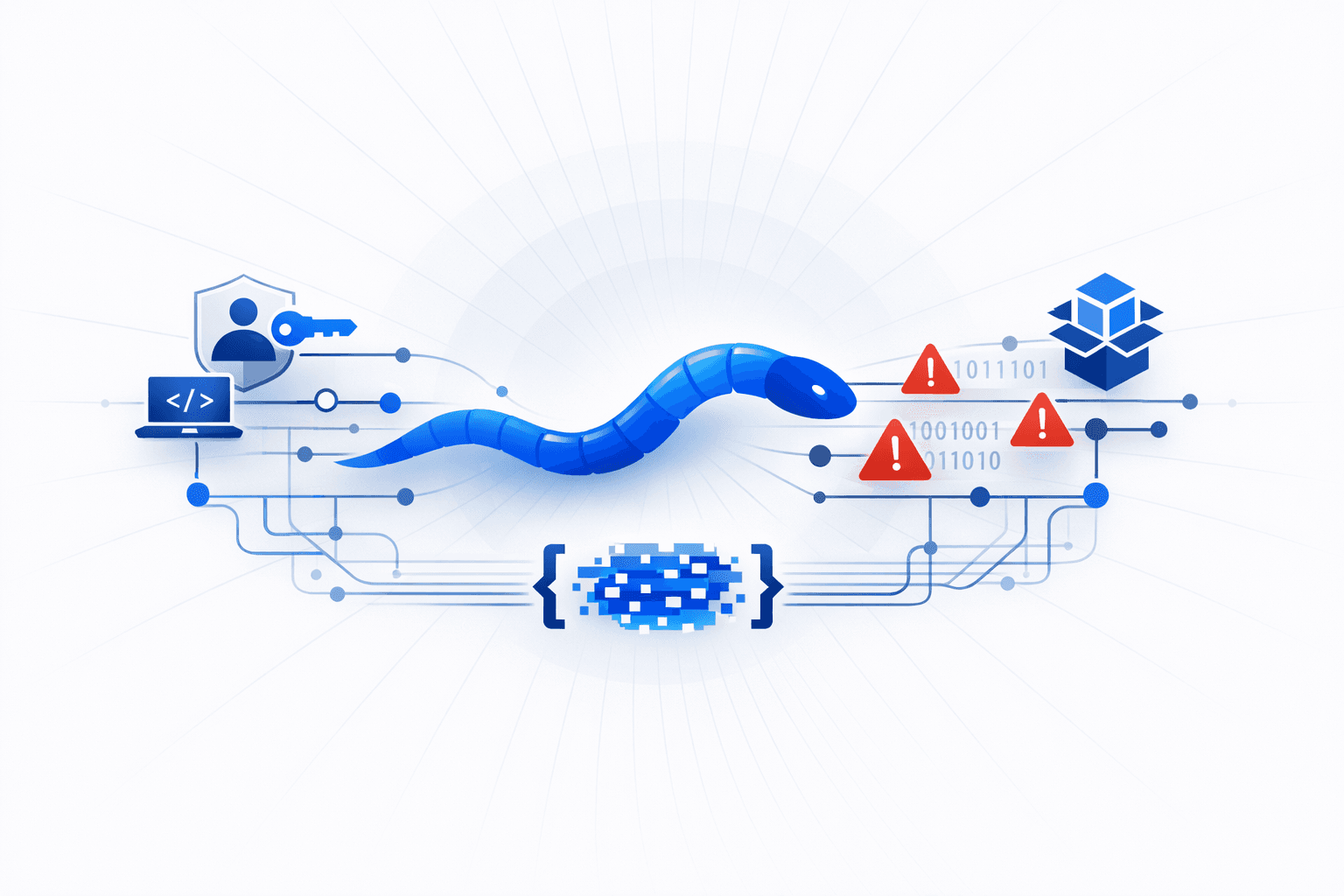
GlassWorm is driving active software supply chain compromises by abusing stolen credentials to insert malware into widely used open-source code and package ecosystems. One campaign, dubbed ForceMemo, used GitHub tokens stolen from developer machines via malicious VS Code and Cursor extensions to force-push obfuscated payloads into hundreds of Python repositories, including Django apps, ML projects, Streamlit dashboards, and PyPI-linked codebases. The injected code was appended to files such as setup.py, main.py, and app.py, preserved original commit metadata to reduce suspicion, skipped execution on systems using a Russian locale, and retrieved follow-on payload locations through the memo field of a Solana wallet previously associated with GlassWorm.
A separate but related supply chain intrusion hit npm on March 16, when two React Native packages from the same publisher — react-native-country-select@0.3.91 and react-native-international-phone-number@0.11.8 — were backdoored with identical preinstall malware. Installing either package triggered a multi-stage Windows-focused credential and cryptocurrency stealer capable of persistence and additional payload delivery, exposing developers, CI runners, and build agents to compromise through routine dependency installation. A third report on malicious npm packages posing as a Roblox Solara executor describes a different campaign, Cipher stealer, targeting Discord, browsers, and crypto wallets, and does not appear tied to GlassWorm or the compromised React Native packages.
Why it matters
Impact assessment
This story describes active software supply-chain compromise affecting open-source consumers, developers, CI/CD environments, and organizations that build from compromised GitHub repositories or install the affected npm packages. Impact is high because the campaigns enable credential theft, cryptocurrency wallet theft, repository compromise, persistence on Windows systems, and downstream propagation into additional software artifacts.
The exposure is both widespread and targeted-by-opportunity: hundreds of Python repositories were reportedly modified through stolen GitHub tokens, and two backdoored React Native packages had nearly 29,763 weekly downloads and 134,887 monthly downloads at the time of reporting. Exploitation in the wild is confirmed through observed malicious repository injections beginning March 8, 2026, and malicious npm releases published March 16, 2026.
Affected populations
- Developers using GitHub, VS Code, or Cursor in affected workflows
- Organizations consuming Python code directly from compromised repositories
- Teams running
pip installfrom compromised repos or executing cloned code - npm consumers of
react-native-country-select@0.3.91andreact-native-international-phone-number@0.11.8 - CI runners, build agents, and developer workstations on Windows
- Projects in Django, machine learning, Streamlit, PyPI-linked, and React Native ecosystems
Severity and business risk
- Credential theft: GitHub credentials, npm tokens, and local secrets were targeted
- Software integrity risk: malicious code was inserted into legitimate repositories and package releases
- Operational disruption: compromised developer endpoints and build systems may require credential rotation, rebuilds, and repository history review
- Financial risk: theft of cryptocurrency wallets and potential abuse of stolen publishing credentials
- Reputational risk: organizations may unknowingly redistribute trojanized code to customers or internal users
Scope and observed activity
- StepSecurity reported hundreds of Python repositories impacted
- Aikido Security reported a related wave affecting more than 151 GitHub repositories
- Earliest malicious repository injections date to 2026-03-08
- Two npm packages from publisher AstrOOnauta were backdoored within minutes of each other on 2026-03-16
- The npm package compromise appears to be direct publisher-account compromise rather than malicious dependency inheritance