Meta Disrupts Coordinated Abuse Networks on Its Platforms
Social Engineering & Fraud · 2 sources · Updated 5mo ago · First seen Mar 13, 2026

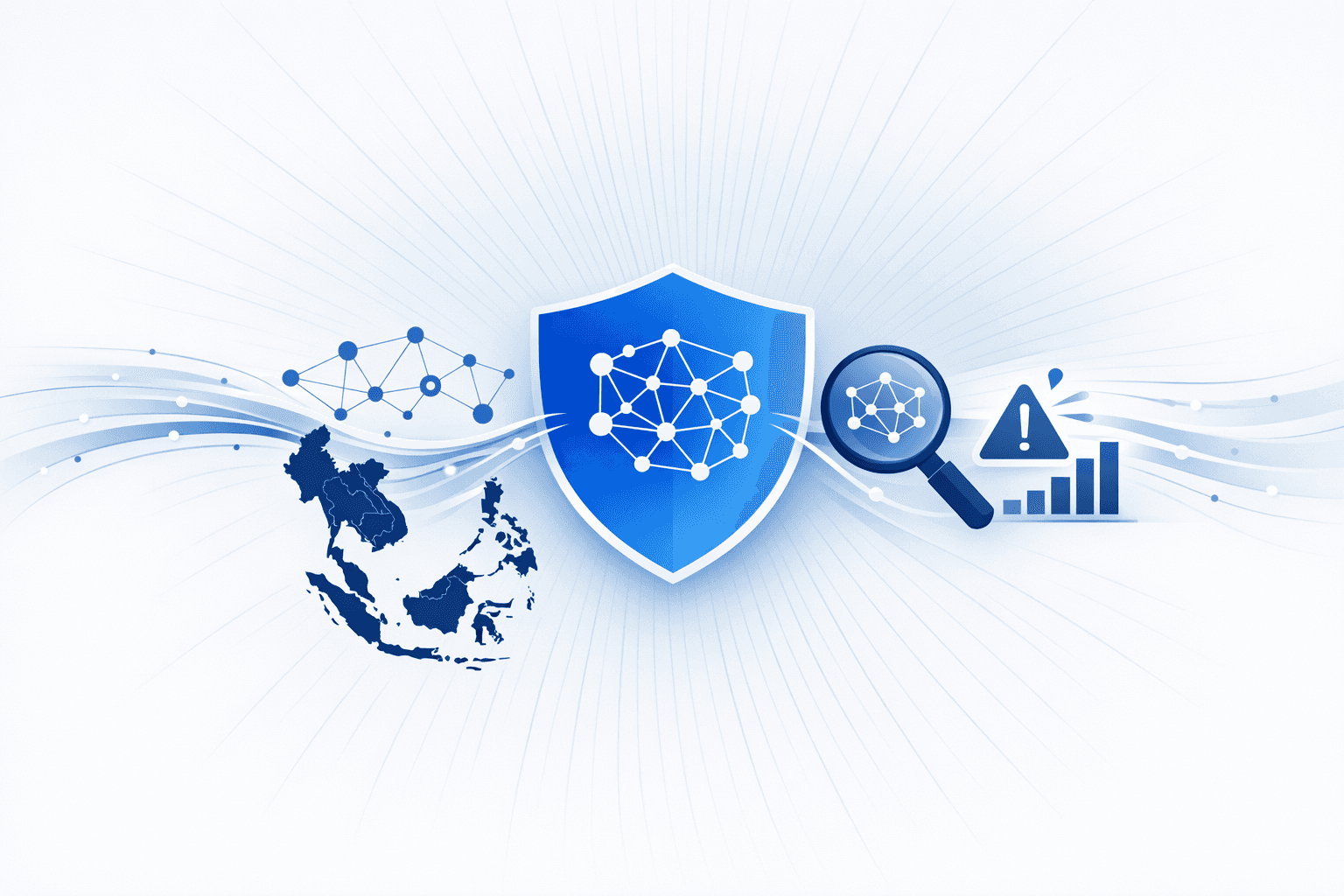
Meta reported separate enforcement actions against coordinated abuse on its platforms, including the takedown of more than 150,000 accounts tied to scam compounds in Southeast Asia and the removal of about 300 accounts and pages linked to an Iranian influence operation targeting U.S. Instagram users. The scam-related action was conducted with international law enforcement and was associated with the arrest of 21 alleged fraudsters, underscoring a broader campaign to dismantle industrialized online fraud networks operating from regional scam hubs.
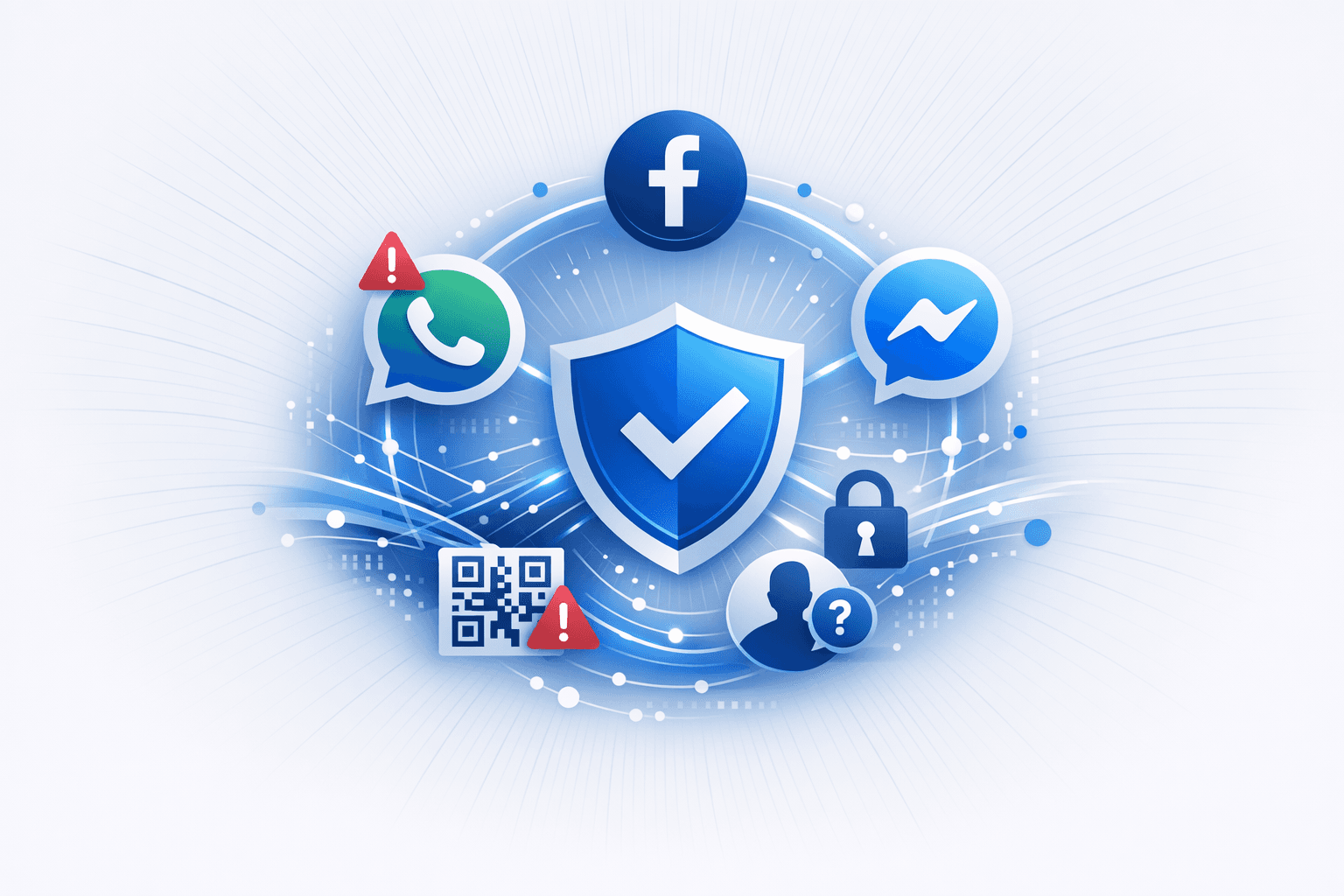
Meta said the Iranian operation used fake personas, AI-generated profile images, fabricated occupations, and layered amplification accounts to build credibility with English-speaking U.S. audiences before introducing political messaging, particularly content critical of Israel and U.S. policy in the Middle East. The company said the network had limited real-world traction despite roughly 41,000 followers across the Instagram personas, while the scam crackdown was paired with new fraud-detection features across Facebook, Messenger, and WhatsApp. A separate report about an Instagram outage described service disruption and backend failure speculation, but it was not part of the same security event.
Why it matters
Summary
Meta disrupted two separate coordinated abuse networks: a large Southeast Asia-linked scam ecosystem involving more than 150,000 accounts and an Iran-linked influence operation involving about 300 accounts and pages. The impact is highest for social media users, brands, and trust-and-safety teams on Facebook, Messenger, WhatsApp, and Instagram, with risk spanning financial fraud, impersonation, and information manipulation rather than direct enterprise compromise.
Business impact
Who is affected
- Users of Facebook, Messenger, WhatsApp, and Instagram.
- English-speaking U.S. Instagram users were specifically targeted by the Iran-linked influence operation.
- Organizations with employees active on social platforms, especially public-sector, media, and politically exposed users, face elevated impersonation and social-engineering risk.
- Platforms and advertisers face reputational harm from large-scale scam and influence abuse.
Severity and scope
- The scam activity was broad and industrialized, with more than 150,000 accounts tied to scam compounds in Southeast Asia, indicating widespread exposure.
- The influence operation was more targeted, aimed at shaping perceptions among U.S. audiences through fake personas and amplification accounts.
- Potential harms include financial loss from scams, account compromise through social engineering, erosion of platform trust, and reputational damage for impersonated individuals or brands.
Known disruption and incidents
- Meta said the scam takedown was coordinated with international law enforcement and was associated with the arrest of 21 alleged fraudsters.
- Meta removed about 300 accounts and pages linked to the Iranian operation before it achieved significant real-world engagement.
- Meta assessed the Iranian network had roughly 41,000 followers across Instagram personas but limited authentic user traction.