AI and Automation Accelerate Ransomware Operations and Intrusion Speed
Threat Actor Intelligence · 2 sources · Updated 5mo ago · First seen Mar 5, 2026
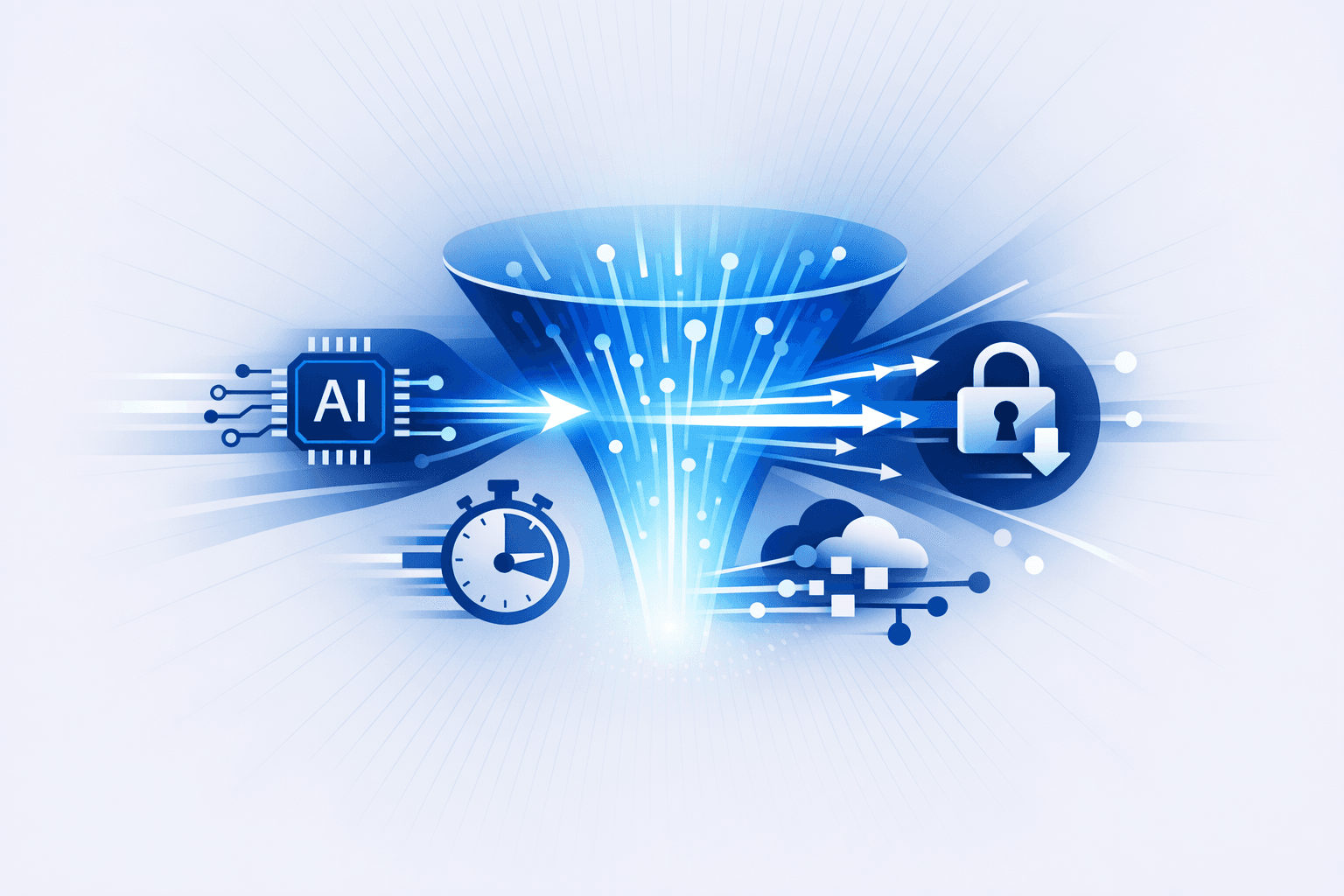
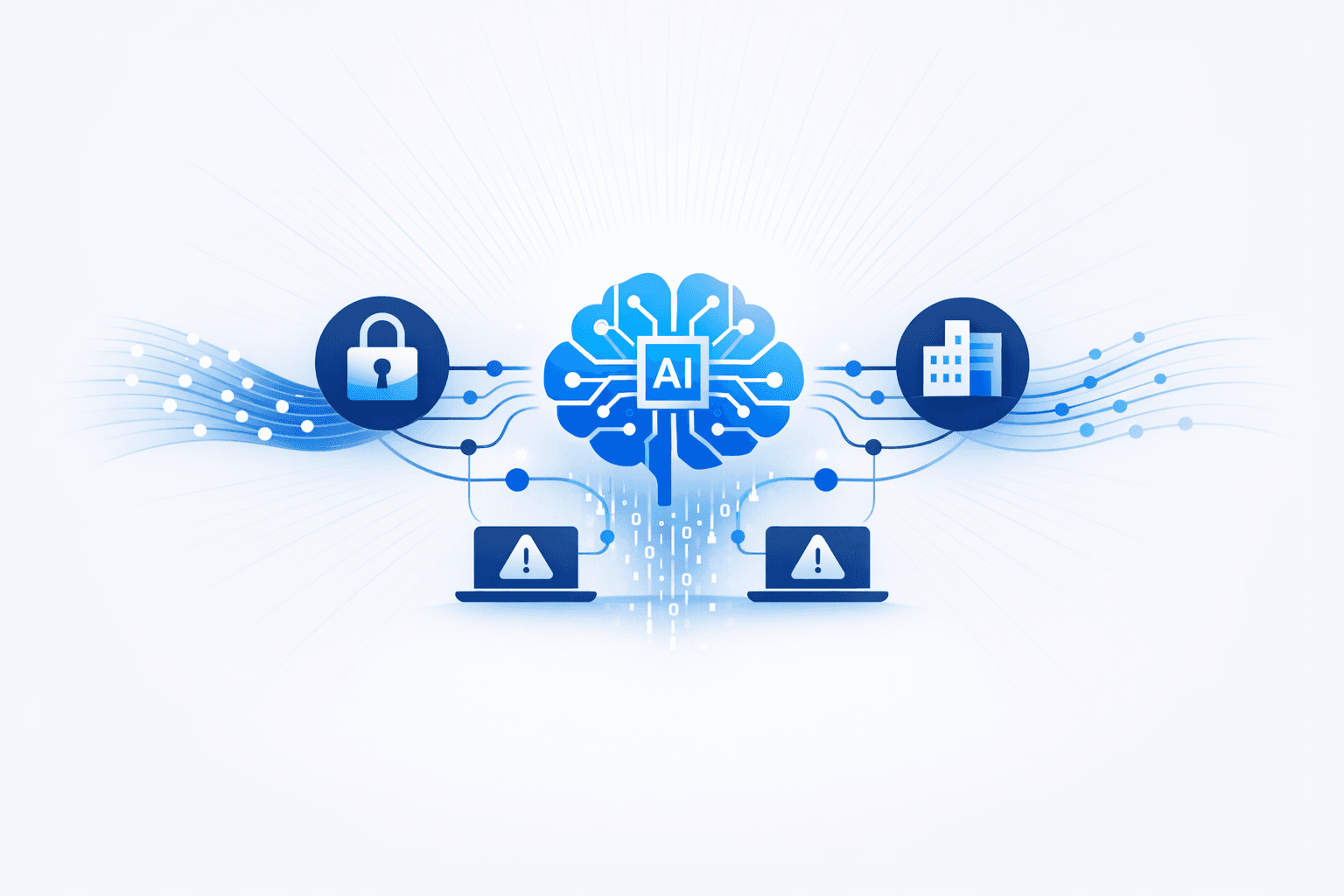
Recent reporting and threat research indicate AI and automation are materially compressing attacker timelines, reducing defenders’ opportunity to detect and contain intrusions. A ReliaQuest analysis cited by SC Media found lateral movement can occur in as little as four minutes (with average lateral movement time dropping from 48 to 34 minutes), and data exfiltration in the fastest cases falling to six minutes (down from more than four hours previously). The same reporting notes 80% of ransomware groups are leveraging AI and/or automation for data theft, and highlights BoaLoader as an example of converged AI-assisted development, social engineering, and traditional cybercrime activity.
Separate ransomware telemetry from NCC Group shows overall publicly disclosed ransomware incidents dipped month-over-month in January but remained broadly consistent year-over-year (741 vs. 696), with North America accounting for 54% of activity and industrials the most targeted sector (32%). The report identified Qilin as the most active group (108 cases), followed by Akira and Sinobi, and warned that attacker tradecraft is expanding to new initial access paths, including messaging platforms (e.g., WhatsApp, Signal, Telegram) via device-linking scams and malicious QR codes. ASEC’s weekly “Ransom & Dark Web Issues” roundup provides additional context on ongoing ransomware and hacktivist activity (e.g., Morpheus targeting a South Korean plating company and Ailock republishing prior victims), but it is not clearly tied to the same specific datasets or findings on AI-driven acceleration described in the other reporting.
Why it matters
Impact assessment
AI-assisted and automated ransomware operations are reducing defender response time from hours to minutes, increasing the likelihood of successful lateral movement and rapid data theft before containment. Enterprises in North America and industrial-sector organizations face the highest observed exposure in the cited reporting, but the trend is broadly relevant across industries because it reflects attacker tradecraft changes rather than a single malware family or vendor flaw.
Key impact points
- ReliaQuest reported lateral movement in as little as 4 minutes, with average lateral movement dropping from 48 minutes to 34 minutes.
- ReliaQuest reported fastest data exfiltration cases at 6 minutes, down from more than 4 hours in the prior year.
- ReliaQuest assessed that 80% of ransomware groups use AI and/or automation for data theft.
- NCC Group recorded 741 publicly disclosed ransomware incidents in January 2026 versus 696 in January 2025, indicating sustained year-over-year disruption despite a month-over-month decline.
- North America accounted for 54% of reported ransomware activity.
- Industrials were the most targeted sector at 32% of incidents.
- The operational impact includes faster encryption and exfiltration workflows, reduced dwell time for defenders, higher probability of business interruption, and increased risk of financial and reputational damage from extortion.
- The exposure is widespread rather than narrowly targeted because the reporting describes ecosystem-wide ransomware adoption of AI and automation.
- The story cites active ransomware ecosystems and publicly disclosed incidents in the wild, including activity attributed to Qilin, Akira, and Sinobi.
Entities mentioned
- ReliaQuest
- NCC Group
- Qilin
- Akira
- Sinobi
- BoaLoader
- North America
- Industrials sector