LastPass Phishing Campaign Using Spoofed Support Threads and Fake SSO Pages
Social Engineering & Fraud · 4 sources · Updated 5mo ago · First seen Mar 4, 2026
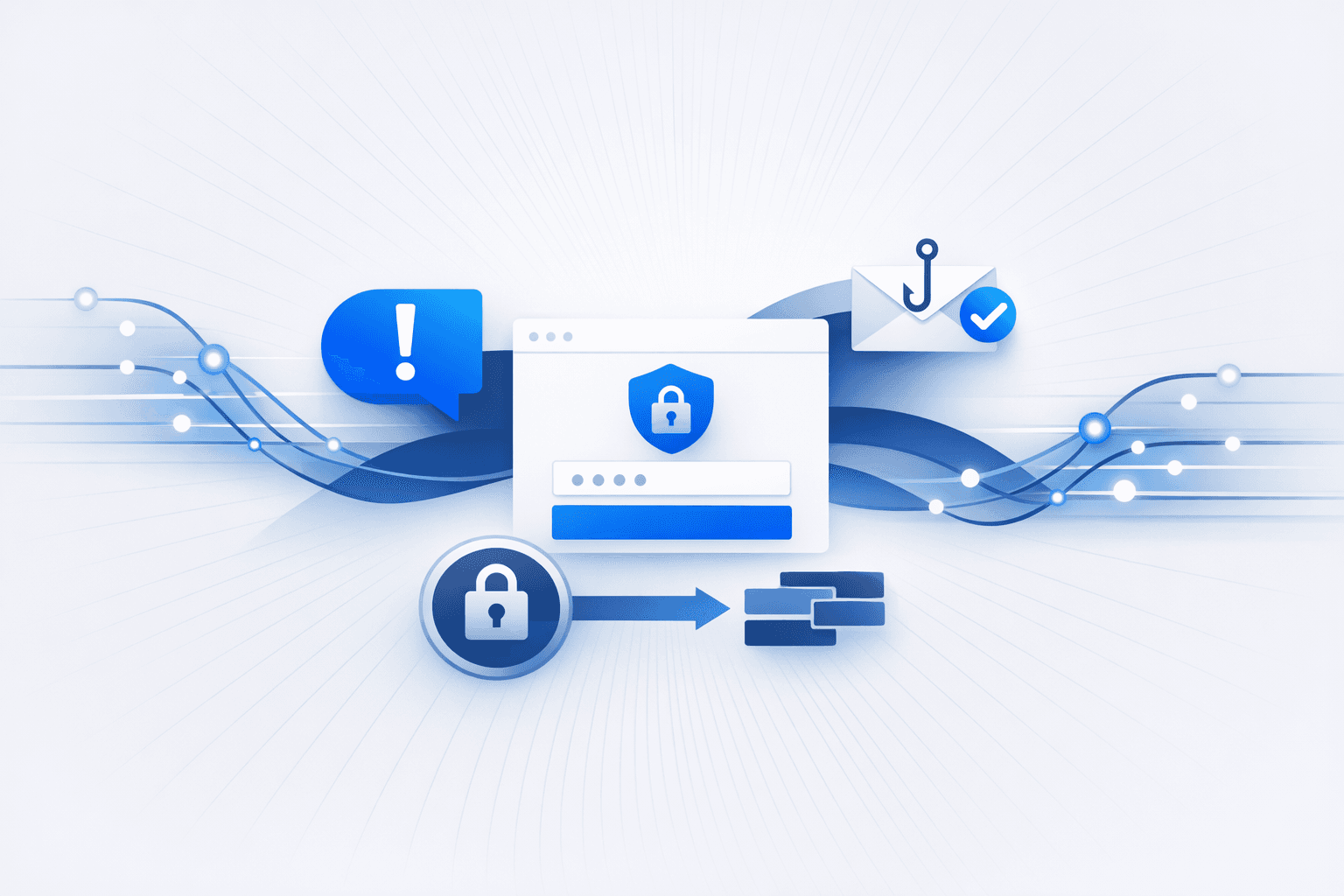
LastPass warned of an active phishing campaign using spoofed “security alert” and “support thread” emails that claim unauthorized access, master password changes, vault export attempts, account recovery, or new device registration. The messages abuse display-name spoofing (e.g., “LastPass Support”) to hide unrelated sender addresses—often from compromised sites or abandoned domains—and use urgent calls to action such as “report suspicious activity,” “disconnect and lock vault,” and “revoke device” to drive clicks.
Victims who follow the links are directed to a fake LastPass SSO/login page hosted primarily on verify-lastpass[.]com, with additional lookalike/modified URLs redirecting to the same credential-harvesting site, aiming to steal users’ master passwords and account credentials. LastPass stated its own infrastructure was not compromised, is working with partners to take down the phishing domains, and reiterated it will never ask users for their master password; users are advised to report suspicious LastPass-branded emails to abuse@lastpass.com.
Why it matters
Impact assessment
This campaign affects LastPass customers and any enterprise workforce using LastPass for password management, with elevated risk for mobile users who may only see spoofed display names in email clients. The immediate impact is credential theft of LastPass master passwords, which can enable unauthorized vault access, downstream account compromise, and significant reputational and operational damage for affected organizations.
The exposure is broad rather than narrowly targeted because the lures impersonate routine LastPass support and security notifications and use multiple sender addresses, domains, and URL variants to scale delivery. There is active exploitation in the wild: LastPass reported the phishing activity began around 2026-03-01 and is actively working with partners to take down the infrastructure.
Supporting facts
- Affected population: LastPass users, including enterprise users relying on LastPass vaults for credential storage.
- Higher-risk user segment: mobile email users, because many clients prominently display sender names while hiding underlying addresses.
- Business impact: theft of master passwords can expose stored credentials and secrets in user vaults.
- Potential consequences: account takeover, unauthorized access to dependent business systems, incident response costs, and reputational harm.
- Scope: multi-domain phishing infrastructure with multiple sender addresses, subject lines, redirects, and URL variants indicates a scalable campaign.
- Exploitation status: active phishing campaign reported by LastPass TIME team since approximately 2026-03-01.
- Vendor status: LastPass stated its own infrastructure was not compromised.