Early March 2026 Vendor Security Advisories and Patch Releases Across Enterprise, Mobile, and ICS Products
Patch & Detection Intelligence · 10 sources · Updated 5mo ago · First seen Mar 3, 2026
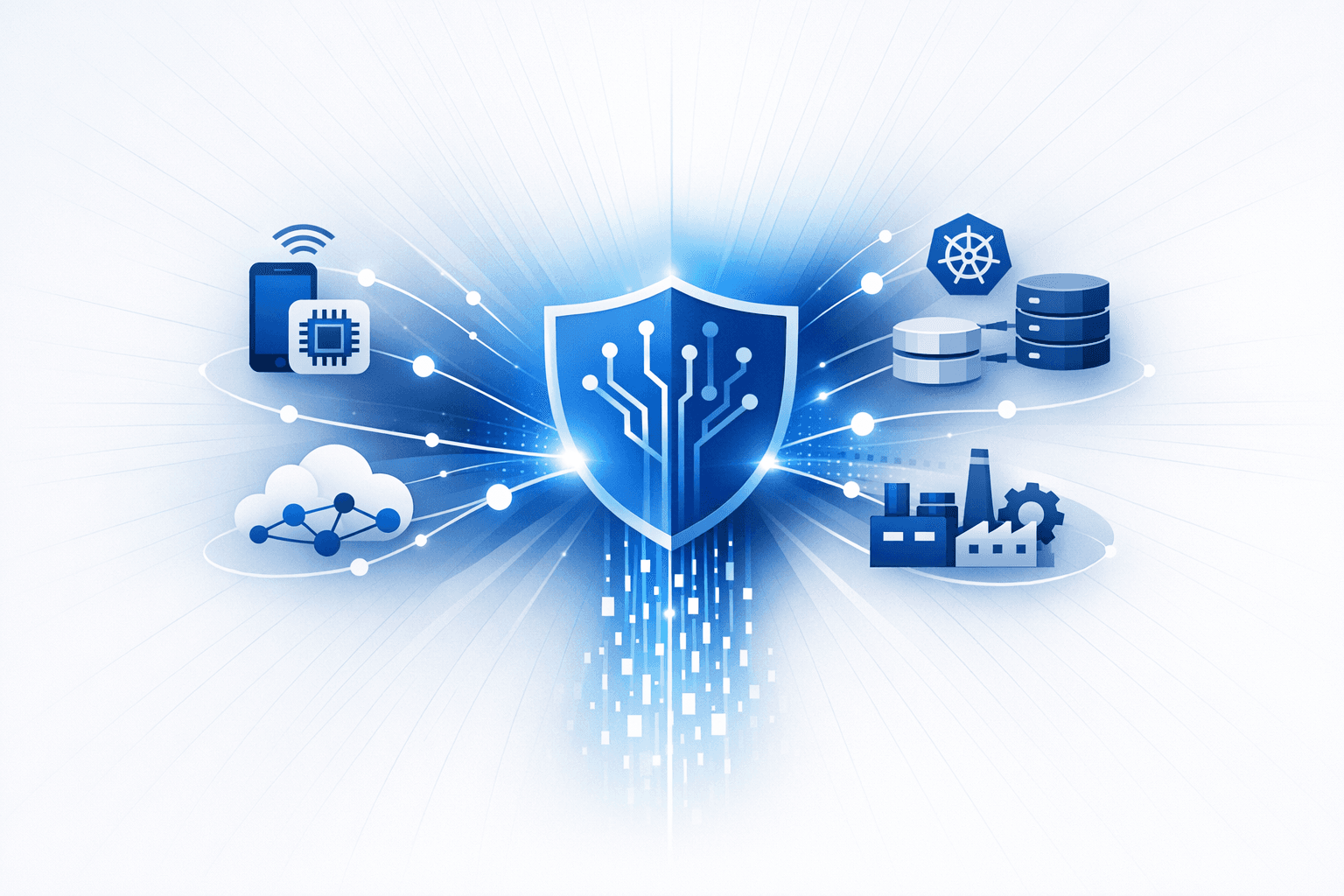
Multiple vendors issued security advisories and patch releases in late February and early March 2026, prompting coordinated update guidance from national and regional CERTs. The Canadian Centre for Cyber Security highlighted updates for Django (fixed in 4.2.29, 5.2.12, 6.0.3), Samsung mobile devices (March 2026 security update), Qualcomm (March 2026 monthly bulletin), Veeam Kasten for Kubernetes / Kasten K10, VMware Tanzu components (including Greenplum and RabbitMQ on Kubernetes), and Red Hat advisories including Linux kernel updates across multiple RHEL-related platforms.
Industrial and infrastructure-facing products were also covered via CISA ICS advisories spanning a broad set of vendors and solutions (including EV charging ecosystems, building management, cameras, and DCS/SCADA platforms such as Schneider Electric EcoStruxure Building Operation Workstation and Yokogawa CENTUM VP), with guidance to apply mitigations and updates where available. Additional enterprise patch guidance included Dell advisories affecting PowerStore T and PowerEdge server lines (including AMD-based models and NVIDIA networking/DOCA-related components), and IBM advisories across a wide portfolio (including App Connect Enterprise, CICS TX, License Metric Tool, Maximo, Sterling Secure Proxy, Terracotta, QRadar, and others). HKCERT separately summarized Samsung vulnerabilities impacting Android devices and Exynos chipsets, listing multiple CVEs (e.g., CVE-2024-31328 and numerous 2025-series CVEs) with potential impacts including RCE, EoP, information disclosure, and DoS.
Why it matters
Impact assessment
This story is a broad patch-and-advisory rollup affecting enterprise software, mobile devices, server platforms, Kubernetes backup stacks, and industrial/OT environments. The most exposed organizations are those running Django applications, Samsung and Qualcomm-based mobile fleets, VMware Tanzu components, Red Hat platforms, Dell infrastructure, IBM enterprise products, and ICS products from Schneider Electric, Yokogawa, Pelco, and EV-charging ecosystem vendors.
Severity is potentially high because the referenced advisories include vulnerabilities associated with remote code execution, elevation of privilege, information disclosure, and denial of service, with possible outcomes ranging from application compromise and service disruption to OT operational impact. Scope is widespread rather than narrowly targeted because many affected products are broadly deployed across enterprise and infrastructure environments; however, the provided content does not confirm active exploitation in the wild for these advisories.
Affected entities and products
- Django: versions prior to 4.2.29, 5.2.12, and 6.0.3
- Samsung mobile devices: versions prior to SMR-MAR-2026
- Qualcomm products: March 2026 bulletin covers multiple Qualcomm vulnerabilities
- Veeam Kasten for Kubernetes and Kasten K10: multiple affected versions
- VMware Tanzu: Greenplum, Greenplum Upgrade, Greenplum Backup and Restore, RabbitMQ on Kubernetes
- Red Hat platforms: Linux kernel updates across RHEL-related products
- Dell: PowerStore T, PowerEdge, AMD-based PowerEdge, NVIDIA BlueField/ConnectX/DOCA-related components
- IBM: App Connect Enterprise, CICS TX, License Metric Tool, Maximo, Sterling Secure Proxy, Terracotta, QRadar, and others
- ICS/OT: Chargemap, CloudCharge, Copeland XWEB/XWEB Pro, EV Energy, EV2GO, Gardyn Home Kit Firmware, InSAT MasterSCADA BUK-TS, Johnson Controls Frick Controls Quantum HD, Mobility46, Pelco Sarix Pro 3, SWITCH EV, Schneider Electric EcoStruxure Building Operation Workstation, Yokogawa CENTUM VP
Business impact considerations
- Enterprise web applications may face compromise risk if Django instances remain unpatched.
- Mobile fleets may be exposed to device compromise, privilege escalation, data leakage, or service instability.
- Kubernetes backup and middleware platforms may create lateral movement or data protection risks if management components are vulnerable.
- OT and building-management products raise risk of operational disruption and safety-adjacent consequences in industrial and facilities environments.
- Security tooling and infrastructure products such as IBM QRadar and Dell/Red Hat platforms increase risk concentration because compromise could affect core monitoring or compute layers.
Exploitation status
- No confirmed in-the-wild exploitation is stated in the provided content.