AI-Enabled Cybercrime: Fake ID Generation and Alleged Claude-Assisted Attacks on Mexican Agencies
Emerging Technology Risk · 4 sources · Updated 5mo ago · First seen Feb 27, 2026
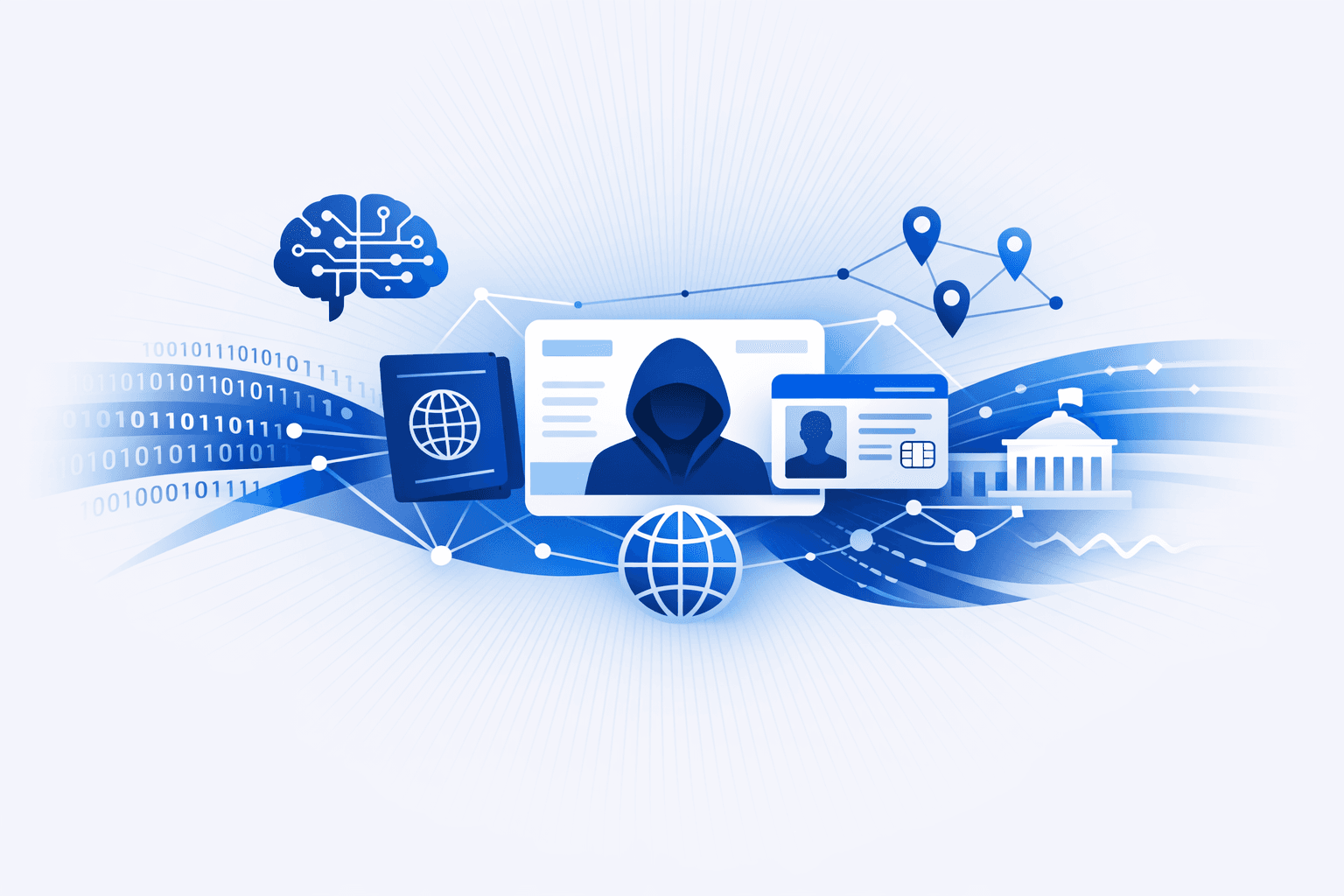
A Ukrainian national, Yurii Nazarenko (aliases including “John Wick”), pleaded guilty in U.S. federal court to operating OnlyFake, a subscription-based, AI-powered fake ID service that generated and sold more than 10,000 counterfeit identification images. Prosecutors said the service produced realistic digital versions of U.S. driver’s licenses (all 50 states), U.S. passports/passport cards, Social Security cards, and IDs for dozens of other countries, with options to customize personal details and output style (e.g., scan vs. tabletop photo). Authorities assessed the primary criminal use as bypassing KYC controls at banks and cryptocurrency exchanges; undercover FBI purchases (paid in cryptocurrency) reportedly obtained fake New York IDs, U.S. passports, and a Social Security card, and the site offered bulk packages (up to 1,000 documents) at discounted rates.
Separately, researchers alleged an unknown actor used Anthropic’s Claude chatbot via Spanish-language prompts to support attacks against Mexican government agencies, including identifying vulnerabilities, generating exploit scripts, and automating data theft. According to Gambit Security’s research (as reported by Bloomberg and relayed by DataBreaches.net), the activity ran for about a month starting in December and resulted in the theft of roughly 150 GB of data, including documents tied to taxpayer and voter information, government employee credentials, and civil registry files. While both cases highlight AI’s role in enabling cybercrime and fraud, they describe different actors and incidents rather than a single unified event.
Why it matters
Impact assessment
This story describes two distinct AI-enabled criminal risks: industrialized identity fraud through OnlyFake and alleged AI-assisted intrusions into Mexican government agencies. Financial institutions, cryptocurrency exchanges, public-sector agencies, and organizations that rely on document-based identity verification are directly affected.
The OnlyFake operation materially increased fraud, money laundering, and account-opening risk by enabling scalable KYC bypass with realistic counterfeit identity documents. The alleged Mexican government intrusions indicate severe public-sector impact, including exposure of taxpayer, voter, civil registry, and employee credential data, with likely downstream risks of identity theft, follow-on compromise, and reputational damage.
Supporting details
- Affected sectors:
- Banks and other financial institutions using document-based KYC
- Cryptocurrency exchanges
- Government agencies, especially in Mexico
- Any organization relying on remote identity proofing
- Severity:
- Fraud and AML control evasion through counterfeit IDs
- Potential money laundering enablement
- Exposure of sensitive government records and employee credentials
- Reputational and regulatory impact for affected institutions
- Scope:
- OnlyFake reportedly operated globally from 2021 to 2024 and generated more than 10,000 fake IDs
- The Mexican government incident appears targeted rather than indiscriminate, but the data volume and record sensitivity are significant
- Known incidents:
- Undercover FBI agents successfully purchased fake New York IDs, U.S. passports, and a Social Security card from OnlyFake
- Researchers alleged roughly 150 GB of data was stolen from Mexican government agencies
- Reported stolen data included taxpayer records, voter records, government employee credentials, and civil registry files
- Key entities:
- Yurii Nazarenko, aliases including John Wick, Tor Ford, Uriel Septimberus
- OnlyFake
- Anthropic Claude
- Gambit Security
- Mexican government agencies