CISA Capacity Degraded by Personnel Cuts, Program Closures, and Leadership Vacancies
Regulatory & Policy · 3 sources · Updated 5mo ago · First seen Feb 25, 2026
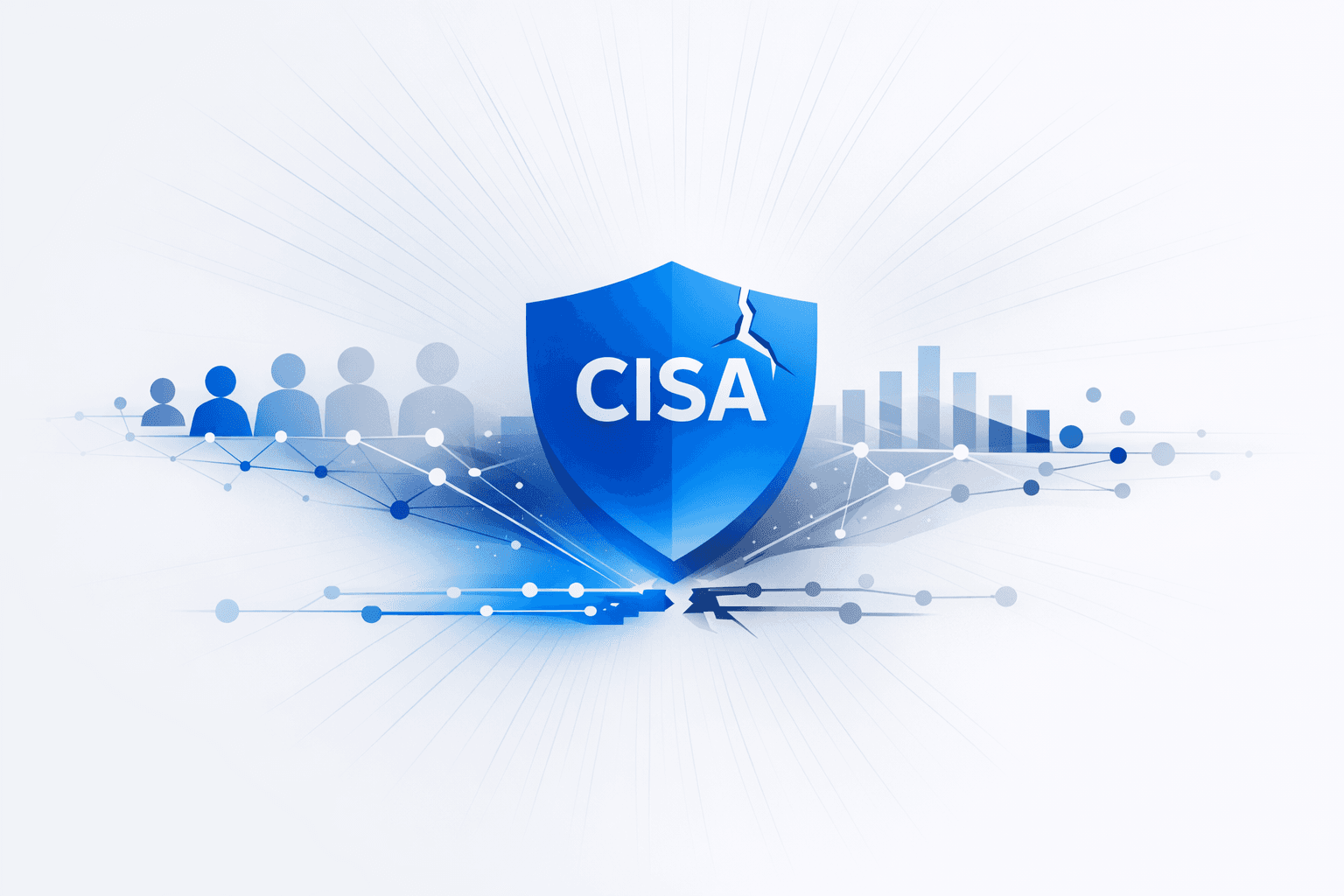
Bipartisan lawmakers and private-sector cybersecurity leaders warned that the U.S. Cybersecurity and Infrastructure Security Agency (CISA) has been significantly weakened after roughly a year of personnel cuts and layoffs under the second Trump administration, with reporting indicating the agency has lost about one-third of its workforce and shuttered or reduced entire divisions. Sources described diminished ability to execute core missions such as coordinating with industry and protecting federal civilian networks, with some organizations reportedly seeking alternatives (industry alliances, outside consultants, or direct government-to-government partnerships) rather than relying on CISA support.
Reporting also tied the degradation to a prolonged leadership vacuum—with the administration’s nominee Sean Plankey not confirmed and Acting Director Madhu Gottumukkala criticized by some sources as struggling to lead—alongside political and operational pressures that deprioritized the agency. Specific capability impacts cited include reduced counter-ransomware efforts, work to promote secure software development, and losses affecting election security functions; additional strain was attributed to reassignment of staff to other DHS priorities and to a partial federal government shutdown that further reduced available staffing levels, raising concerns about CISA’s readiness to respond to a major cyber crisis.
Why it matters
Impact assessment
CISA degradation affects U.S. federal civilian agencies, critical infrastructure operators, state and local governments, election security stakeholders, and private-sector organizations that rely on CISA for coordination, advisories, assessments, and incident support. The immediate impact is reduced national cyber defense capacity rather than a discrete product compromise, with likely downstream effects including slower incident coordination, weaker ransomware and threat-hunting support, reduced vulnerability tracking continuity, and higher operational risk during a major cyber event.
The exposure is broad and systemic across the U.S. cyber defense ecosystem, not a targeted intrusion against one vendor or platform. The reporting does not describe a new exploitation event caused by the cuts, but it explicitly notes concern about readiness against active China-linked activity including Volt Typhoon and Salt Typhoon and reduced capacity to respond to a major cyber crisis.
Supporting facts
- Affected entities named in reporting:
- Cybersecurity and Infrastructure Security Agency (CISA)
- Department of Homeland Security (DHS)
- Federal civilian agencies
- State and local governments
- Critical infrastructure operators
- Election security stakeholders
- Private-sector partners and ISACs
- Reported operational degradation:
- CISA lost roughly one-third of its workforce.
- CISA was reportedly operating at about 38% staffing during a partial federal shutdown.
- Entire divisions were reportedly shuttered or effectively closed.
- Counter-ransomware, secure software development, threat hunting, and election security functions were reduced.
- Contracts tied to critical infrastructure threat detection, vulnerability tracking, and industry collaboration reportedly teetered or were temporarily disrupted.
- Reported business and mission consequences:
- Organizations reportedly sought alternatives such as industry alliances, outside consultants, and direct government-to-government partnerships.
- Former officials and industry partners described broken relationships and unanswered requests for help.
- Two ISACs serving state and local governments reportedly folded.
- Scope and severity indicators:
- Broad national exposure due to reduced central coordination and information sharing.
- Potential for operational disruption during major incidents due to leadership vacancies, layoffs, and reassignment of staff.
- Reputational and strategic impact to U.S. cyber resilience and public-private trust.
- Exploitation status:
- No new CVE-driven exploitation or breach is reported.
- Active adversary pressure is referenced through ongoing Salt Typhoon and Volt Typhoon activity.