Microsoft Windows lifecycle and update changes affecting Windows 10/Server 2016 and Windows 11
Attack Surface Exposure · 2 sources · Updated 5mo ago · First seen Feb 25, 2026
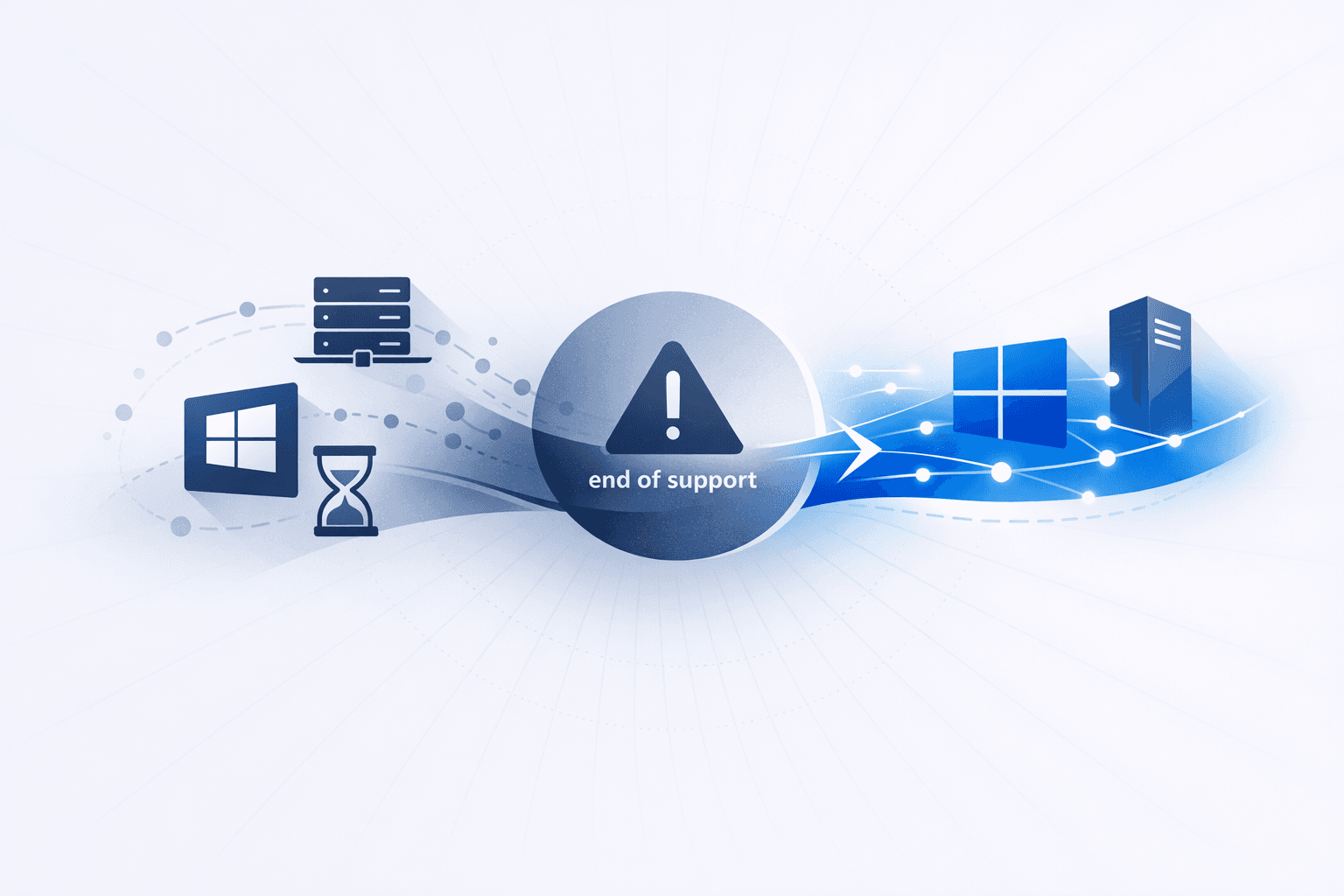
Microsoft is warning organizations that Windows Server 2016, Windows 10 Enterprise LTSB 2016, and Windows 10 IoT Enterprise 2016 LTSB are approaching end of support, after which they will no longer receive security patches, bug fixes, or technical support. Reported lifecycle dates include October 13, 2026 for the Windows 10 2016 LTSB variants and January 12, 2027 for Windows Server 2016; Microsoft’s guidance is to prioritize upgrades (e.g., to Windows Server 2025 and Windows 10/11 LTSC options where hardware permits) and, if migration timelines slip, to use the Extended Security Updates (ESU) program as a short-term bridge for up to three years with only “critical” and “important” security updates.
Separately, Microsoft released the Windows 11 KB5077241 optional (non-security) preview cumulative update with 29 quality changes, including BitLocker reliability improvements (addressing freezes after entering a recovery key) and new built-in capabilities such as a taskbar network speed test and native Sysmon functionality (disabled by default). The update also enables Quick Machine Recovery (QMR) by default on certain unmanaged Windows Pro devices and is positioned for admin testing ahead of the next Patch Tuesday release, but it does not include security fixes.
Why it matters
Impact assessment
Microsoft is signaling a near-term exposure and lifecycle risk for organizations still running Windows Server 2016, Windows 10 Enterprise LTSB 2016, and Windows 10 IoT Enterprise 2016 LTSB. Affected populations include enterprise server estates, special-purpose/embedded device fleets, and regulated environments that depend on long-lived Windows builds; once support ends, these systems will stop receiving routine security fixes and will become progressively higher-risk and harder to keep compliant.
The impact is potentially significant but not tied to a newly disclosed exploit or active intrusion campaign in this story. Exposure is likely widespread across legacy enterprise and OT/IoT-adjacent environments because these 2016-era releases remain common in long-lived deployments; Microsoft offers ESU only as a temporary bridge, with limited coverage and rising cost.
Supporting facts
- Affected products:
- Windows 10 Enterprise LTSB 2016
- Windows 10 IoT Enterprise 2016 LTSB
- Windows Server 2016
- End-of-support dates:
- Windows 10 Enterprise LTSB 2016: 2026-10-13
- Windows 10 IoT Enterprise 2016 LTSB: 2026-10-13
- Windows Server 2016: 2027-01-12
- Post-EoS consequences stated by Microsoft:
- No more security patches
- No more bug fixes or non-security updates
- No more technical support
- No more updated online documentation
- Business risk drivers:
- Increased vulnerability exposure as new flaws are discovered after patching ends
- Compliance degradation for organizations required to maintain supported software
- Higher operational and financial burden if ESU is used instead of migration
- ESU limitations:
- Available for up to three years after end of support
- Provides only critical and important security updates
- Does not provide feature updates, quality improvements, or full product support
- Pricing doubles each year and is cumulative
- Separate Windows 11 KB5077241 update impact:
- Non-security preview update only
- Improves reliability and adds admin-relevant functionality, including native Sysmon capability disabled by default
- No security fixes included
- Known exploitation in the wild:
- None reported in the provided references