Ransomware and data-extortion incidents drive new breach disclosures across healthcare, aviation, and hospitality
Breach & Incident Intelligence · 4 sources · Updated 5mo ago · First seen Feb 25, 2026
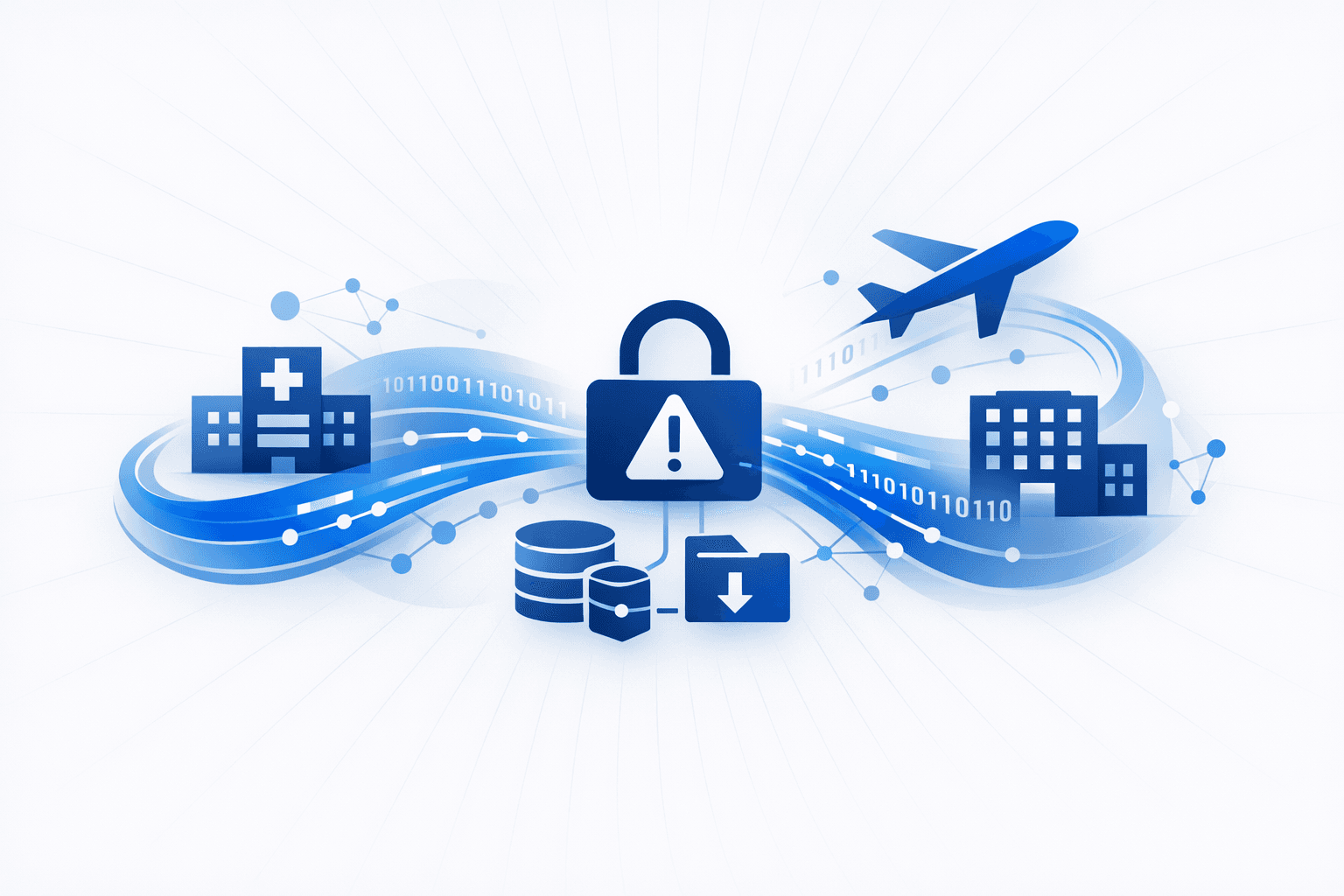
Multiple organizations disclosed or were linked to ransomware/data-extortion activity with material operational or privacy impact. Air Côte d’Ivoire confirmed a cyberattack affecting parts of its information systems after INC ransomware claimed theft of 208 GB and threatened to leak data, while the airline said it engaged the national CERT and external experts to contain impact and maintain flight operations. In the US healthcare sector, University of Mississippi Medical Center (UMMC) reported a ransomware incident that forced statewide clinic closures and disrupted access to Epic electronic medical records, prompting engagement with the FBI and CISA and use of downtime procedures to sustain patient care. Separately, Conduent’s earlier ransomware-linked breach continued to expand in scope, with breach notifications indicating at least ~25 million people affected across multiple states and exposure of sensitive PII (including SSNs and health/insurance data). Wynn Resorts also confirmed an unauthorized party accessed and stole employee data after being listed by the ShinyHunters extortion group, with the company stating the actor claimed the data was deleted and that guest operations were not impacted.
Other items in the set describe distinct, unrelated security events and broader threat research rather than the same incident: alleged data leaks involving Burger King France and Wendy’s UK; Qilin ransomware claims against a New York City transit union; Russian cyber operations against Ukraine’s power grid focused on intelligence collection; and a New Zealand healthcare application (MediMap) taken offline after apparent unauthorized access and patient record tampering (e.g., records marked deceased). Additional references cover threat research and trends (airline brand impersonation domains, edge-device exploitation telemetry, MuddyWater’s Operation Olalampo, Google Ads cloaking via 1Campaign, freight/logistics phishing by “Diesel Vortex,” and various governance/AI/5G/quantum commentary), which provide context on the threat environment but do not substantively report on the same specific breach event.
Why it matters
Impact assessment
Multiple sectors are affected: healthcare providers, airlines, hospitality, and public-sector benefit processing. The most severe impacts are operational disruption in healthcare, large-scale privacy exposure in government-benefit processing, and employee-data theft with extortion pressure in aviation and hospitality.
The scope ranges from targeted intrusions at individual organizations to a mass-breach event affecting at least 25 million people through Conduent. Exploitation in the wild is confirmed through active ransomware and extortion claims involving INC ransomware, an unnamed ransomware actor targeting UMMC, and ShinyHunters.
Supporting details
- Healthcare: University of Mississippi Medical Center (UMMC) suffered ransomware-related outages affecting seven hospitals and 35 clinics in Mississippi.
- Healthcare impact: statewide clinic closures, canceled outpatient surgeries, canceled procedures, canceled imaging appointments, and loss of access to Epic electronic medical records.
- Aviation: Air Côte d’Ivoire confirmed compromise of parts of its information systems.
- Aviation impact: INC ransomware claimed theft of 208 GB of data and threatened public release.
- Hospitality: Wynn Resorts confirmed theft of employee data after appearing on the ShinyHunters leak site.
- Hospitality impact: employee PII exposure risk, including claimed Social Security number theft; guest operations reportedly unaffected.
- Government services and benefits ecosystem: Conduent breach notifications indicate at least about 25 million affected individuals across multiple U.S. states.
- Conduent impact: exposure of names, dates of birth, addresses, Social Security numbers, health insurance information, and medical data.
- Largest known population impacts cited: Oregon about 10.5 million affected; Texas about 15.4 million affected; additional impacts in Massachusetts, New Hampshire, and Washington.
- Reputational and regulatory exposure is high for all four organizations due to ransomware/extortion linkage, sensitive-data handling, and public breach disclosures.
- Known active extortion behavior:
- INC ransomware set a leak deadline for Air Côte d’Ivoire.
- ShinyHunters posted and later removed a Wynn Resorts leak-site entry with a publication deadline.
- UMMC confirmed communication with attackers during response.