Escalating Russian Hybrid Warfare and Policy Responses in Europe
Threat Actor Intelligence · 6 sources · Updated 5mo ago · First seen Feb 24, 2026

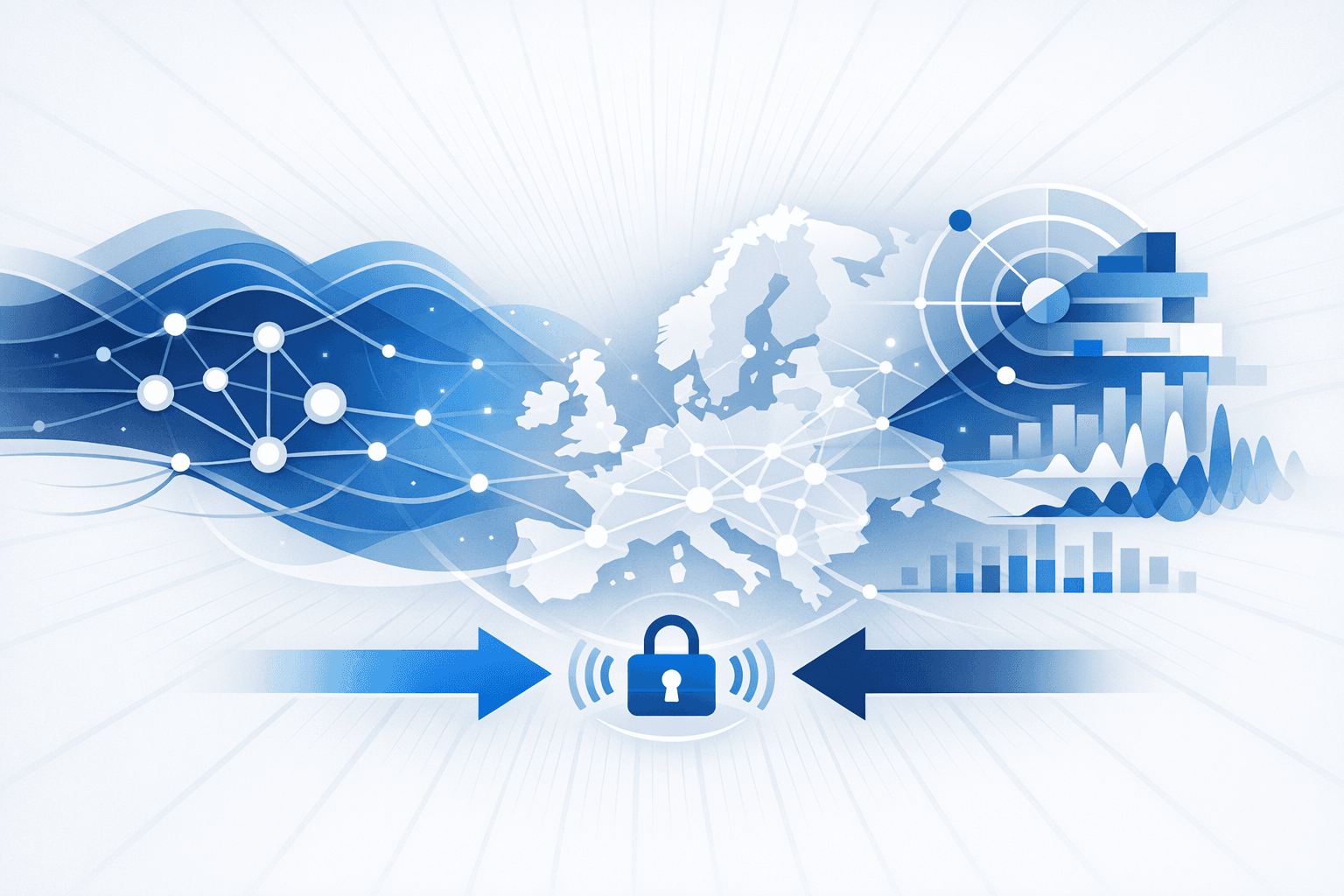
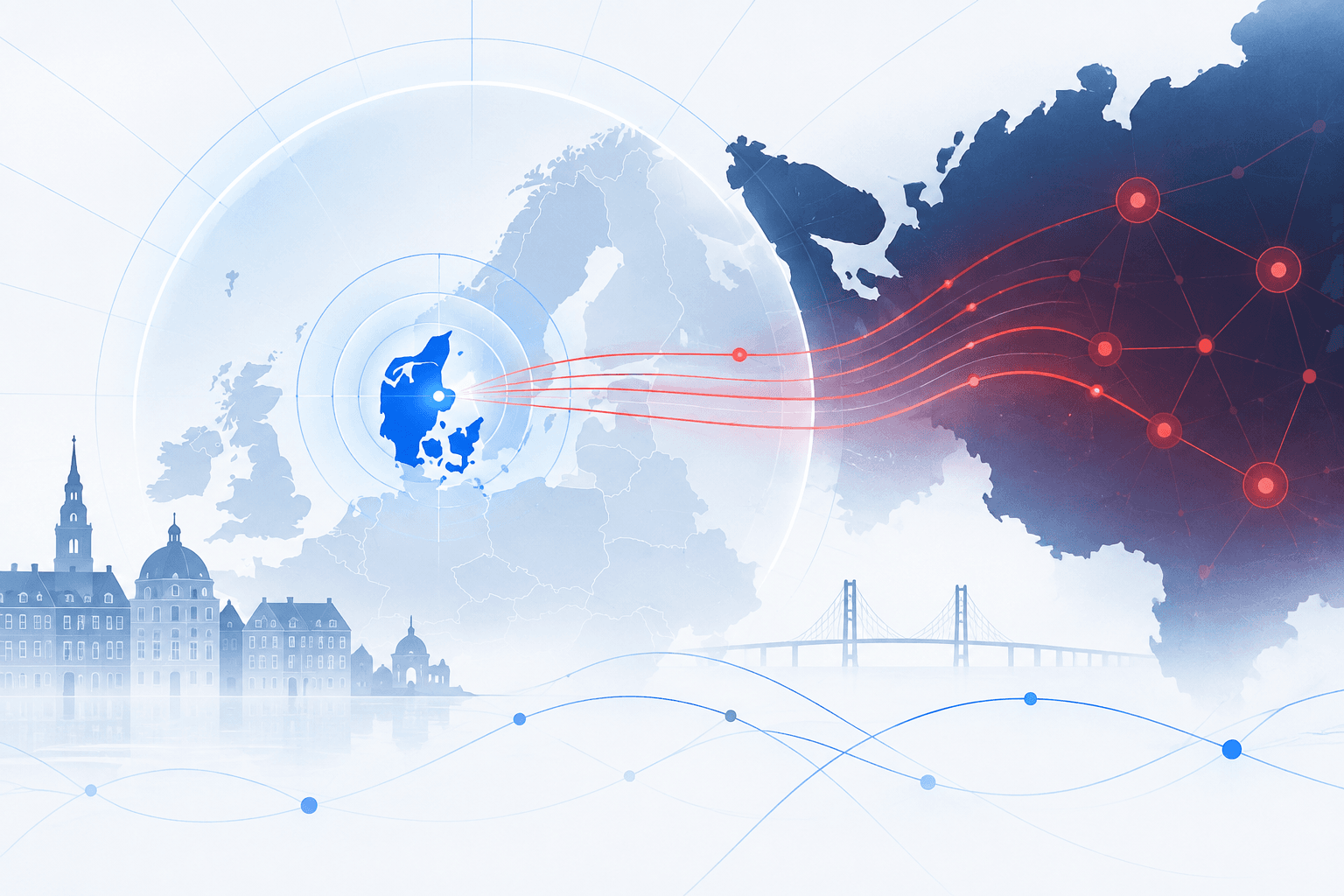
New analysis warns Russia is likely to escalate its opportunistic hybrid activity in Europe into a more coordinated campaign consistent with New Generation Warfare (NGW) doctrine, integrating cyber operations, influence activity, and sabotage across a broader geographic footprint and at higher tempo. The assessment anticipates more synchronized, multi-domain actions designed to degrade NATO cohesion and readiness—such as pairing physical disruption (for example, airspace violations affecting critical infrastructure like airports) with cyberattacks (for example, DDoS against communications) to amplify operational and psychological impact.
Ukrainian officials are simultaneously pushing for tighter regulation of Telegram, citing its repeated use by Russian intelligence to recruit locals for sabotage and terrorist attacks; the calls followed a deadly incident in Lviv that Ukrainian leadership attributed to Russia and said involved recruitment via Telegram. Separately, polling across major NATO countries indicates strong public support for treating severe hybrid actions—such as cyberattacks that shut down hospitals or power grids and sabotage of undersea cables or energy pipelines—as acts of war, highlighting a growing gap between public sentiment and NATO governments’ typically restrained responses to hybrid aggression.
Why it matters
Impact assessment
Russia-linked hybrid activity presents a material risk to NATO member states, Ukraine, and privately owned critical infrastructure operators across Europe, especially transportation, telecommunications, healthcare, water, energy, and military-adjacent sectors. The likely impact is operational disruption and psychological pressure rather than immediate mass destruction, but coordinated cyber, sabotage, and influence activity could still cause service outages, safety incidents, reputational damage, and political destabilization. The exposure is broad and region-wide, with observed activity already occurring in NATO territory and reporting indicating real-world incidents, though the cited assessment frames the most coordinated NGW-style escalation as a forecast rather than a confirmed current campaign.
Supporting details
- Affected geographies: NATO countries in Europe, with repeated references to Poland, Romania, Germany, the UK, Denmark, Norway, Estonia, Latvia, Lithuania, Finland, France, Czechia, Moldova, and Ukraine.
- Affected sectors: undersea telecommunications and power cables, water supply and distribution, transportation, airports, military facilities, healthcare, telecommunications, and energy infrastructure.
- User populations affected: civilians dependent on hospitals, power, communications, and transport; government institutions; election systems and public discourse; private-sector infrastructure owners.
- Severity drivers:
- Cyberattacks paired with physical disruption could amplify operational and psychological effects.
- Influence operations targeting EU and NATO cohesion can undermine crisis response and public trust.
- Sabotage and airspace violations near critical infrastructure increase risk of safety incidents and service interruption.
- Scope:
- Recorded Future assesses activity since 2022 has been increasingly aggressive but largely opportunistic.
- The forecasted next phase is a more deliberate, Europe-wide campaign using synchronized tactics while staying below likely Article 5 thresholds.
- Known incidents and observed activity:
- 30 suspected or confirmed airspace violations were tracked between September 2025 and January 2026.
- Russian sabotage operations reportedly quadrupled from 2023 to 2024.
- Ukrainian officials attributed the 2026 Lviv attack that killed one police officer and injured 25 others to Russia, with recruitment allegedly conducted via Telegram.
- Public polling across the US, Canada, France, Germany, and the UK shows majorities view severe cyberattacks on hospitals or power grids and sabotage of undersea cables or pipelines as acts of war, indicating high political sensitivity if disruptions occur.
Structured facts
- Entities:
- Russia
- NATO
- European Union
- Ukraine
- Telegram
- Security Service of Ukraine (SBU)
- Gazprom
- Allied Joint Force Command Brunssum
- Named persons:
- Vladimir Putin
- Valery Gerasimov
- Jens Stoltenberg
- Volodymyr Zelenskyy
- Ihor Klymenko
- Ivan Rudnytskyi
- Iryna Vereshchuk
- Yaroslav Yurchyshyn
- Dmitriy Medvedev
- Pavel Durov
- Viktor Medvedchuk
- Ilan Shor
- Nathan Gill
- Incident facts:
- Lviv attack on 2026-02-22 killed a 23-year-old police officer and injured 25 others.
- Poland and Romania were the most commonly targeted countries for suspected airspace violations since March 2022.
- Germany, Estonia, Latvia, Lithuania, and Poland were the most commonly targeted states for sabotage activity between January 2018 and June 2025.