Copyright and Training-Data Extraction Risks in Large Language Models
Emerging Technology Risk · 3 sources · Updated 5mo ago · First seen Feb 24, 2026
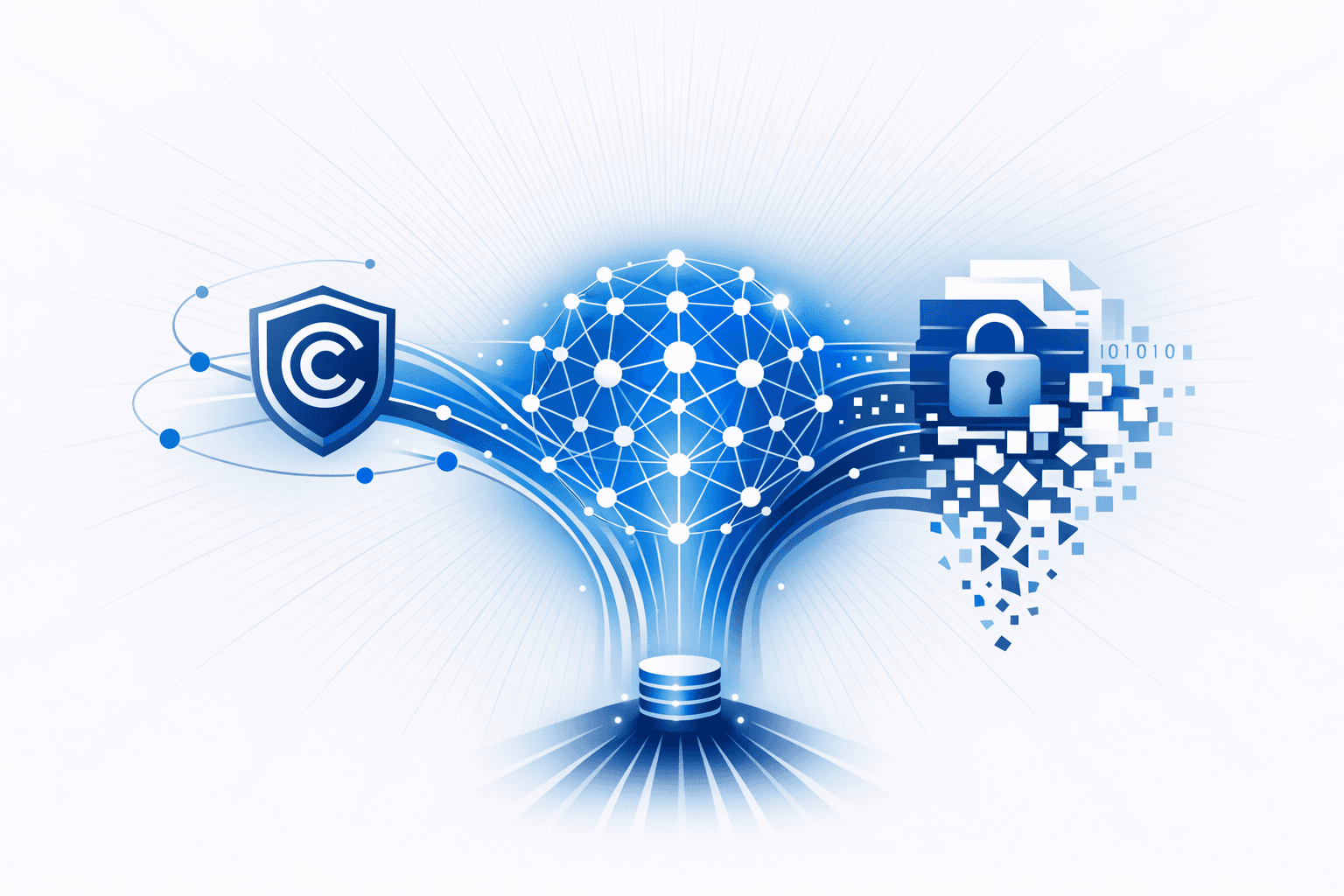
Research and legal reporting highlighted that LLMs can be induced to reproduce near-verbatim copyrighted text from their training data, raising both copyright and data-governance risk. Coverage cited a prior US court outcome involving Anthropic, where training on copyrighted works was treated as potentially transformative (fair use), but retaining pirated copies was characterized as infringing and reportedly contributed to a $1.5B settlement; separate reporting referenced a German decision finding infringement where a model memorized song lyrics. Anthropic disputed the practical exploitability of the demonstrated “jailbreaking” approach and reiterated that its models learn statistical patterns rather than storing exact dataset copies, while researchers and legal experts argued that full-book reproduction without special access controls would likely constitute copyright violation and could create liability depending on scale and safeguards.
Separately, Elon Musk publicly accused Anthropic of “stealing training data” at massive scale and claimed the company paid multi‑billion‑dollar settlements—an allegation framed as part of the broader industry dispute over web scraping, copyrighted inputs, and the ethics/legality of training data collection. A third report about the “Stargate” initiative described business and governance disputes delaying planned OpenAI/Oracle/SoftBank AI data centers and does not materially address training-data theft, model memorization, or copyright-extraction risk.
Why it matters
Impact assessment
This story is primarily a data-governance, legal, and model-safety exposure rather than a conventional network intrusion. Organizations developing, deploying, or integrating large language models are affected if their models can be induced to reproduce near-verbatim copyrighted or proprietary training data, creating copyright liability, contractual exposure, and reputational damage.
The impact can be severe for AI vendors, content owners, and enterprises handling sensitive corpora because successful extraction could expose copyrighted books, lyrics, internal documents, or licensed datasets at scale. The scope is broad across the AI ecosystem, but the demonstrated risk appears targeted to specific prompting or jailbreak conditions rather than indiscriminate exploitation in the wild.
Supporting details
- Affected entities:
- AI model developers and hosting providers
- Enterprises fine-tuning or deploying LLMs on proprietary datasets
- Publishers, authors, music rights holders, news organizations, and software developers
- End users relying on LLM outputs for compliant content generation
- Business impact:
- Copyright infringement claims from reproduced training data
- Data-governance failures if proprietary or restricted content is memorized and emitted
- Financial exposure from settlements, licensing disputes, and litigation costs
- Reputational harm tied to unsafe model behavior or unlawful data sourcing
- Scope and exposure:
- Industry-wide concern affecting models trained on large scraped corpora
- Higher risk where safeguards against memorization and extraction are weak
- Story does not establish widespread active abuse campaigns; it highlights demonstrated extraction risk and ongoing legal disputes
- Known incidents and legal context cited in the story:
- Reporting referenced a prior US court outcome involving Anthropic where training on copyrighted works was treated as potentially transformative, while retaining pirated copies was characterized as infringing
- Reporting referenced a German decision finding infringement where a model memorized song lyrics
- Musk publicly accused Anthropic of stealing training data at massive scale, but the story notes those financial claims are under scrutiny