Enterprise Security Risks From Agentic and Generative AI Deployments
Emerging Technology Risk · 3 sources · Updated 5mo ago · First seen Feb 23, 2026
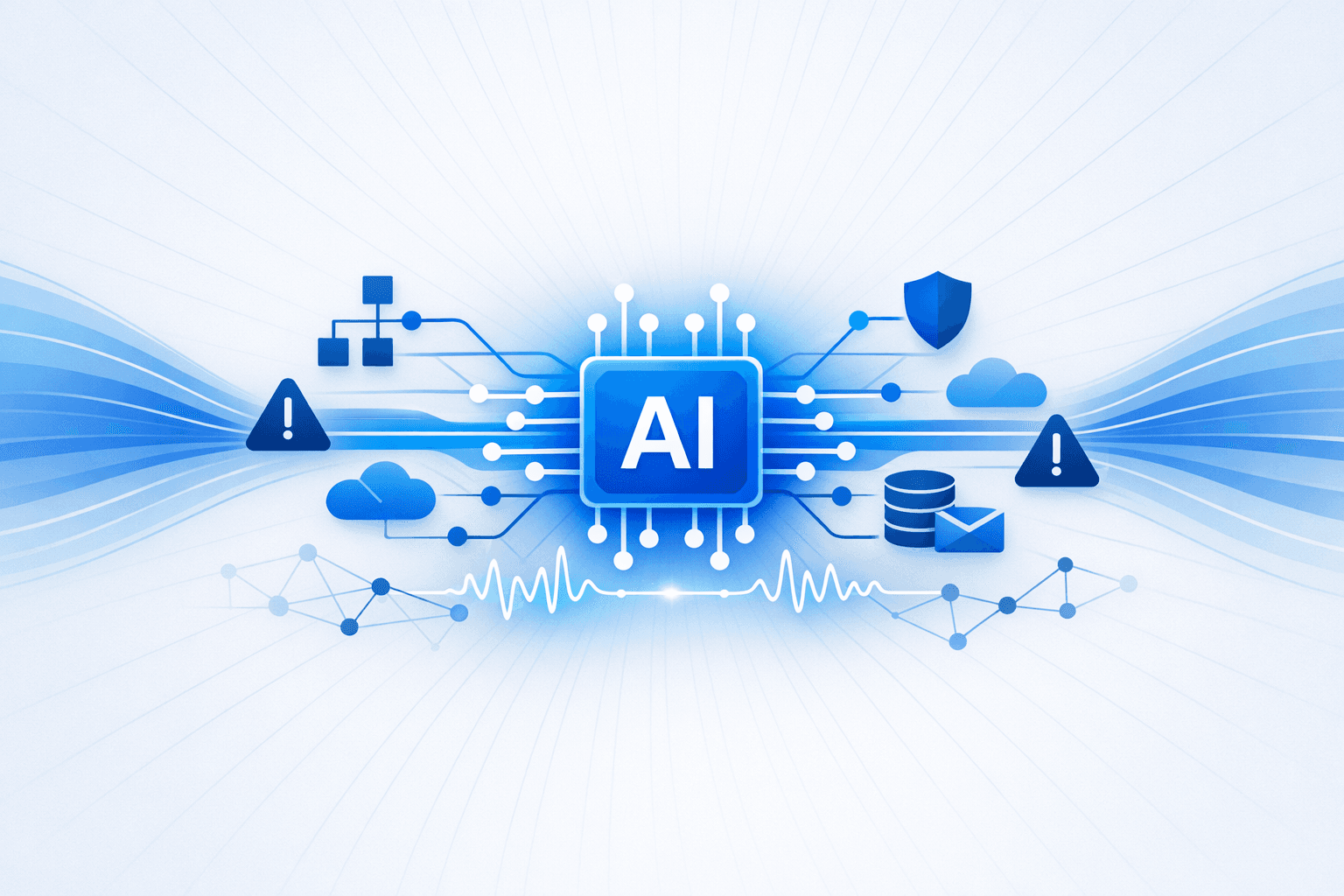
Enterprises are rapidly integrating agentic AI assistants with high-privilege connections to ticketing systems, source code repositories, chat platforms, and cloud dashboards, enabling actions such as opening pull requests, querying internal databases, and triggering automated workflows with limited human oversight. Reporting citing Cisco’s State of AI Security 2026 indicates many organizations are moving forward with these deployments despite low security readiness, expanding exposure across model interfaces, tool integrations, and the broader supply chain.
Multiple sources highlight that attacker techniques against AI systems are maturing, particularly prompt injection/jailbreaks and multi-turn attacks that exploit session state, memory, and tool-calling to drive unsafe actions or data leakage. Separately, adversaries are using generative AI for deepfake-enabled social engineering (including video/voice impersonation to bypass identity verification and authorize sensitive actions) and for scalable brand impersonation via malicious ad campaigns; one widely cited example involved Arup, where a deepfake video call led to authorization of a fraudulent HK$200 million transfer. Overall, the material is primarily risk and threat reporting (not a single incident), emphasizing that AI systems’ contextual behavior and privileged integrations create new control gaps that traditional security testing and defenses may not detect.
Why it matters
Impact assessment
Enterprise organizations deploying agentic or generative AI with access to internal systems are affected most directly, especially teams integrating assistants with ticketing platforms, source code repositories, chat systems, cloud dashboards, databases, and workflow automation. High-risk sectors called out in the reporting include finance, healthcare, retail, and organizations with remote identity-verification or support workflows.
The impact can be severe because these systems combine privileged access with contextual decision-making, creating paths to unauthorized actions, sensitive data exposure, fraudulent transactions, code modification, and lateral movement. Exposure is broad rather than limited to a single vendor flaw: the story describes ecosystem-wide risk across model interfaces, MCP tool integrations, AI supply chains, and human trust channels such as voice/video deepfakes.
Supporting details
- Cisco’s State of AI Security 2026 reportedly found only 29% of organizations were prepared to secure agentic AI deployments.
- Agentic AI deployments are described as increasingly authorized to open pull requests, query internal databases, trigger workflows, and modify code with limited human oversight.
- Prompt-injection and jailbreak techniques are described as maturing in 2025, with multi-turn attacks reportedly reaching up to 92% success across eight open-weight models.
- Known real-world harm includes the Arup fraud case, where a finance worker authorized a fraudulent HK$200 million transfer after a deepfake video call impersonating the UK-based CFO.
- Reported MCP-related incidents/examples include:
- A malicious GitHub issue injecting hidden instructions through an MCP server to hijack an agent and exfiltrate private-repository data.
- A counterfeit Postmark MCP Server silently BCC’ing processed emails to an attacker-controlled domain.
- A fake npm package mimicking an email integration and copying outbound messages to an attacker-controlled address.
- The scope is widespread because the reporting focuses on common deployment patterns and standardized protocols such as MCP, not a niche product-specific weakness.