Data exposures tied to third-party access and credential misuse in Ukraine and France
Breach & Incident Intelligence · 4 sources · Updated 5mo ago · First seen Feb 20, 2026
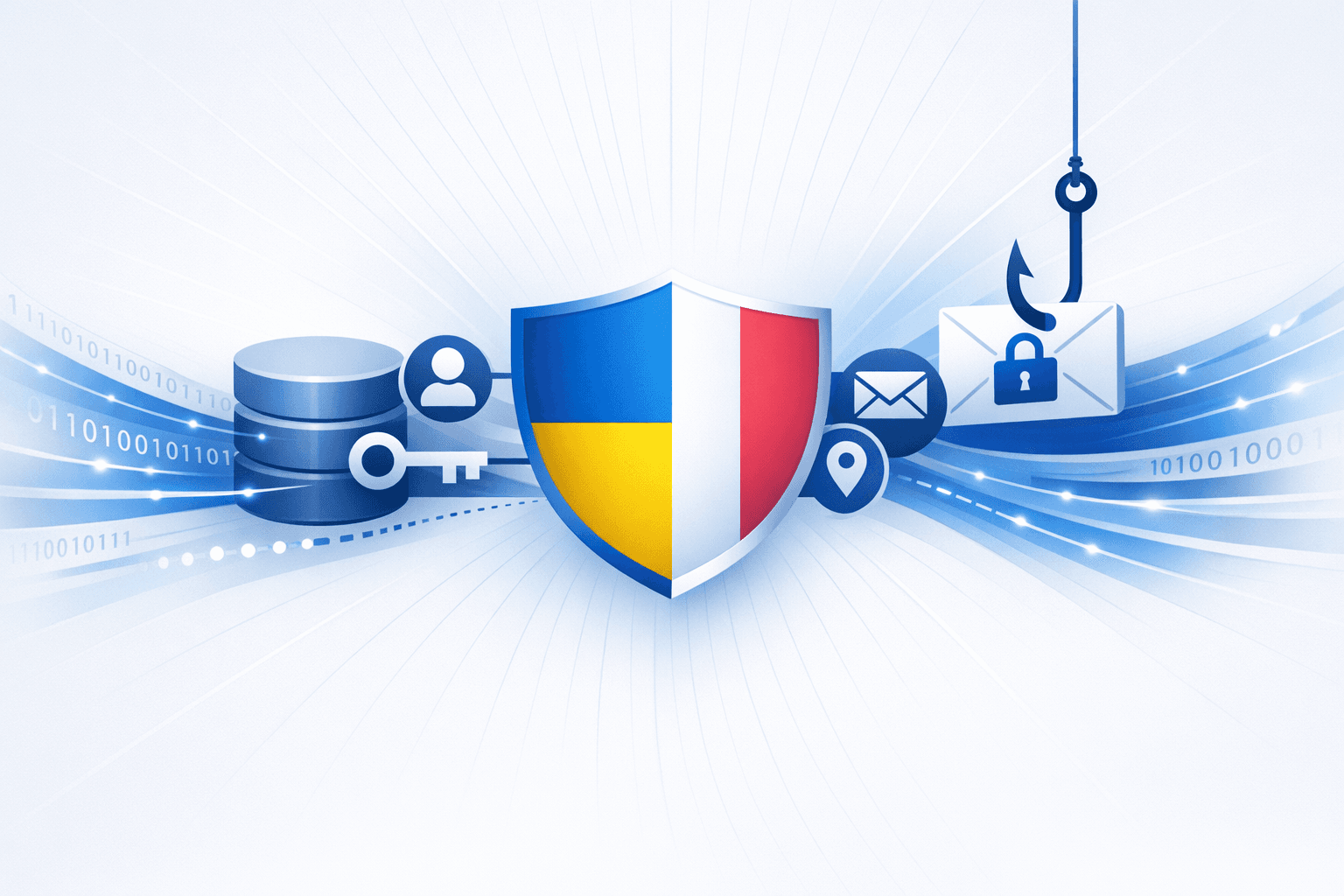
Ukraine’s National Bank (NBU) took its collectible coin/numismatic online store offline after a cyberattack against a supporting contractor potentially exposed customer registration data (names, phone numbers, emails, and delivery addresses). The NBU said core banking systems were not affected and no payment card or banking data was compromised, but warned the exposed PII could be leveraged for phishing and other follow-on fraud; the incident was described as consistent with a supply-chain intrusion path.
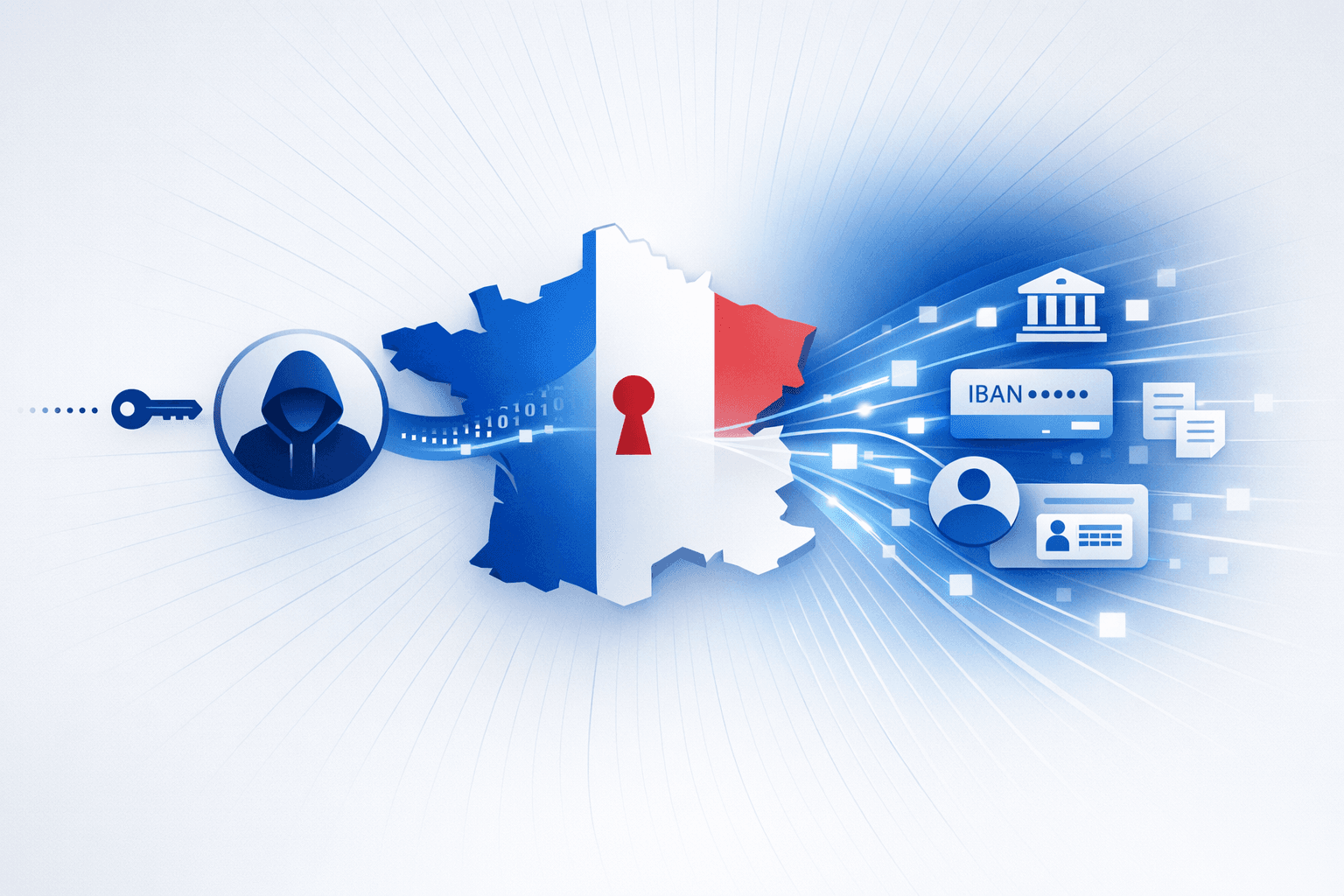
In France, authorities disclosed illegal access to a portion of the National Bank Accounts File (FICOBA)—a government database used for tax, customs, and law-enforcement purposes—after an attacker impersonated a civil servant and used valid credentials to query data. Officials said up to 1.2 million accounts may have been impacted, with exposed fields potentially including account numbers, names, addresses, and in some cases tax identifiers; DGFiP, supported by ANSSI, is investigating and notifying affected individuals while banks were alerted to heighten fraud/phishing monitoring. Separately, Safran Group denied being cyberattacked, stating that a leaked dataset containing “non-strategic” order/customer details was inadvertently exposed via a third-party provider, with external analysis suggesting the compromise occurred elsewhere in the supply chain rather than within Safran’s own systems.
Why it matters
Impact assessment
These incidents primarily affect public-sector financial data custodians, regulated financial institutions, and customers whose personal or banking-related data was exposed through third-party compromise or credential misuse. The immediate impact is elevated fraud, phishing, and identity-abuse risk rather than direct compromise of core banking platforms in the reported cases.
The Ukraine NBU incident appears limited in scope to the numismatic online store and its supporting contractor, with exposed data restricted to customer registration PII and no reported payment-card or banking-data loss. The France FICOBA incident is materially more severe due to the scale, sensitivity, and government-wide relevance of the dataset, with up to 1.2 million accounts affected and operational disruption to the registry itself.
Supporting facts
- National Bank of Ukraine (NBU) took its collectible coin/numismatic online store offline after a cyberattack affecting a supporting contractor.
- Potentially exposed NBU data: customer names, phone numbers, email addresses, and delivery addresses.
- NBU stated core banking systems were not affected.
- NBU stated no payment card data or other banking information was compromised.
- NBU characterized the incident as consistent with a supply-chain intrusion path involving a third party.
- NBU warned exposed PII could be used in phishing campaigns.
- France’s FICOBA incident affected a centralized state-managed registry used by tax, customs, and law-enforcement entities.
- French authorities said up to 1.2 million accounts may have been impacted.
- Exposed FICOBA data may include account numbers, names, addresses, IBANs/RIBs, and in some cases tax identifiers.
- FICOBA operations were disrupted, and restoration was ongoing with no return-to-service date reported.
- Banks in France were alerted to increase vigilance for downstream fraud and phishing.
- No public attribution was made for either incident.
- Known exploitation in the wild: yes, both stories describe confirmed unauthorized access and data exposure, not hypothetical risk.