Mallory
← Back to News
ai-enabled-threat-activityprivacy-surveillance-policyai-platform-security

Debate Over Generative AI Use in Security and Bug Bounty Ecosystems

Emerging Technology Risk · 2 sources · Updated 5mo ago · First seen Feb 20, 2026
Debate Over Generative AI Use in Security and Bug Bounty Ecosystems

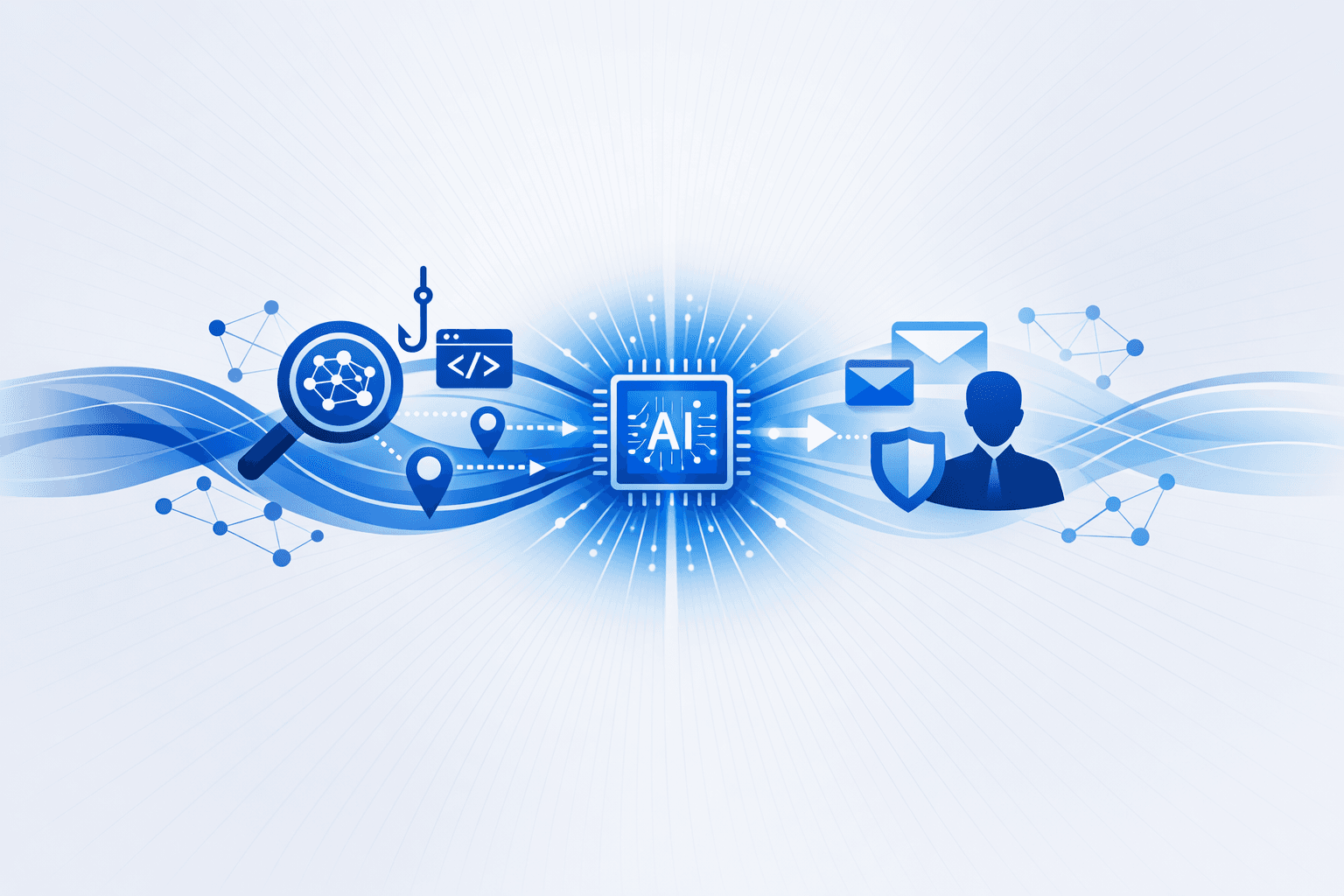
Security commentary highlighted how generative and agentic AI can accelerate attacker reconnaissance and highly tailored social engineering, while also creating defensive opportunities such as deploying AI-generated “decoy employees” (fake social profiles, CVs, and inboxes) to attract malicious profiling and phishing attempts and convert them into threat intelligence (e.g., identifying suspicious IPs/URLs and credential-stuffing activity). The same theme emphasized that AI’s impact is not purely additive for adversaries; defenders can use automation and deception to expose attacker infrastructure and tactics.

HackerOne faced public backlash from researchers who questioned whether bug bounty submissions and customer data were being used to train its new agentic pentesting offering (Agentic PTaaS) and its AI system (Hai). In response, CEO Kara Sprague stated that HackerOne does not train generative AI models—internally or via third parties—on researcher submissions or customer confidential data, and that third-party model providers are not permitted to retain or use such data for their own training; she positioned Hai as augmenting researchers by accelerating validation, fixes, and rewards rather than replacing them. A separate ZDNET piece was largely executive-level thought leadership on generative AI and critical thinking and did not add incident-level or technical security detail to the policy controversy.

Why it matters

Impact assessment

This story is primarily a strategic and policy discussion, not a newly disclosed active incident. The direct operational risk is limited for most organizations, but the Talos reference highlights that industrial operators using Socomec DIRIS M-70 gateways face potentially severe disruption risk if unpatched vulnerabilities are present.

What matters

  • Affected groups:
    • Security teams evaluating generative or agentic AI for defense operations
    • Bug bounty platforms, researchers, and customers concerned about AI training-data governance
    • Organizations operating Socomec DIRIS M-70 industrial gateways, especially in critical infrastructure, data centers, and healthcare
  • Severity:
    • AI-enabled reconnaissance and tailored phishing can increase social engineering effectiveness and attack speed
    • Exploitation of industrial gateway flaws could cause operational outages, process manipulation, financial loss, and equipment damage
    • The HackerOne controversy is primarily reputational, trust, and governance-related rather than a confirmed security breach
  • Scope:
    • The AI policy debate is broad and ecosystem-wide
    • The industrial-device exposure is narrower and product-specific
  • Exploitation in the wild:
    • No confirmed in-the-wild exploitation was provided for the Socomec vulnerabilities in this story
    • No incident-level compromise tied to HackerOne AI data use was reported

Structured facts

  • Entities:
    • Cisco Talos
    • HackerOne
    • Hai
    • Agentic PTaaS
    • Intigriti
    • Bugcrowd
    • Socomec
    • DIRIS M-70
    • UAT-9221
    • VoidLink
  • Business implications:
    • AI can accelerate attacker reconnaissance and social engineering
    • Defenders can use AI-generated deception personas to collect threat intelligence
    • Researcher backlash centered on whether bug bounty submissions or customer data were used to train AI systems
  • Reported positions:
    • HackerOne stated it does not train generative AI models on researcher submissions or customer confidential data
    • Third-party model providers are reportedly not permitted to retain or use such data for training

New surface, new adversariesTrack how attackers are adapting to this technology.
Track this risk
Event timeline

How this story unfolded

Events from the most recent confirmed update back to the earliest known activity.

7 events · Feb 18, 2026 – Feb 19, 2026
  1. Feb 19, 20269mo ago

    Talos identifies threat actor UAT-9221 using VoidLink framework

    Cisco Talos reported a newly identified threat actor, UAT-9221, operating with the VoidLink framework, and shared related malware hashes and detection names observed in Talos telemetry.

  2. Feb 19, 20269mo ago

    Talos publishes detection guidance for patched industrial gateway flaws

    Cisco Talos recommended that defenders apply the vendor patches and use updated Snort rulesets to detect potential exploitation related to the Socomec DIRIS M-70 vulnerabilities.

  3. Feb 19, 20269mo ago

    Socomec patches DIRIS M-70 vulnerabilities after responsible disclosure

    The six DIRIS M-70 vulnerabilities were responsibly disclosed to the vendor and patched, reducing the risk that attackers could exploit the industrial gateway to disrupt critical infrastructure, data centers, or healthcare operations.

  4. Feb 19, 20269mo ago

    Cisco Talos finds six flaws in Socomec DIRIS M-70 gateway

    Cisco Talos researchers identified six vulnerabilities in the Socomec DIRIS M-70 industrial gateway by emulating the device's Modbus protocol handling thread and using fuzzing and debugging tools.

  5. Feb 18, 20269mo ago

    Bug bounty platforms clarify AI and data-use policies

    Following the HackerOne controversy, other platforms including Intigriti and Bugcrowd clarified their policies, emphasizing researcher ownership of work and restricting third parties from training AI models on customer or researcher data.

  6. Feb 18, 20269mo ago

    HackerOne CEO says researcher and customer data is not used to train AI

    In response to the controversy, CEO Kara Sprague publicly stated that HackerOne does not train generative AI models on researcher submissions or customer confidential data, and that third-party model providers cannot retain or use that data for their own training.

  7. Feb 18, 20269mo ago

    HackerOne launches agentic PTaaS offering and faces researcher backlash

    HackerOne introduced its Agentic PTaaS offering, prompting concerns from security researchers that bug bounty submissions and related data might be used to train the company's AI systems.

Linked entities

Related entities

Vulnerabilities, threat actors, malware, products, organizations, breaches, and observables Mallory has linked to this story. Indicator values are masked here and available in full in the app.

Open in app →

Organizations

1 linked
HackerOne

Observables

10 linked

Indicator values are masked on this page. View all 10 in Mallory Domains, IPs, hashes, and URLs are exportable to your SIEM.

Do you run this?Follow how adversaries are adapting to this technology, and where it touches your stack today.
Track This Risk
Mallory platform

See the full picture, correlated to your attack surface.

This page covers what’s public. Mallory adds the parts that aren’t: which of your assets are affected, which threat actors are using it right now, and what to deploy next.

Exposure mappingMap indicators from this story to your assets and identify affected systems in minutes.
Threat actor evidenceEvery observed campaign, victim, and pivot linked to actors named in this story.
Associated malwareMalware, exploits, and IOCs connected to the activity described here.
Detection signaturesYARA, Sigma, and Snort rules deployed to your SIEM as soon as they’re published.
Scheduled alertsGet matching new stories delivered to your team as they break, not the next morning.
AI threadsAsk questions about this story and take action on the answers.