Mallory
← Back to News
enforcement-actioncybercrime-service-ecosystem

Cambodia Crackdown on Online Scam Centers and Transnational Fraud Compounds

Regulatory & Policy · 2 sources · Updated 5mo ago · First seen Feb 19, 2026

Cambodia Crackdown on Online Scam Centers and Transnational Fraud Compounds

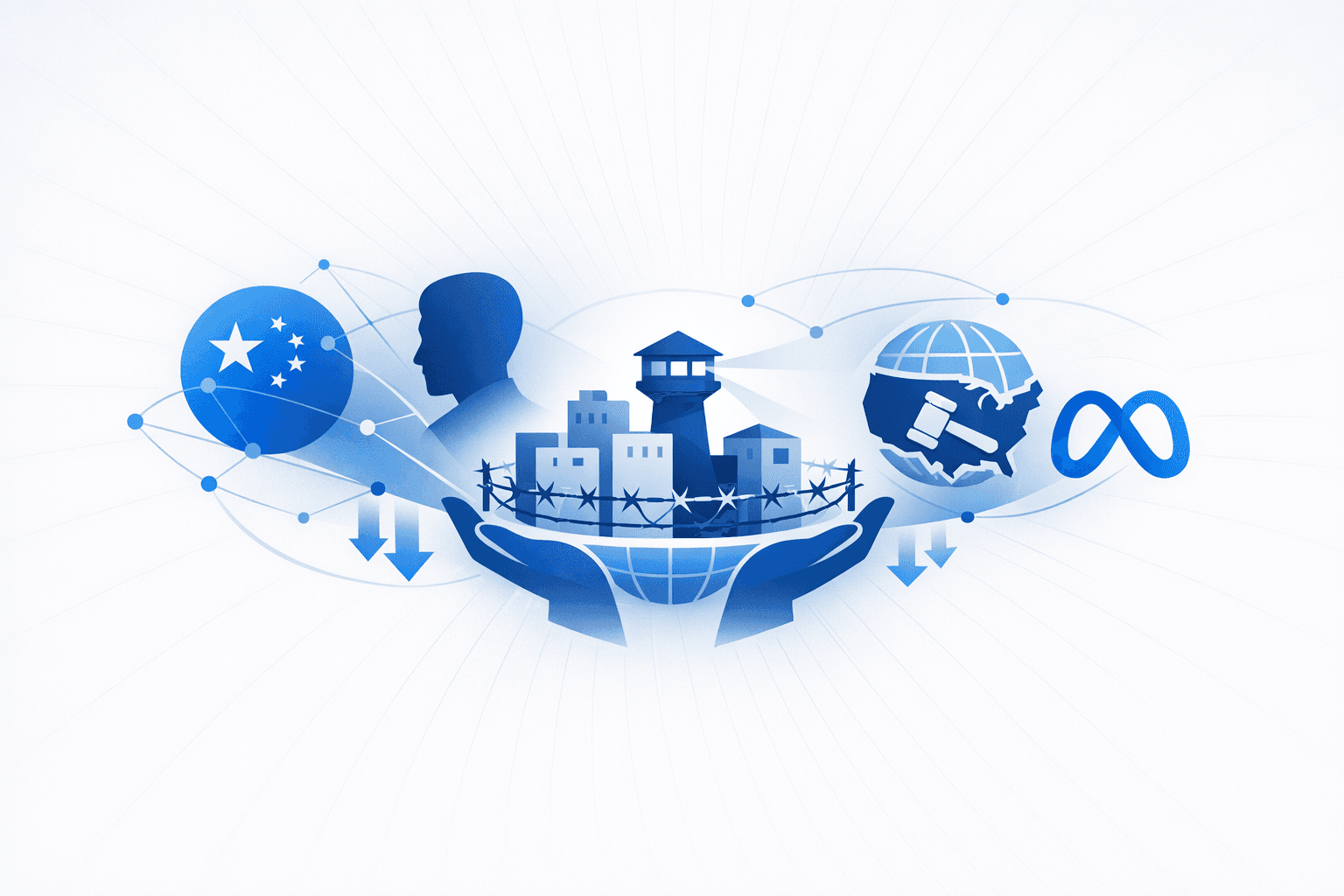
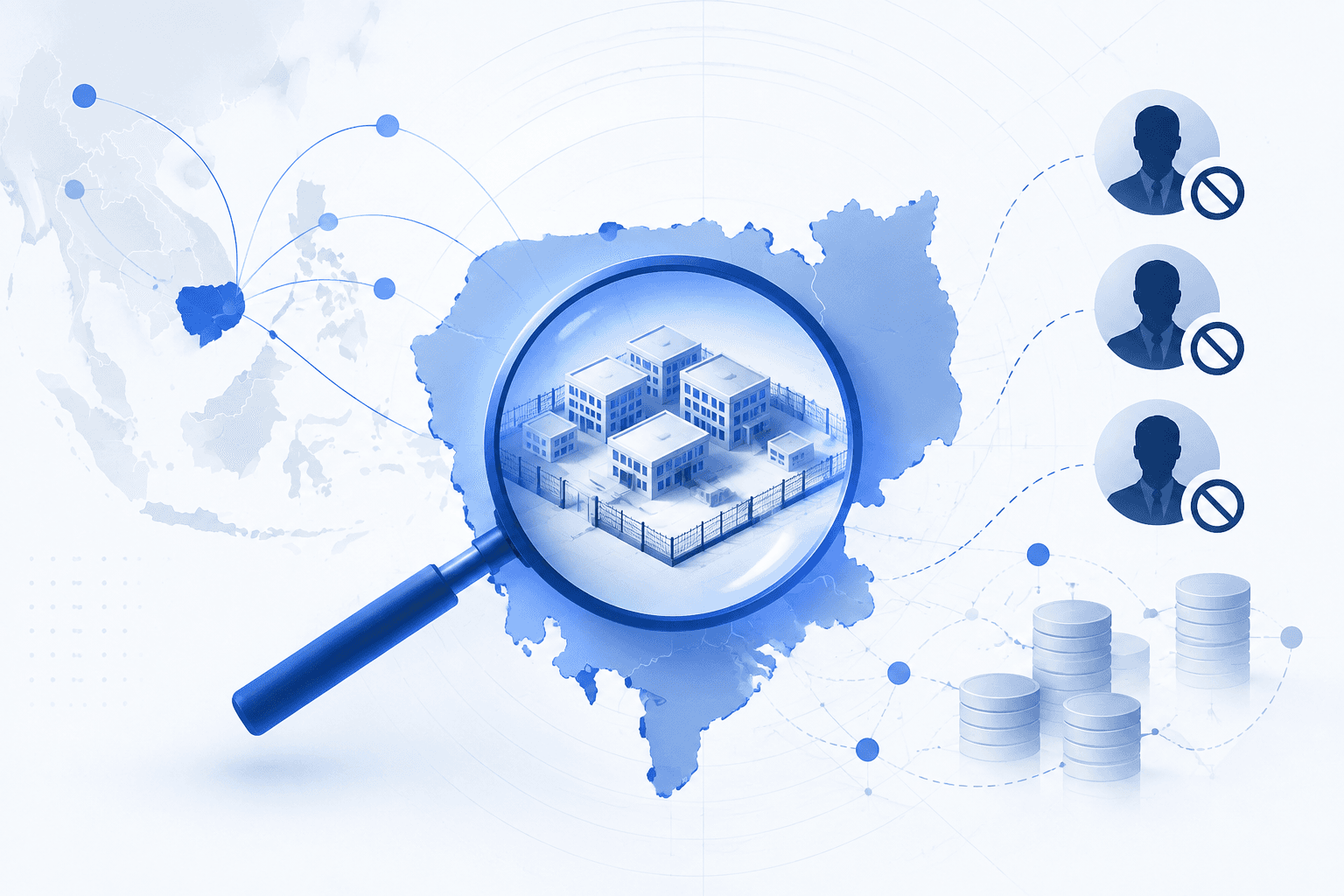
Cambodian authorities shut down 190 online scam centers as part of an intensified national crackdown on transnational fraud operations, according to government statements cited by Reuters. The enforcement action reportedly included the arrest of 173 senior figures and the deportation of roughly 11,000 foreign nationals, reflecting the scale and international composition of the scam-compound ecosystem operating in the country.

The reporting was published as part of an ISMG “breach roundup” that also briefly noted other, separate security developments (including the European Parliament disabling AI tools on lawmakers’ devices, a Notepad++ updater supply-chain exposure being patched, an Apple iOS zero-day fix, and emergency remediation for an actively exploited BeyondTrust RCE, among others). Those items were presented as additional headlines rather than as part of the Cambodia enforcement action.

Why it matters

Impact assessment

Cambodia’s crackdown highlights the scale and persistence of industrialized online fraud operations rather than a newly disclosed enterprise software flaw. Financial institutions, consumer brands, cryptocurrency users, and individuals targeted by romance and investment scams are the primary victim populations, while the story also underscores severe human impact through trafficked and forced labor inside scam compounds.

The impact is severe in aggregate: the U.S. Department of Justice alleged scam operations tied to Chen Zhi generated more than $30 million per day, indicating major financial losses and reputational harm across a broad, transnational victim base. The exposure is widespread and international, centered on Cambodia with activity concentrated in Phnom Penh and the southern half of the country, but affecting victims globally through online fraud campaigns.

Supporting facts

  • Cambodian authorities shut down 190 online scam centers.
  • Authorities arrested 173 senior figures and deported roughly 11,000 foreign nationals.
  • Reuters cited a senior Cambodian government official on the enforcement action.
  • Transnational criminal gangs used trafficked and forced workers to conduct romance and investment scams.
  • Amnesty International described the scam-compound ecosystem as a humanitarian crisis.
  • The DOJ alleged Chen Zhi oversaw at least 10 scam compounds in Cambodia since 2015.
  • The DOJ alleged those operations earned more than $30 million per day from cryptocurrency and romance fraud.
  • Chen Zhi was indicted by the DOJ in October 2025 on wire fraud conspiracy and money laundering conspiracy charges.
  • Chen Zhi was arrested and extradited to mainland China after Cambodia revoked his citizenship.

Analyst note

This is primarily a law-enforcement and cyber-enabled fraud disruption story. It does not describe a new vulnerability affecting defenders’ infrastructure, but it does reinforce the scale of scam-center operations that may target employees and customers across sectors.
What this changes for youSee the reporting duties and controls this puts on the clock.
Get the context
Event timeline

How this story unfolded

Events from the most recent confirmed update back to the earliest known activity.

9 events · Jun 1, 2024 – Feb 19, 2026
  1. Feb 19, 20269mo ago

    Dell patches RecoverPoint for VMs zero-day CVE-2026-22769

    Dell issued a patch for CVE-2026-22769 in RecoverPoint for VMs after reports that the zero-day had been exploited since mid-2024. The vulnerability was linked to suspected China-aligned intrusion activity.

  2. Feb 19, 20269mo ago

    BeyondTrust issues emergency patch for exploited RCE flaw

    BeyondTrust released emergency fixes for critical remote code execution vulnerability CVE-2026-1731. The flaw was reported as actively exploited at the time of disclosure.

  3. Feb 19, 20269mo ago

    Apple patches actively exploited iOS zero-day CVE-2026-20700

    Apple released a fix for CVE-2026-20700, a dyld flaw in iOS that was being actively exploited. The company said the bug was used as part of a sophisticated exploit chain.

  4. Feb 19, 20269mo ago

    SOCRadar reveals Operation DoppelBrand phishing campaign

    SOCRadar published details on Operation DoppelBrand, a phishing and initial-access campaign attributed to actor GS7. The operation used cloned portals and remote management tools to compromise victims and monetize access.

  5. Feb 19, 20269mo ago

    Notepad++ releases v8.9.2 with updater hardening

    Notepad++ released version 8.9.2 to strengthen the security of its software updater following supply-chain concerns. The release also fixed vulnerability CVE-2026-25926.

  6. Feb 19, 20269mo ago

    ShinyHunters claims Canada Goose customer data leak

    Threat actor ShinyHunters allegedly offered or extorted customer data said to belong to Canada Goose. Canada Goose disputed that the exposed data originated from its own systems.

  7. Feb 19, 20269mo ago

    European Parliament disables built-in AI tools on lawmakers' devices

    The European Parliament decided to disable built-in AI features on devices used by lawmakers. Officials cited cybersecurity, privacy, and data-sovereignty concerns, particularly around cloud-based processing.

  8. Feb 19, 20269mo ago

    Cambodia launches nationwide crackdown on scam centers

    Cambodian authorities carried out a large-scale crackdown on transnational online scam centers, shutting down 190 sites, arresting senior figures, and deporting about 11,000 foreign nationals. The action was also linked to concerns about trafficked and forced labor in scam compounds.

  9. Jun 1, 20242y ago

    Dell zero-day exploitation in RecoverPoint for VMs begins

    A suspected China-linked group, identified as UNC6201, reportedly began exploiting Dell RecoverPoint for VMs zero-day CVE-2026-22769 in the wild. The activity involved web shells and multiple malware families to maintain persistence on victim systems.

Linked entities

Related entities

Vulnerabilities, threat actors, malware, products, organizations, and breaches Mallory has linked to this story.

Open in app →

Organizations

1 linked
Prince Group
Do you run this?See what this changes for your reporting obligations and which controls it puts on the clock.
Get the Regulatory Context
Mallory platform

See the full picture, correlated to your attack surface.

This page covers what’s public. Mallory adds the parts that aren’t: which of your assets are affected, which threat actors are using it right now, and what to deploy next.

Exposure mappingMap indicators from this story to your assets and identify affected systems in minutes.
Threat actor evidenceEvery observed campaign, victim, and pivot linked to actors named in this story.
Associated malwareMalware, exploits, and IOCs connected to the activity described here.
Detection signaturesYARA, Sigma, and Snort rules deployed to your SIEM as soon as they’re published.
Scheduled alertsGet matching new stories delivered to your team as they break, not the next morning.
AI threadsAsk questions about this story and take action on the answers.