Debate Over Mobile OS Lockdown Measures to Reduce Malware and Targeted Attacks
Vulnerability Disclosure · 2 sources · Updated 5mo ago · First seen Feb 15, 2026
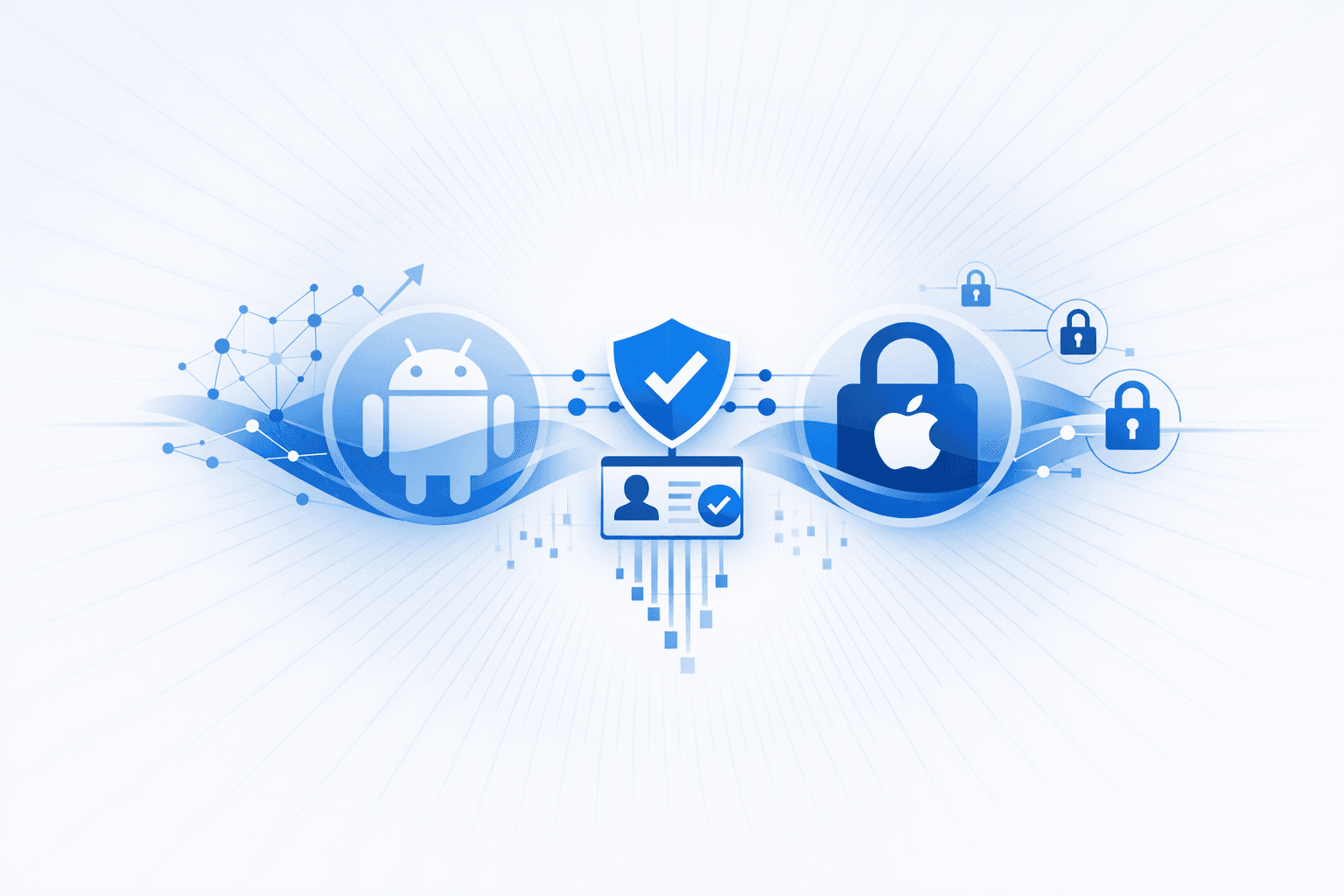
Discussion focused on whether stronger platform-level restrictions are necessary to curb mobile threats, contrasting Android’s openness with iOS’s “lockdown” approach. One thread highlights Google’s plan to require centralized developer registration/verification for apps installed on Android-certified devices (even if distributed outside Google Play), framed as a way to reduce malware and prevent repeat offenders from re-signing and redistributing blocked apps; it also notes Android’s recent mitigations such as Restricted Settings (Android 14) and Enhanced Confirmation Mode (Android 15) as partial technical barriers against common scam/phishing tactics.
Separately, iOS Lockdown Mode is presented as an extreme, reversible hardening option intended for high-risk users (e.g., journalists, activists) that reduces attack surface by disabling or restricting features (e.g., most message attachments/link previews, certain web technologies, incoming FaceTime from unknowns, accessory connections while locked, non-secure Wi‑Fi, and installation of device management profiles). The article cites reporting that a seized journalist phone could not be accessed using law-enforcement forensic tooling when Lockdown Mode was enabled, underscoring how aggressive feature reduction can materially impede both targeted exploitation and post-seizure forensic access.
Why it matters
Impact assessment
This story describes platform hardening measures rather than a newly disclosed vulnerability or active campaign. The primary affected populations are Android users exposed to sideloaded or third-party app ecosystems, especially in regions with elevated mobile malware prevalence, and high-risk iPhone users such as journalists, activists, and politicians who face targeted spyware or device seizure risks.
The impact is potentially significant but mostly preventive: stronger Android app publisher verification could reduce commodity malware and repeat-abuse distribution, while iOS Lockdown Mode can materially reduce attack surface and impede both targeted exploitation and post-seizure forensic access. The scope is broad at the platform-policy level for Android-certified devices if Google proceeds with enforcement, while iOS Lockdown Mode remains an opt-in control for a narrower high-risk population; the story cites a reported real-world incident where FBI forensic access to a seized journalist device was blocked when Lockdown Mode was enabled.
Supporting facts
- Entities: Google, Apple, Google Play Protect, FBI, Washington Post, keepandroidopen.org.
- Android discussion centers on Android-certified devices and app installation from Google Play, third-party app stores, and direct downloads.
- The content claims Google announced in August 2025 a centralized developer registration requirement for apps installed on Android-certified devices, with enforcement beginning in late 2026.
- The stated Android objective is to reduce malware and prevent repeat offenders from rebuilding, re-signing, and redistributing blocked apps.
- The content cites Southeast Asia as a region frequently associated with elevated Android malware concerns.
- iOS Lockdown Mode is positioned for high-risk users facing targeted attacks rather than the general population.
- Reported incident: court records allegedly showed FBI agents could not extract data from a seized iPhone belonging to a Washington Post journalist because Lockdown Mode was enabled.