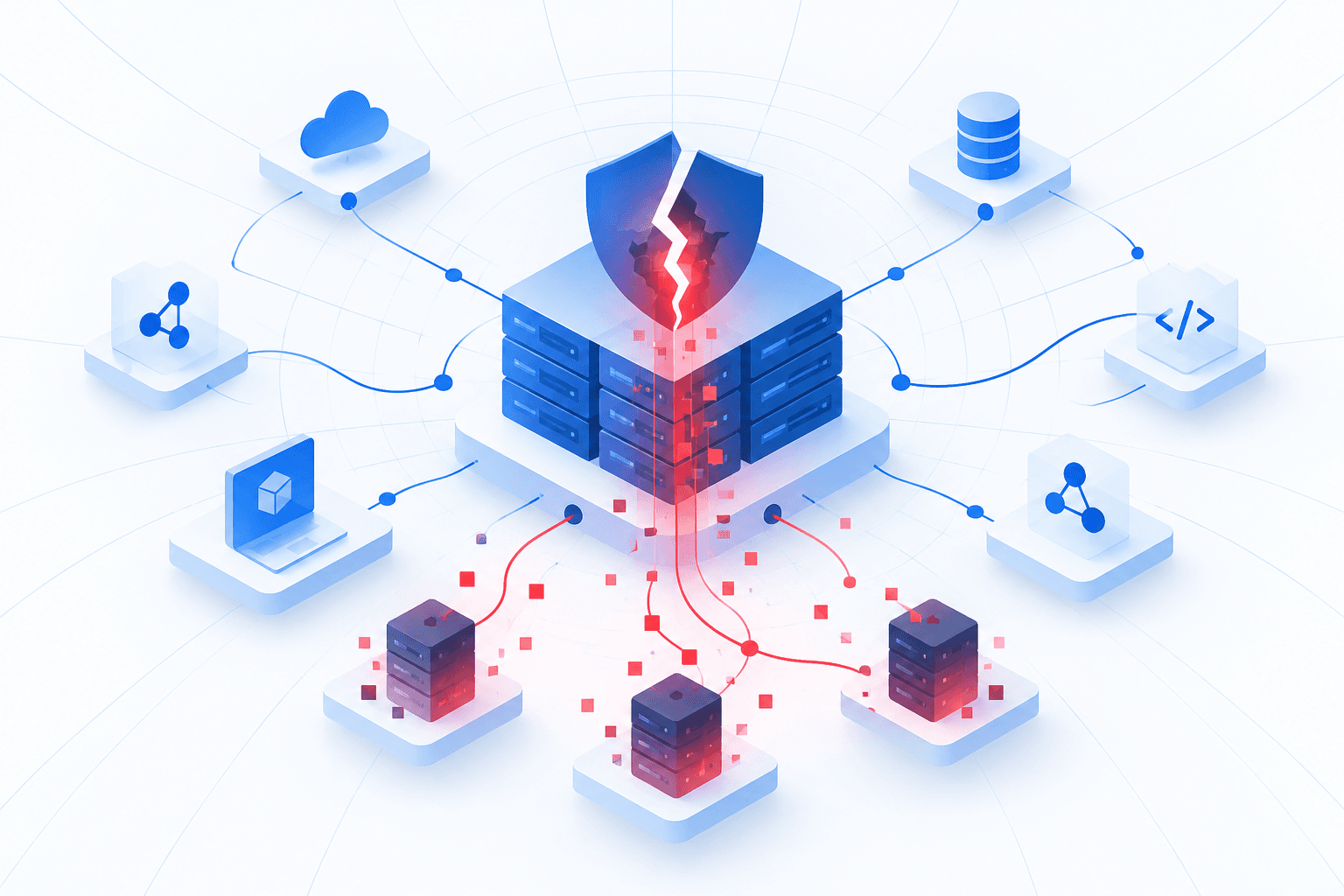
Insecure Public Exposure of Self-Hosted AI Infrastructure (Ollama and MCP Servers)
Attack Surface Exposure · 2 sources · Updated 5mo ago · First seen Feb 7, 2026

Security researchers and media reporting highlighted widespread public exposure of self-hosted AI infrastructure caused by rushed, poorly governed deployments. Reporting cited 14,000+ internet-accessible Ollama inference servers, with one analysis estimating ~20% hosting models susceptible to unauthorized access, and separate findings identifying 10,000+ Ollama servers exposed without any authentication—often due to developers binding services to all interfaces or standing up local inference/gateway components (e.g., LiteLLM, vLLM) outside normal asset inventories. The net effect is “shadow AI” that creates material blind spots for security teams and increases the likelihood of unauthorized model access, data exposure, and abuse of internal AI services.
In parallel, enterprise adoption of Model Context Protocol (MCP) servers—which bridge LLMs to internal tools and data—has introduced similar exposure risk when deployed without access controls. Guidance and analysis noted that MCP, introduced as an open standard without native role restrictions, leaves security implementation to operators; researchers reportedly identified nearly 2,000 MCP servers on the open web with no security controls, increasing risk of unauthorized access, data loss, and potentially arbitrary command execution via overly privileged integrations. A vendor announcement positioned an AI-agent governance platform (MintMCP) as a response to these visibility and control gaps (audit trails, policy enforcement, access controls), but it primarily serves as product marketing rather than independent incident reporting.
Why it matters
Impact assessment
Publicly exposed self-hosted AI infrastructure affects organizations deploying Ollama inference servers, MCP servers, and adjacent AI gateway components such as LiteLLM and vLLM, especially where deployments bypass standard asset management and access-control processes. The primary risks are unauthorized model access, exposure of prompts and connected enterprise data, abuse of compute resources, and potential downstream compromise where MCP integrations can invoke internal tools or commands.
The exposure appears widespread rather than narrowly targeted. Reporting cites more than 14,000 internet-accessible Ollama servers, more than 10,000 exposed without authentication, and nearly 2,000 MCP servers on the public internet with no security controls; the story does not provide confirmed exploitation incidents in the wild, but the attack surface is materially exposed and immediately discoverable.
Supporting details
- Affected populations:
- Enterprises and development teams self-hosting AI inference or agent infrastructure
- Organizations using Ollama for local/private model serving
- Organizations deploying MCP servers to connect LLMs with internal tools and data
- Teams operating LiteLLM or vLLM outside formal security governance
- Business impact:
- Unauthorized access to proprietary models and AI services
- Exposure of prompts, context, and potentially sensitive enterprise data reachable through MCP integrations
- Operational disruption from abuse of inference capacity or unauthorized tool execution
- Reputational and compliance risk from shadow AI deployments outside inventory and policy controls
- Scope:
- Broad internet exposure across thousands of hosts
- Elevated risk in environments where developers bind services to all interfaces or deploy ad hoc gateways
- Known exploitation status:
- No specific confirmed exploitation campaign or incident set is cited in the story
- Exposure conditions are sufficient for opportunistic abuse by unauthenticated internet users