Mallory
← Back to News
breach-disclosure-notificationhealthcare-sector-threatthird-party-vendor-breachmass-credential-exposure

Delayed patient notifications following healthcare data breaches at providers and vendors

Breach & Incident Intelligence · 3 sources · Updated 5mo ago · First seen Feb 3, 2026
Delayed patient notifications following healthcare data breaches at providers and vendors

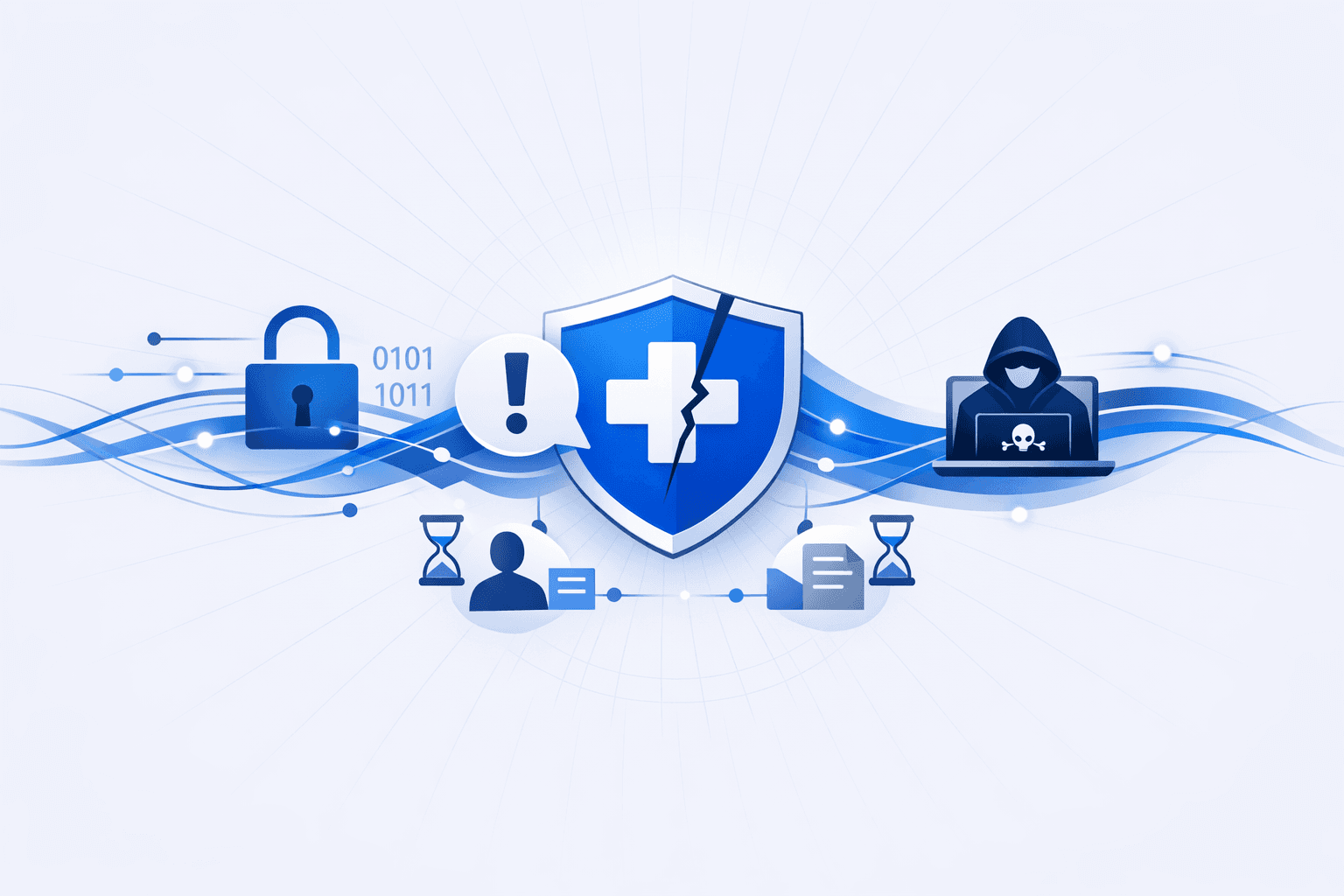
Multiple healthcare organizations and vendors reported delayed patient notifications after discovering unauthorized access to protected health information (PHI), in some cases more than a year after the underlying compromise. In Colorado, Alpine Ear, Nose, and Throat (Alpine ENT) notified 65,648 individuals that an attacker accessed and exfiltrated files containing PHI in an incident identified on Nov. 19, 2024; the BianLian ransomware group later claimed responsibility and posted the organization to its leak site. Exposed data was described as highly sensitive, including medical information and, for some individuals, financial account data and payment card details (including CVC/expiration) and Social Security numbers; Alpine ENT reported no confirmed identity theft at the time of notification and offered credit monitoring.

Separately, Bayada Home Health Care disclosed exposure risk tied to a third-party vendor (Doctor Alliance) after Doctor Alliance reported unauthorized network access during Oct.–Nov. 2025, potentially affecting Home Health Certification and Plan of Care forms containing patient identifiers and clinical/insurance details (and SSNs for a subset). Bayada said it discontinued using Doctor Alliance and reported the matter to regulators. In another vendor-related incident, TriZetto Provider Solutions (Cognizant)—an insurance verification provider—suffered a cyberattack impacting PHI across multiple states; Oregon providers began notifying additional patients after the breach was reported as occurring in Nov. 2024 but not discovered until Oct. 2, 2025, with no financial data reportedly compromised and no evidence of misuse so far; the incident has prompted class-action lawsuits, engagement of Mandiant, and law enforcement notification.

Why it matters

Impact assessment

Multiple U.S. healthcare providers and healthcare service vendors are affected, including direct care organizations, benefit administration firms, insurance verification providers, and downstream patients whose PHI was handled by third parties. The impact is high because exposed data includes PHI, Social Security numbers, payment card data, financial account data, insurance details, and treatment information, creating sustained risk of identity theft, medical fraud, regulatory action, and litigation.

The scope is broad rather than isolated: Alpine ENT alone notified 65,648 individuals, TriZetto Provider Solutions affected hundreds of thousands across multiple states, and additional provider notifications are still expanding. There are known signs of criminal exploitation in at least one case, with BianLian claiming the Alpine ENT intrusion and posting the victim on its leak site; other cases currently report no confirmed misuse but show long detection and notification delays that increase exposure duration.

Supporting facts

  • Affected entities:
    • Alpine Ear, Nose, and Throat, Fort Collins, Colorado
    • The Phia Group, Canton, Massachusetts
    • Community Health Northwest Florida
    • Bayada Home Health Care, New Jersey-based, serving 22 U.S. states
    • Doctor Alliance, Bayada vendor
    • TriZetto Provider Solutions, owned by Cognizant
  • Patient and member data exposed across incidents included:
    • Names
    • Dates of birth
    • Social Security numbers
    • Medical and treatment information
    • Health insurance information
    • Driver’s license and state ID numbers
    • Financial account information
    • Credit and debit card data, including CVC and expiration dates in the Alpine ENT case
  • Scale and timing:
    • Alpine ENT notified 65,648 individuals
    • TPS affected hundreds of thousands of patients across multiple states
    • Oregon notifications tied to TPS include about 1,300 patients at Deschutes County Health Services, 1,650 at Best Care, and 1,200 at La Pine Community Health Center
    • Several incidents involved notification delays of roughly a year or more after compromise or discovery
  • Business and legal consequences:
    • Class-action lawsuits were filed against Cognizant related to the TPS breach
    • Bayada reported the vendor incident to state attorneys general and HHS OCR
    • Multiple organizations offered credit monitoring and identity theft protection, indicating material consumer harm potential
Is this vendor in your chain?See attribution, scope, and your downstream exposure.
Check the blast radius
Event timeline

How this story unfolded

Events from the most recent confirmed update back to the earliest known activity.

13 events · Jul 8, 2024 – Feb 3, 2026
  1. Feb 3, 202610mo ago

    Marion County Public Health reports insider overaccess incident

    Marion County Public Health Department in Indiana disclosed that an employee accessed more patient information than necessary, affecting 792 clients. The department said it found no evidence of misuse and responded with additional HIPAA training and stronger technical safeguards.

  2. Feb 3, 202610mo ago

    Bayada discloses Doctor Alliance third-party breach

    Bayada Home Health Care disclosed that a breach at vendor Doctor Alliance may have exposed extensive medical, insurance, and in some cases Social Security information. Bayada said it stopped using the vendor and reported the incident to state attorneys general and HHS OCR.

  3. Feb 2, 202610mo ago

    Oregon providers notify patients tied to TriZetto breach

    Deschutes County Health Services, Best Care, and La Pine Community Health Center sent breach notifications to thousands of Oregonians affected by the TriZetto incident.

  4. Jan 26, 202610mo ago

    Community Health Northwest Florida begins notifying patients

    Community Health Northwest Florida started notifying affected individuals on January 26, 2026 after an extended review to determine whose data was impacted.

  5. Jan 1, 202611mo ago

    Alpine ENT, The Phia Group, and CHNW Florida notify affected individuals

    In January 2026, Alpine ENT, The Phia Group, and Community Health Northwest Florida began notifying patients or other affected individuals about their 2024 incidents and offered credit monitoring or identity protection services.

  6. Dec 1, 20251y ago

    Doctor Alliance suffers unauthorized network access windows

    Doctor Alliance reported that an unauthorized party accessed its network during two separate periods in late 2025, creating possible exposure of patient forms and related protected health information handled for clients such as Bayada.

  7. Oct 2, 20251y ago

    TriZetto discovers the 2024 breach

    TriZetto Provider Solutions discovered the breach on October 2, 2025, indicating a lengthy gap between the intrusion and detection. Cognizant later engaged Mandiant and notified law enforcement.

  8. Dec 24, 20242y ago

    Community Health Northwest Florida identifies unauthorized access

    Community Health Northwest Florida tied unauthorized access to patient files to suspicious activity identified on December 24, 2024.

  9. Dec 1, 20242y ago

    BianLian claims Alpine ENT attack

    The BianLian ransomware group claimed responsibility for the Alpine ENT incident and posted the victim on its leak site in early December 2024.

  10. Nov 19, 20242y ago

    Alpine ENT identifies data exfiltration incident

    Alpine Ear, Nose, and Throat identified a security incident on November 19, 2024 in which an unauthorized party accessed and exfiltrated patient files.

  11. Nov 1, 20242y ago

    TriZetto breach reportedly occurs in November 2024

    TriZetto Provider Solutions said the underlying breach occurred in November 2024, exposing protected health information and other personal data of patients across multiple states.

  12. Jul 9, 20242y ago

    The Phia Group detects the intrusion

    The Phia Group detected the network intrusion on July 9, 2024 and later began assessing what data may have been acquired.

  13. Jul 8, 20242y ago

    The Phia Group network intrusion occurs

    The Phia Group said unauthorized access to its network occurred between July 8 and July 9, 2024, potentially exposing sensitive personal and health information.

Linked entities

Related entities

Vulnerabilities, threat actors, malware, products, organizations, and breaches Mallory has linked to this story.

Open in app →

Organizations

6 linked
Doctor AllianceBayada Home Health CareTriZetto Provider SolutionsDeschutes County Health ServicesBest CareAlpine Ear Nose & Throat
Do you run this?See attribution, scope, and whether this vendor sits anywhere in your supply chain.
Get the Full Incident Picture
Mallory platform

See the full picture, correlated to your attack surface.

This page covers what’s public. Mallory adds the parts that aren’t: which of your assets are affected, which threat actors are using it right now, and what to deploy next.

Exposure mappingMap indicators from this story to your assets and identify affected systems in minutes.
Threat actor evidenceEvery observed campaign, victim, and pivot linked to actors named in this story.
Associated malwareMalware, exploits, and IOCs connected to the activity described here.
Detection signaturesYARA, Sigma, and Snort rules deployed to your SIEM as soon as they’re published.
Scheduled alertsGet matching new stories delivered to your team as they break, not the next morning.
AI threadsAsk questions about this story and take action on the answers.