Hacktivist Cyber Operations Escalate Amid Geopolitical Tensions
Threat Actor Intelligence · 3 sources · Updated 5mo ago · First seen Feb 2, 2026
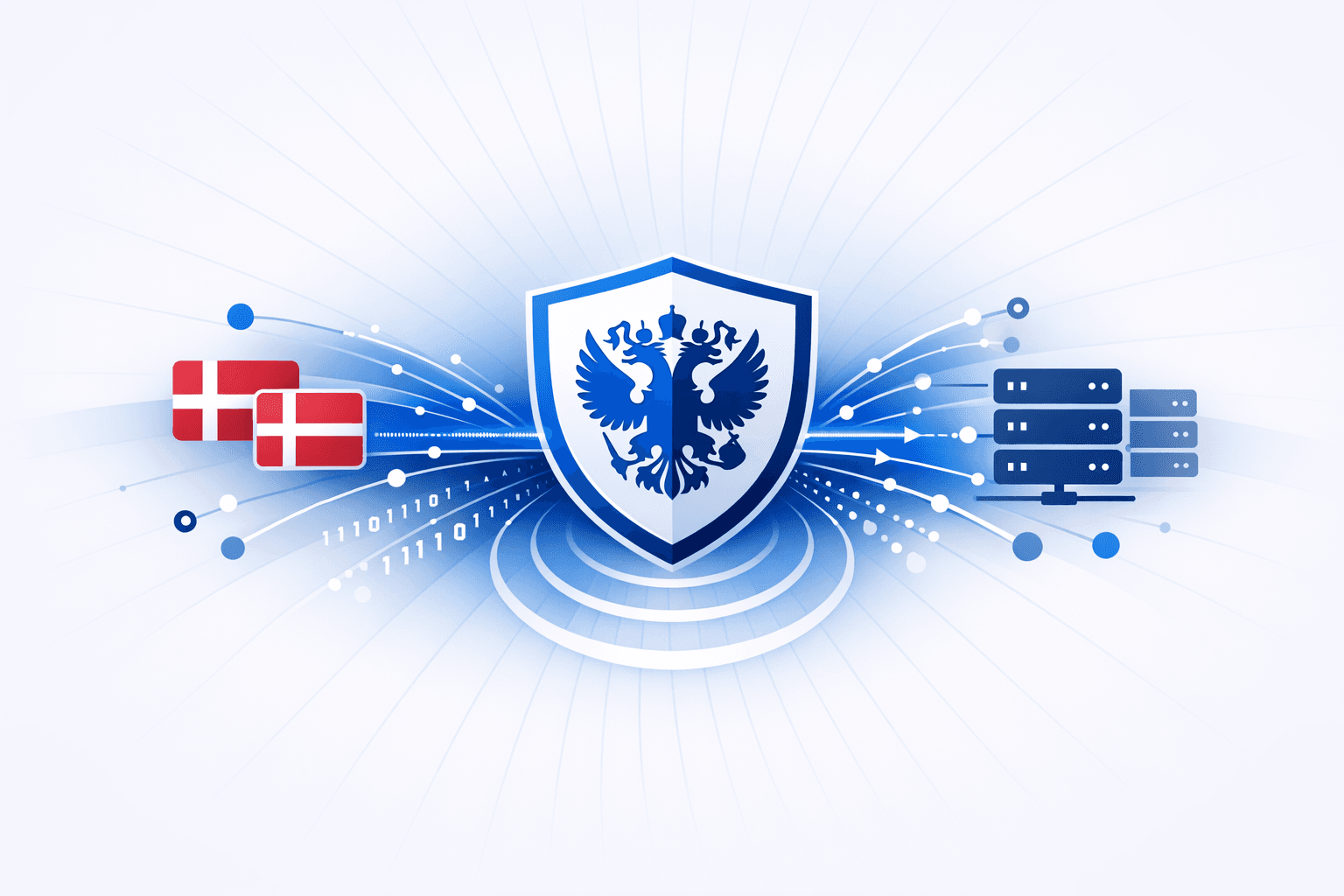
A newly formed Russian-aligned hacktivist coalition calling itself Russian Legion (reportedly comprising Cardinal, The White Pulse, Russian Partizan, and Inteid) announced “OpDenmark,” a campaign of DDoS attacks intended to disrupt Danish government services and critical infrastructure and pressure Denmark to reverse military support for Ukraine. Reporting indicates the group issued an ultimatum tied to Denmark’s planned 1.5 billion DKK aid package, followed by service disruptions across multiple Danish organizations, including repeated targeting of the energy sector; analysts characterized the actor as state-aligned but not state-funded, using disruption and psychological pressure rather than confirmed destructive intrusions.
Separately, a new hacktivist group, Punishing Owl, claimed a breach of a Russian government security agency, publishing stolen documents and using DNS manipulation to redirect traffic to attacker-controlled infrastructure hosting the leak and a manifesto. The operation reportedly expanded into business email compromise against partners/contractors and included tooling such as the ZipWhisper PowerShell stealer, with lures using password-protected ZIPs and disguised LNK files to execute PowerShell downloaders. An additional opinion piece highlighted a broader rise in energy infrastructure cyber operations (including referenced events affecting Poland and Venezuela) but did not provide corroboration or direct linkage to the Denmark DDoS campaign or the Punishing Owl intrusion.
Why it matters
Impact assessment
Russian Legion's OpDenmark affects Danish government entities, private companies, and especially energy-sector organizations, with at least one healthcare-related service, sundhed.dk, reportedly subjected to preliminary disruption. The immediate impact is operational disruption and public pressure through DDoS and intimidation rather than confirmed destructive compromise, but the campaign explicitly threatens escalation beyond service outages.
Punishing Owl's activity affects Russian government agencies and downstream partners and contractors through follow-on business email compromise. The impact is more severe at the victim level because it includes confirmed document leakage, credential theft, partner targeting, and reputational damage; however, the scope appears targeted rather than indiscriminate.
Supporting facts
- Russian Legion is a newly formed Russian-aligned hacktivist coalition reportedly comprising Cardinal, The White Pulse, Russian Partizan, and Inteid.
- Russian Legion launched OpDenmark to pressure Denmark to reverse a planned 1.5 billion DKK military aid package to Ukraine.
- Reported targets included Danish public-sector organizations, private firms, government infrastructure, and repeated targeting of the energy sector.
- Inteid reportedly conducted preliminary attacks against sundhed.dk, indicating potential disruption to healthcare-related online services.
- Truesec assessed Russian Legion as state-aligned but not directly state-funded.
- Reported effects were service disruptions and websites taken offline, consistent with DDoS activity and psychological operations.
- No confirmed destructive intrusions were described in the Denmark campaign, but the actor threatened to escalate into "real cyberattacks."
- Punishing Owl claimed a successful breach of a Russian government security agency on 2025-12-12.
- Punishing Owl published stolen internal documents and mirrored them on Mega.nz, increasing exposure and reputational harm.
- Punishing Owl expanded operations into partners and contractors via BEC, increasing secondary victim exposure.
- Known exploitation in the wild is described for both stories: active DDoS disruptions in Denmark and a completed intrusion, leak, and credential-theft campaign by Punishing Owl.