ShinyHunters SaaS Data Theft via Vishing-Enabled SSO Credential and MFA Capture
Social Engineering & Fraud · 20 sources · Updated 5mo ago · First seen Jan 31, 2026
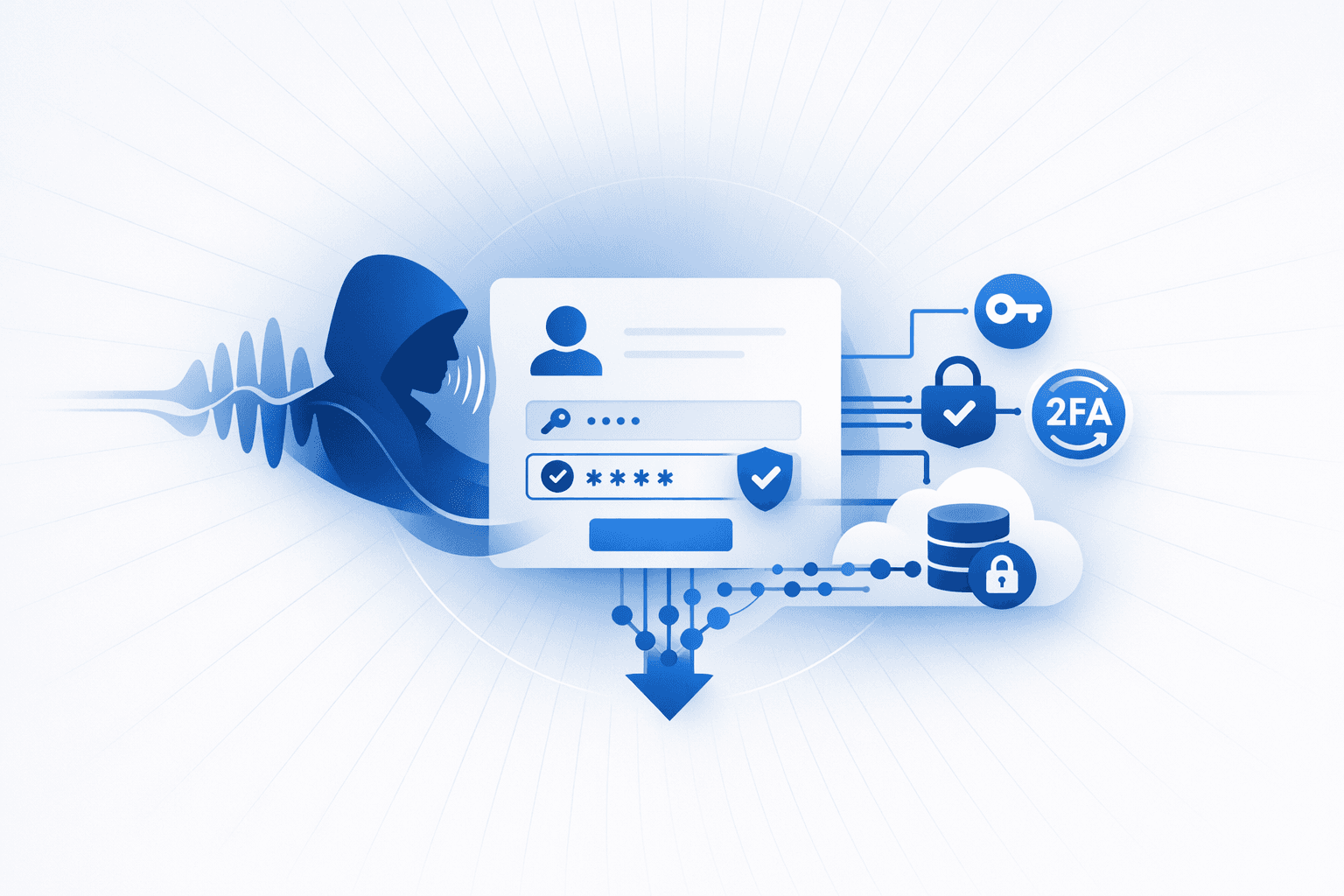
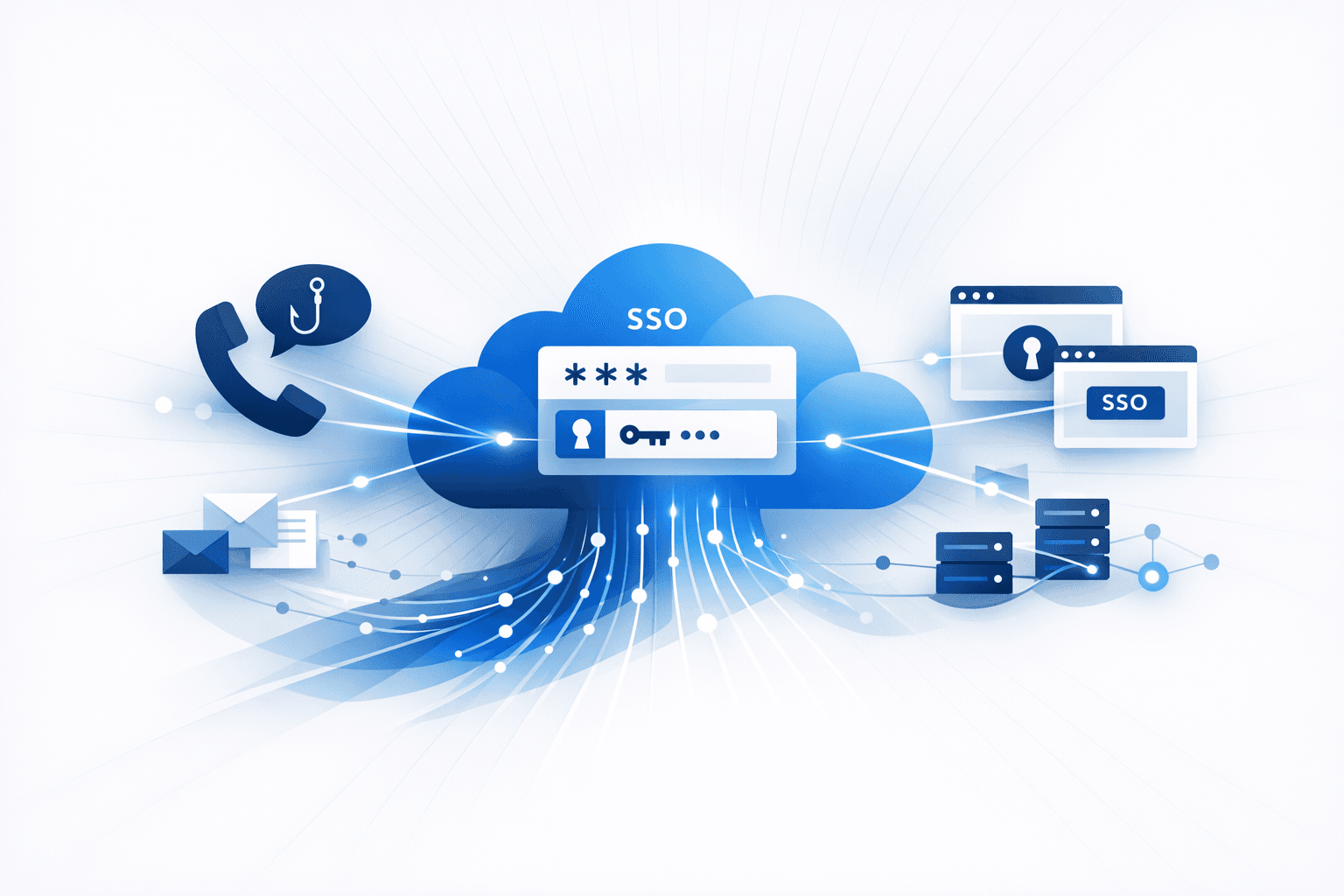
ShinyHunters has been linked to a wave of SaaS-focused data-theft and extortion activity enabled by targeted voice phishing (vishing) and company-branded phishing portals designed to capture SSO credentials and MFA codes. Mandiant reported that attackers impersonate IT/helpdesk staff, direct employees to realistic login pages, and use real-time interaction (including guiding victims to approve push prompts or provide one-time codes) to authenticate and then enroll attacker-controlled devices into MFA. After account takeover, the actor pivots through Okta, Microsoft Entra, or Google SSO dashboards to rapidly access downstream SaaS services (e.g., Salesforce, Microsoft 365/SharePoint, DocuSign, Slack, Atlassian, Dropbox, Google Drive), turning a single compromised identity into broad cloud data access.
Separately, Bumble reported a phishing-driven compromise of a contractor account, after which ShinyHunters allegedly claimed theft of ~30 GB of data—reported as largely internal files sourced from Google Drive and Slack—while Bumble stated there was no evidence of exposure of user chats or profiles. Reporting also tied ShinyHunters to other claimed or alleged thefts affecting consumer and enterprise brands (including Match Group properties such as Hinge, Match, and OkCupid), consistent with the broader pattern of leveraging compromised identities and SaaS access paths for data exfiltration and extortion leverage.
Why it matters
Impact assessment
This activity affects organizations that rely heavily on enterprise identity providers and SaaS ecosystems, especially those using Okta, Microsoft Entra, Google Workspace, Microsoft 365, Salesforce, Slack, SharePoint, DocuSign, Atlassian, Dropbox, and Google Drive. The impact is high because a single compromised SSO identity can provide broad downstream access, enabling rapid data theft, extortion, operational disruption, and reputational damage without malware deployment.
The exposure is broad across SaaS-heavy enterprises and has been observed or targeted across retail, hospitality, healthcare, pharmaceuticals, technology, fintech, biotech, logistics, legal, energy, and consumer platforms. Exploitation in the wild is established: multiple vendors and incident responders reported active campaigns since at least late 2025/early 2026, and Bumble confirmed a phishing-driven contractor account compromise tied to alleged theft of about 30 GB of internal data from Google Drive and Slack.
Supporting facts
- Threat actor and clusters:
- ShinyHunters-linked activity
- UNC6661, UNC6671, UNC6240
- Cordial Spider / BlackFile / CL-CRI-1116 / O-UNC-045 / UNC6671
- Snarky Spider / O-UNC-025 / UNC6661
- Affected platforms and products:
- Identity: Okta, Microsoft Entra, Google SSO/Google Workspace
- SaaS/data stores: Salesforce, Microsoft 365, SharePoint, OneDrive, Slack, DocuSign, Atlassian, Dropbox, Google Drive, HubSpot
- Affected sectors called out across references:
- Retail and hospitality
- Healthcare and pharmaceuticals
- Technology, fintech, biotech
- Logistics, legal, energy, telecommunications, education, media
- Known incidents and claims:
- Bumble confirmed phishing compromise of a contractor account
- Alleged Bumble theft: about 30 GB, largely internal files from Google Drive and Slack
- Match Group properties referenced: Hinge, Match, OkCupid, Tinder
- Other reported victims/claims: Panera Bread, SoundCloud, Crunchbase, Betterment
- Business impact patterns:
- Rapid cloud data theft and extortion
- Harassment of victim personnel in some cases
- Reported DDoS pressure against victim websites in some incidents
- Minimal endpoint artifacts because activity stays inside trusted SaaS environments