Ex-Google Engineer Convicted of Economic Espionage and AI Trade Secret Theft
Regulatory & Policy · 7 sources · Updated 5mo ago · First seen Jan 30, 2026

A U.S. federal jury convicted former Google engineer Linwei Ding (aka Leon Ding) on 14 counts spanning economic espionage and theft of trade secrets after prosecutors said he stole thousands of confidential Google documents tied to the company’s artificial intelligence technology for the benefit of a China-based startup. The U.S. Department of Justice framed the case as protection of U.S. intellectual property and national security, alleging the theft was intended to advantage the People’s Republic of China (PRC).
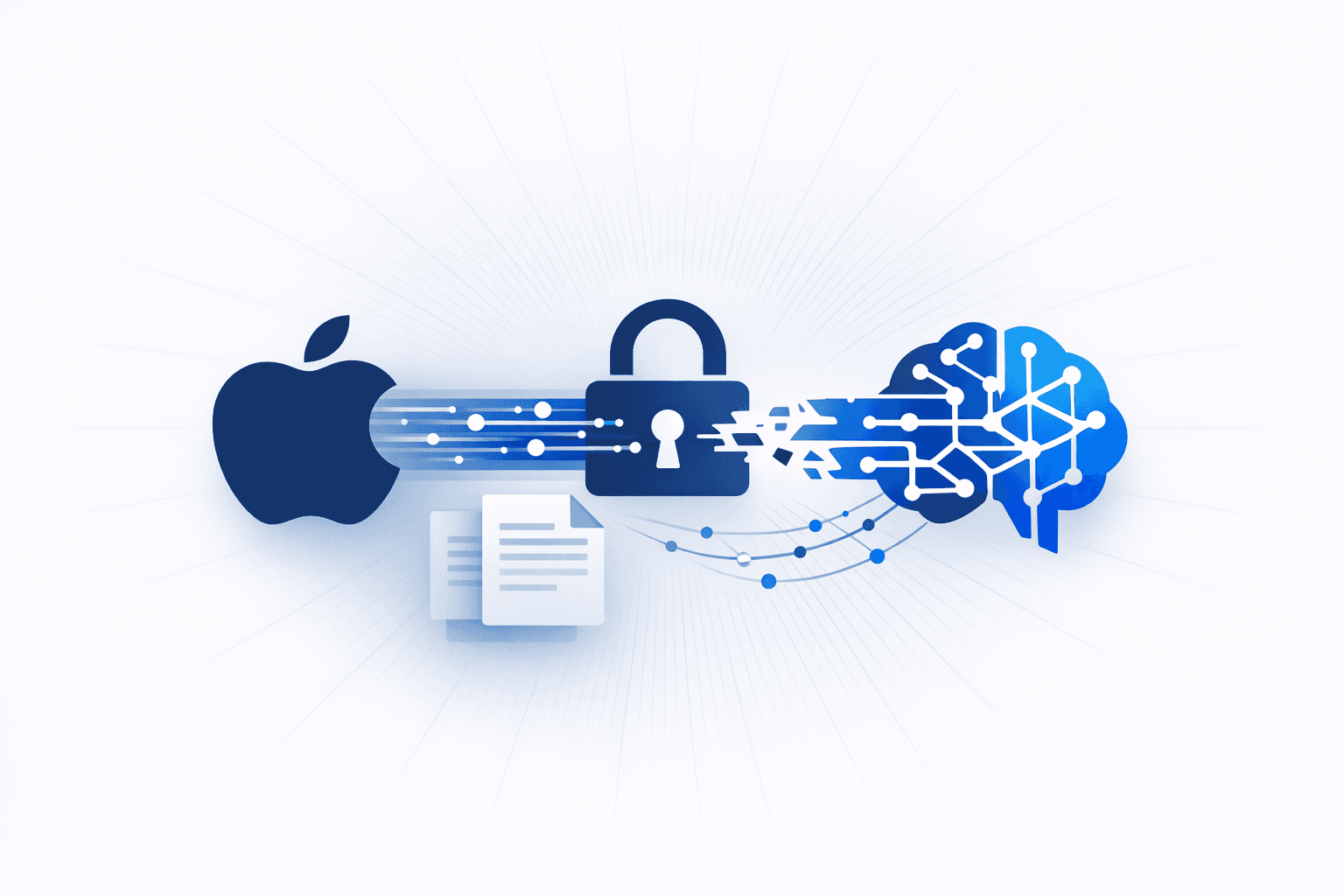
Reporting indicates Ding began exfiltrating internal materials as early as May 2022, including by copying content into the Apple Notes app, converting it to PDFs, and uploading it to a personal cloud account. The stolen information reportedly covered sensitive AI infrastructure and chip-related technology, including details associated with Google’s AI supercomputing environment (e.g., data center/cluster management components) and hardware/software used to run AI workloads (including TPU/GPU systems and related networking components). Ding was initially indicted in March 2024, with subsequent superseding indictments expanding the alleged timeframe and charges; the case is cited as USA v. Ding, N.D. Cal., No. 3:24-cr-00141.
Why it matters
Impact assessment
This is a high-severity insider-threat and economic-espionage case affecting large technology firms, AI infrastructure operators, semiconductor designers, and cloud providers that handle proprietary model-training hardware and orchestration software. The primary impact is loss of intellectual property and strategic competitive advantage, with downstream national-security implications where stolen AI infrastructure knowledge may support foreign state-linked entities.
The exposure appears targeted rather than indiscriminate, but the case demonstrates a broadly relevant risk pattern for enterprises with valuable R&D: trusted employees can exfiltrate sensitive technical material over long periods using consumer applications and personal cloud storage. There is no indication of mass customer compromise or destructive disruption, but there are confirmed allegations of successful exfiltration over roughly May 2022 to April 2023 and later local download activity in December 2023.
Supporting details
- Affected entity: Google.
- Affected sectors by relevance: technology, AI/ML, semiconductor, hyperscale cloud, high-performance computing.
- User populations at risk by analogy: engineers, researchers, administrators, and employees with access to source code, chip designs, cluster-management systems, and internal architecture documents.
- Severity drivers:
- Theft of trade secrets tied to TPU, GPU, SmartNIC, and AI supercomputing infrastructure.
- Potential transfer of proprietary designs and operational methods to PRC-linked firms.
- Reputational and legal exposure from failure to prevent prolonged insider exfiltration.
- Scope:
- Targeted insider activity against one company.
- Broad defensive relevance because the exfiltration method used common enterprise tools and personal cloud storage.
- Known incidents:
- Federal jury conviction of Linwei Ding aka Leon Ding on 14 counts.
- Reporting states more than 1,000 files / 1,255 documents / over 2,000 pages were exfiltrated, depending on source framing.
- Google security controls reportedly aided the investigation after the theft but did not prevent the initial exfiltration.