Rising Regulatory and Governance Pressure on Data Protection and Cybersecurity
Regulatory & Policy · 2 sources · Updated 5mo ago · First seen Jan 25, 2026

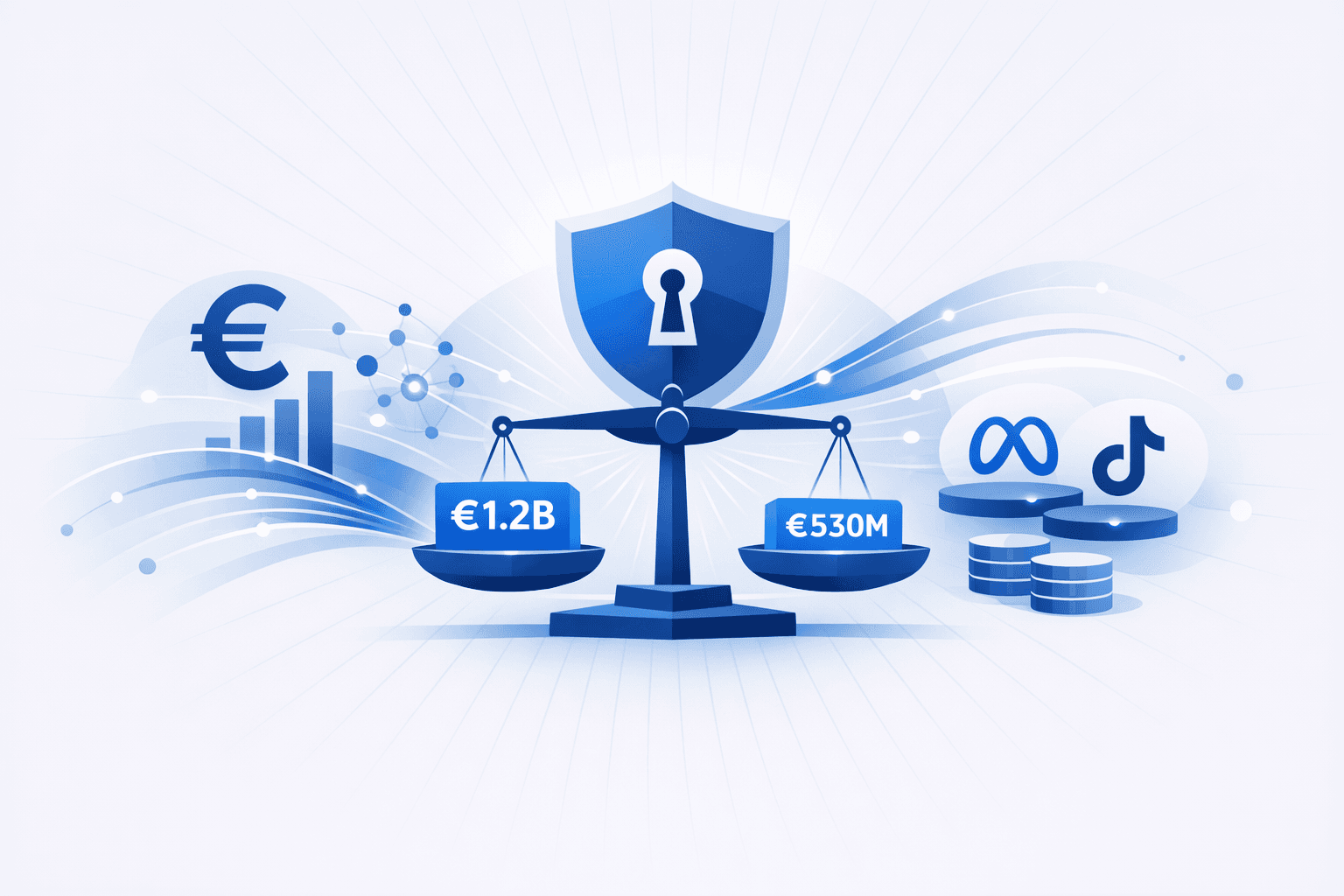
European regulators issued roughly €1.2B in GDPR fines in 2025 and received an average of 443 personal data breach notifications per day, signaling increased enforcement and reporting volume alongside overlapping disclosure regimes such as NIS2 and DORA. Ireland remained a leading enforcement authority, including a €530M fine against TikTok, while large technology firms continued to account for most of the largest penalties; cumulative GDPR penalties since 2018 were reported at €7.1B.
In the U.S., an HHS Office of Inspector General management challenges report highlighted persistent federal healthcare cybersecurity gaps, including inconsistent governance and controls across HHS divisions and heavy dependence on contractors and grantees to implement security measures—conditions that complicate prevention and response as ransomware and other attacks continue to target healthcare. Separately, an academic study on insider risk reported that 58% of surveyed college students in technology-related programs said they would violate HIPAA and disclose patient data for sufficient payment, underscoring the human/insider threat dimension that can drive breach risk and downstream regulatory exposure.
Why it matters
Impact assessment
Regulatory and governance pressure is increasing materially for organizations handling personal data in Europe and protected health information in the U.S. healthcare sector. The immediate impact is financial and operational: higher likelihood of breach disclosure, larger regulatory penalties, and greater scrutiny of governance, third-party oversight, and incident response maturity.
The exposure is broad rather than tied to a single product or campaign. In Europe, GDPR enforcement reached about €1.2B in 2025 with regulators receiving an average of 443 breach notifications per day, while in the U.S. HHS-OIG identified systemic cybersecurity weaknesses across HHS and its contractor/grantee ecosystem as ransomware pressure on healthcare continues.
Supporting details
- Affected populations:
- EU organizations subject to GDPR, especially large technology firms and any entity processing personal data
- Organizations subject to overlapping EU regimes including NIS2 and DORA
- U.S. healthcare and public health entities handling electronic protected health information
- HHS divisions, contractors, grantees, and external entities influencing HHS cybersecurity posture
- Severity:
- Significant financial exposure from regulatory fines
- Operational disruption from breach reporting obligations, audits, and remediation demands
- Reputational damage following public enforcement actions and breach disclosures
- Elevated extortion and service disruption risk in healthcare due to ongoing ransomware activity
- Scope:
- Widespread governance and compliance exposure across sectors, not a narrowly targeted incident
- Largest GDPR penalties remain concentrated among major technology firms, but reporting and enforcement pressure affects all covered entities
- Known incidents/exploitation:
- No new specific exploitation campaign is described
- The healthcare sector is explicitly described as a continuing target of ransomware and increasingly sophisticated cyberattacks