EU Proposal to Expand Cybersecurity Act and Restrict High-Risk Technology Suppliers
Regulatory & Policy · 4 sources · Updated 5mo ago · First seen Jan 21, 2026
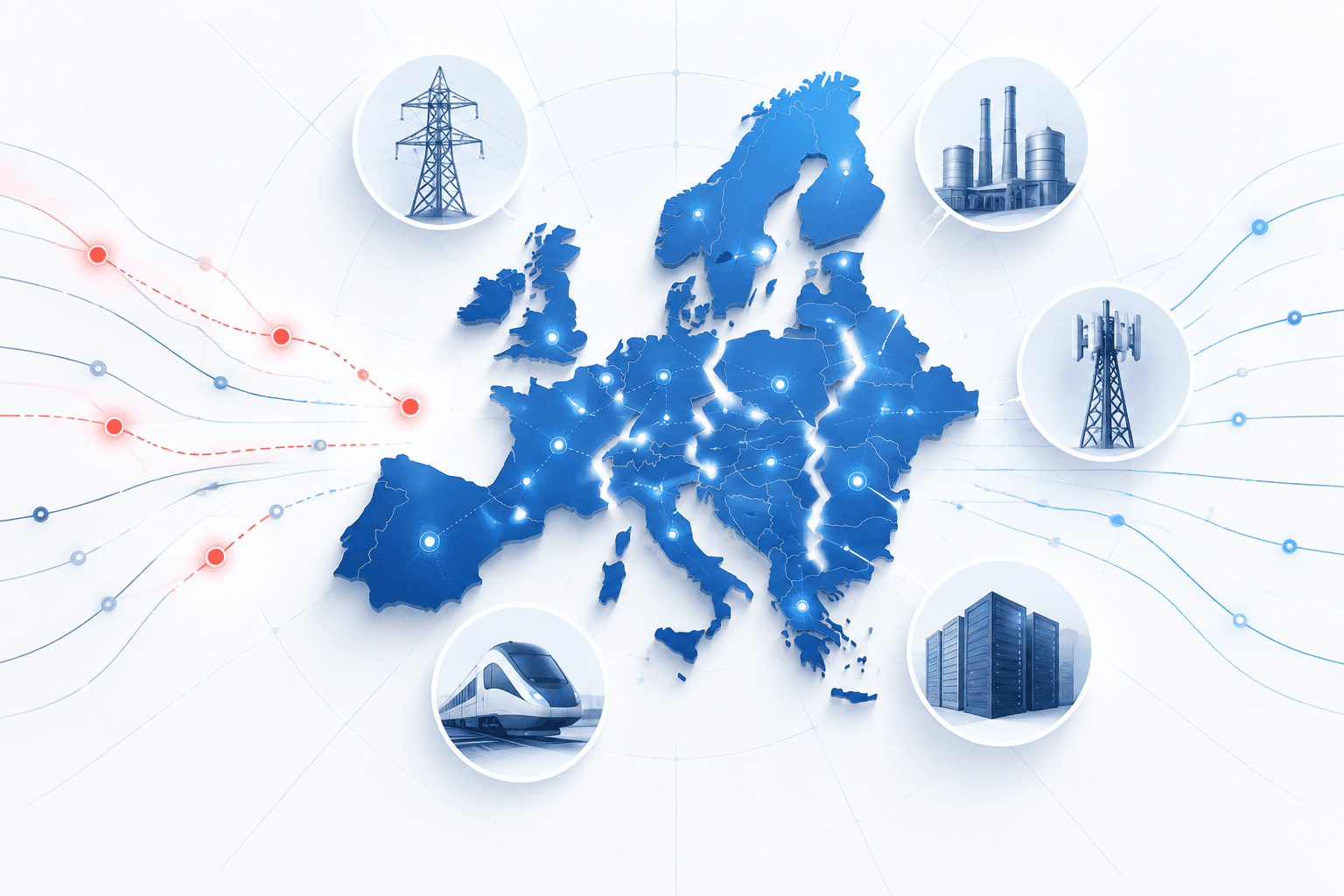
The European Commission unveiled a revised EU Cybersecurity Act proposal that would allow the bloc to identify and potentially exclude “high-risk” suppliers—including those deemed vulnerable to third-country influence—from critical digital infrastructure across 18 essential sectors. The proposal also aims to streamline and accelerate EU-wide cybersecurity certification, reflecting a shift toward treating supply-chain security as both a technical and geopolitical risk-management issue.
Reporting highlighted that the proposal, while not naming countries, is widely viewed as targeting Chinese vendors and supply dependencies—particularly around network equipment and connected energy technologies such as solar inverters that may connect to cloud services and create potential access paths into the energy grid. Separate coverage of the same Commission initiative noted plans to expand ENISA’s mandate, including closer operational cooperation with national authorities to help counter threats such as ransomware, but emphasized that the proposal still requires negotiation and approval by the European Parliament and member states before it can take effect.
Why it matters
Impact assessment
The proposal affects operators, suppliers, and service providers tied to EU critical digital infrastructure, especially telecommunications, energy, and other entities across 18 essential sectors. If enacted, it could force phased removal or recall of products from suppliers later designated high-risk, creating material operational, procurement, compliance, and supply-chain disruption rather than an immediate software-exploitation event.
The exposure is broad at the policy and supply-chain level across the EU, but there is no new technical compromise, malware campaign, or vulnerability exploitation disclosed in the reporting. The most immediate business risk is strategic: organizations with dependencies on potentially scrutinized foreign suppliers, including network equipment and cloud-connected solar inverter ecosystems, may face replacement costs, certification delays, and reputational pressure.
Supporting details
- Affected populations:
- EU critical infrastructure operators across 18 essential sectors
- Mobile telecommunications network operators
- Energy-sector organizations using connected technologies such as solar inverters
- ICT vendors, managed security service providers, and product suppliers selling into the EU
- Cross-border entities subject to NIS2 supervision and incident-reporting obligations
- Severity:
- Potential operational disruption from mandatory phase-out of designated high-risk suppliers
- Financial impact from accelerated supplier replacement, recertification, and compliance work
- Reputational and regulatory risk for organizations retaining suppliers later deemed high-risk
- Possible service continuity risk where already-deployed products are recalled or phased out
- Scope:
- EU-wide proposed regulatory exposure
- Particularly relevant to telecom and energy supply chains
- Broad strategic exposure, not a targeted intrusion set
- Exploitation status:
- No CVE or active exploitation in the wild reported
- Reporting references ransomware and cyber-espionage as motivating threats, but not as a newly disclosed campaign tied to this proposal