Windows and Cloud DNS Abuse Research Enables DoS and Kerberos Relay Scenarios
Vulnerability Disclosure · 2 sources · Updated 5mo ago · First seen Jan 21, 2026
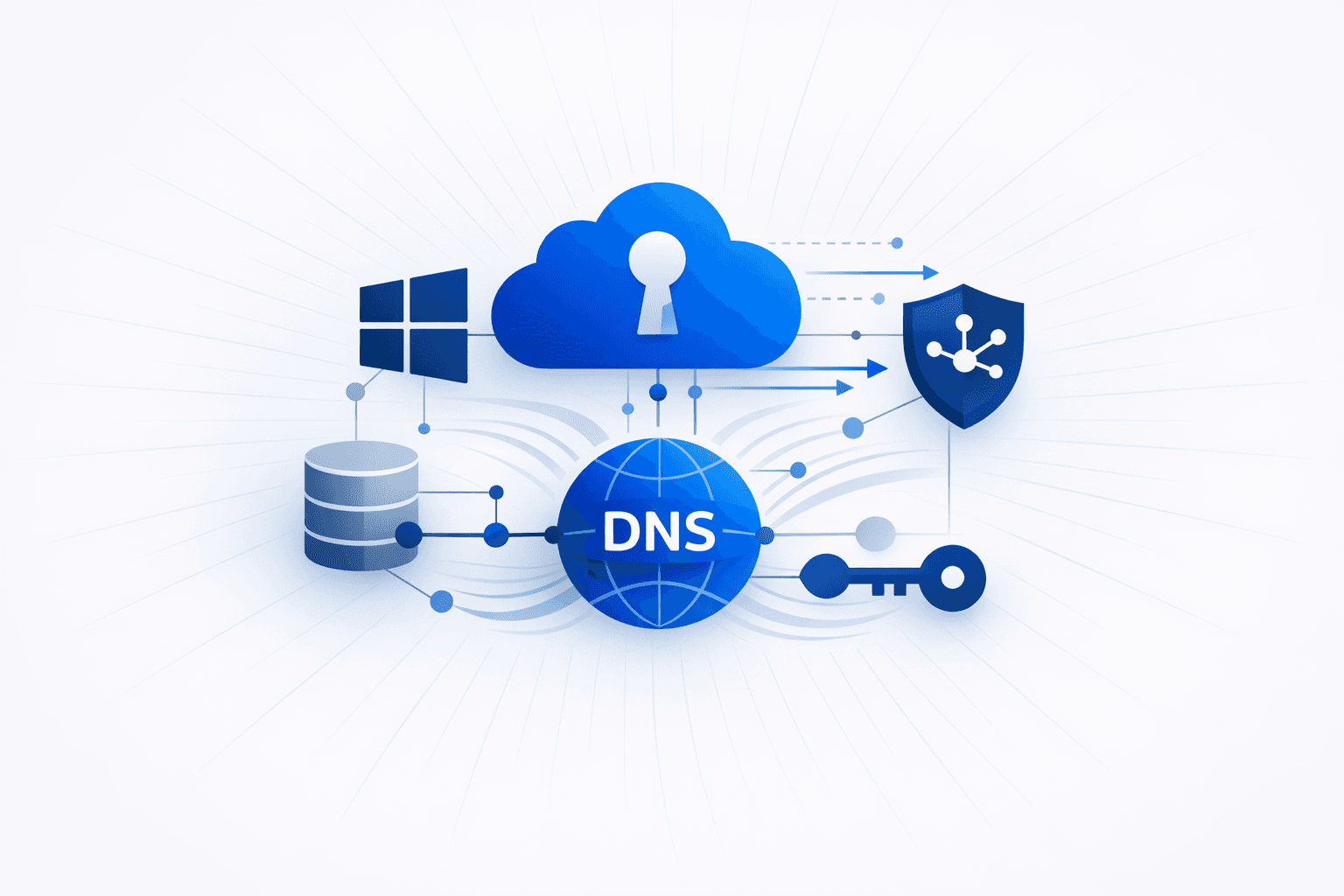
Multiple security research teams reported DNS-related abuse paths that can be weaponized for denial-of-service and authentication relay. Unit 42 described how Azure Private Endpoint/Private Link DNS behavior can be leveraged—accidentally or maliciously—to disrupt access to Azure resources by effectively “over-privatizing” name resolution, creating a DoS condition for services such as Storage Accounts, Key Vault, Cosmos DB, Azure Container Registry, Function Apps, and OpenAI accounts. Their assessment suggested the exposure is not rare in the wild (they observed 5%+ of Azure storage accounts in configurations susceptible to this DoS pattern) and noted Microsoft guidance around internet fallback as a partial mitigation, alongside recommendations to scan environments for susceptible configurations.
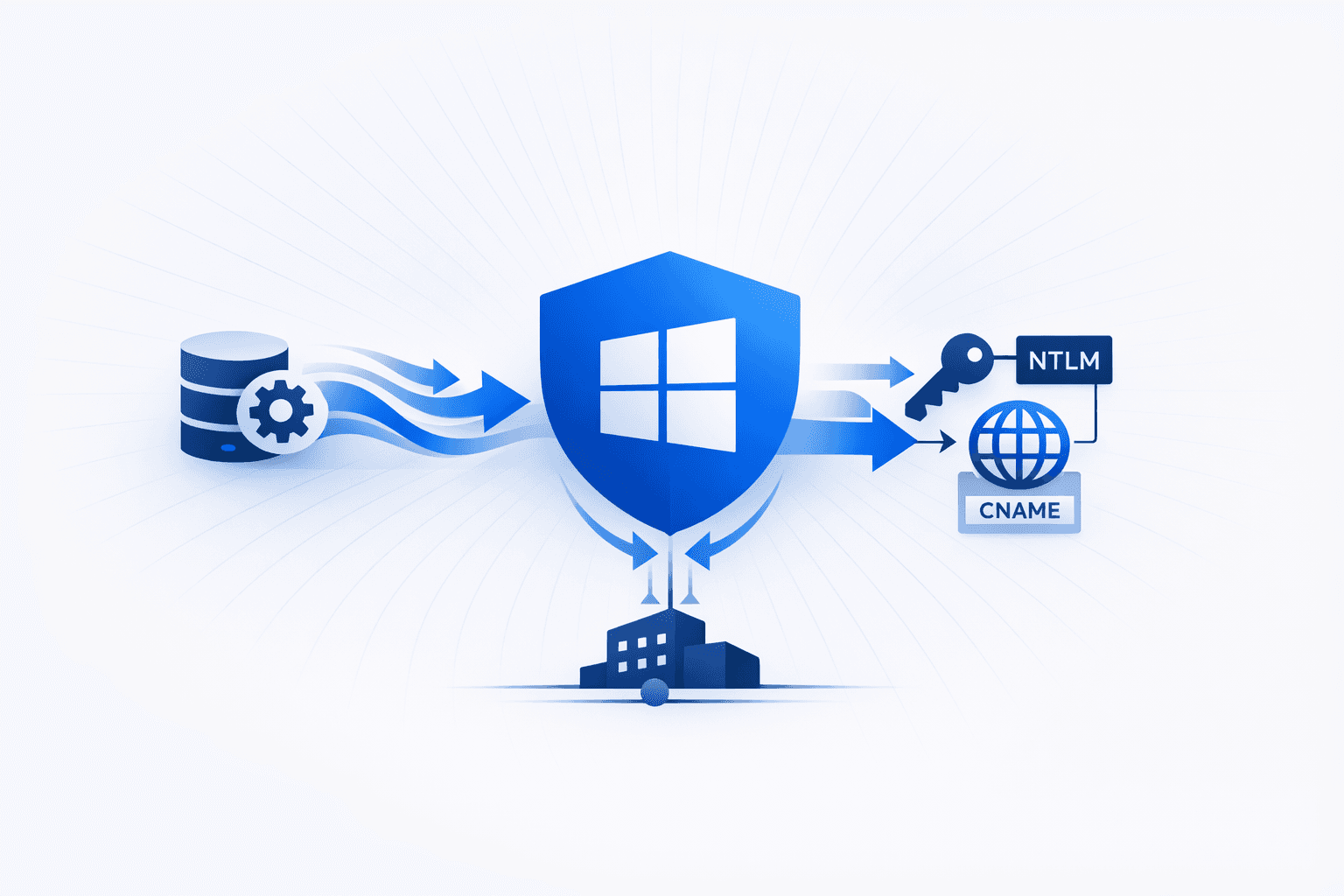
Separately, Cymulate detailed a Kerberos authentication relay technique via DNS CNAME abuse in Windows/Active Directory environments: an on-path attacker can influence DNS CNAME resolution so Windows clients request Kerberos service tickets for attacker-chosen SPNs, enabling relays to services like SMB/HTTP when signing or Channel Binding Tokens (CBT) are not enforced. Cymulate stated Microsoft acknowledged the behavior and responded by improving target-service resilience, including backported CBT support for HTTP.sys in supported Windows Server versions (released in a January patch cycle). A third report from Positive Technologies analyzed an RCE path in Windows Telephony Service (TAPI) via arbitrary file write from a low-privileged client, which is a distinct Windows local/service exploitation topic and not part of the DNS/Kerberos abuse story.
Why it matters
Impact assessment
The story describes two actionable exposures: an Azure DNS design abuse path that can cause partial denial of service across cloud workloads, and a Windows/Active Directory Kerberos relay technique that enables user impersonation and lateral movement. Affected organizations are those using Azure Private Endpoint/Private Link in hybrid or mixed-access designs and Windows AD environments where attackers can gain DNS man-in-the-middle position and relay to services lacking signing or CBT protections.
The Azure issue can disrupt access to Storage Accounts, Key Vault, Cosmos DB, Azure Container Registry, Function Apps, and OpenAI accounts, with downstream outages when dependent applications lose storage or secret access. Unit 42 assessed the Azure exposure as non-rare, citing more than 5% of Azure storage accounts in susceptible configurations, while the Kerberos relay scenario is targeted rather than internet-scale and depends on local network positioning plus weak service-side anti-relay controls.
Supporting facts
- Azure services named as affected: Storage Accounts, Key Vault, Cosmos DB, Azure Container Registry, Function Apps, OpenAI accounts.
- Azure impact includes partial DoS inside virtual networks forced to resolve through linked Private DNS zones lacking required records.
- Downstream Azure effects called out:
- Azure Functions can fail when storage access is denied.
- Processes depending on Key Vault secrets can fail when vault access is disrupted.
- Unit 42 reported over 5% of Azure storage accounts in configurations susceptible to the described DoS pattern.
- Azure abuse can be triggered by:
- Internal administrators
- Third-party vendors deploying Private Endpoints
- Attackers with Azure access
- Windows/AD impact includes:
- User impersonation without password theft
- Lateral movement
- Privilege escalation
- Potential remote code execution depending on relayed service
- Kerberos relay exploitation requires an on-path attacker able to intercept or modify DNS traffic.
- Microsoft acknowledged the Kerberos client behavior; the report does not claim the underlying DNS/CNAME-to-SPN behavior was removed.
- Known exploitation in the wild is not stated in the provided references.