Healthcare and public-sector data breaches and breach-related litigation
Breach & Incident Intelligence · 3 sources · Updated 5mo ago · First seen Jan 20, 2026
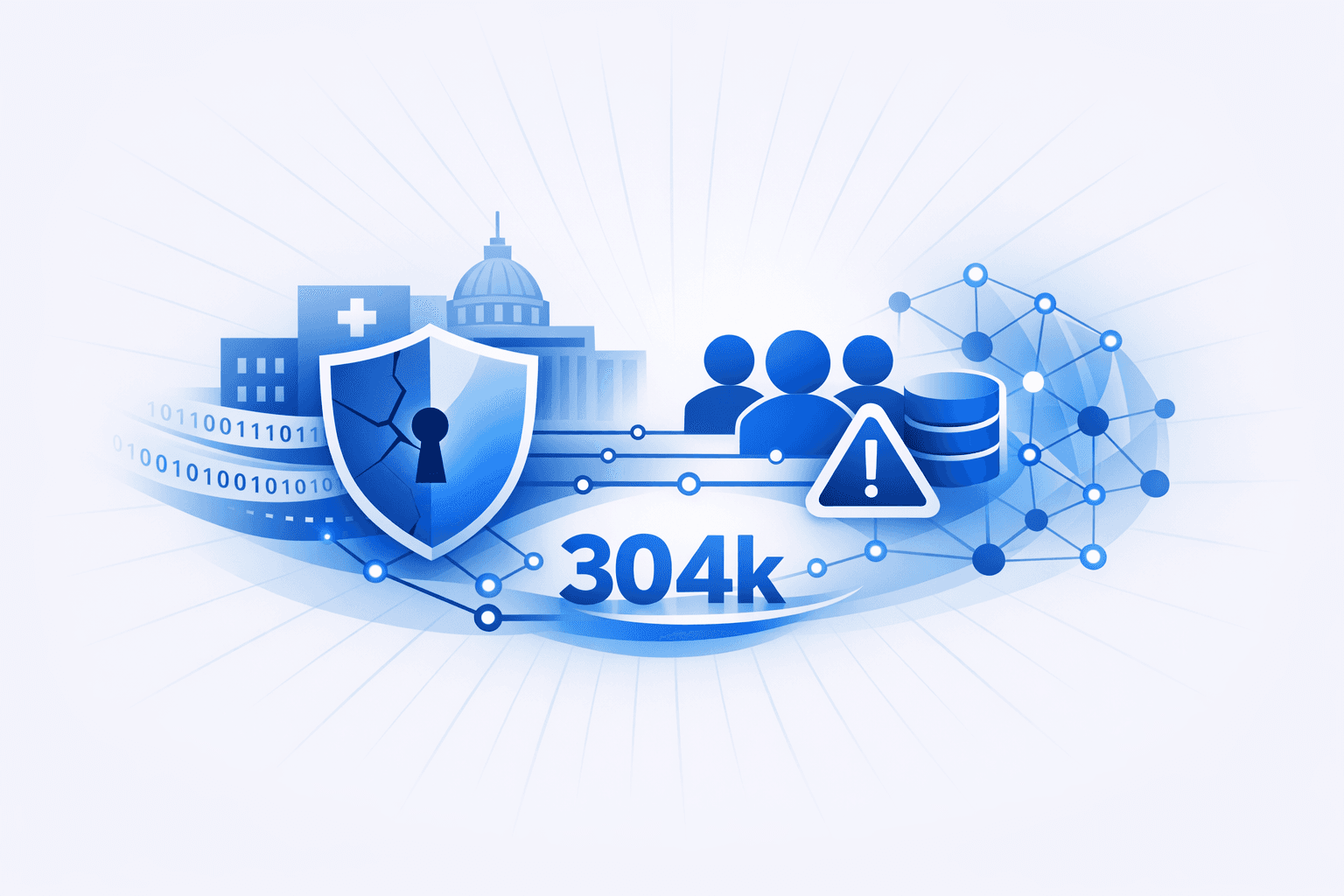
Multiple organizations reported unauthorized access and data exposure events affecting large populations, with several incidents tied to third-party systems or business associates. The Minnesota Department of Human Services notified nearly 304,000 people after a user associated with a licensed healthcare provider accessed demographic records in the MnChoices system (managed by vendor FEI Systems) beyond what was authorized; most impacted records were demographic data, with a smaller subset including some medical information and, for some, the last four digits of SSNs. Monroe University reported a December 2024 intrusion with data exfiltration affecting about 320,973 individuals, with exposed data potentially including SSNs, government IDs, financial account information, and health/insurance data; notification letters began in early January 2026. Separately, Mid Michigan Medical Billing Service disclosed a March 2025 cyberattack that exposed PHI for 28,185 individuals across healthcare clients, and VillageCareMAX reported a breach involving business associate TMG Health (details referenced as part of a broader business-associate breach update).
Other items in the set describe distinct, unrelated security stories rather than the same incident: an underground-market sale of Raaga user data (10.2M records, including passwords stored as unsalted MD5 hashes), a settlement in litigation tied to the Veradigm breach (over 2M patients; $10.5M class-action settlement), and a ransomware incident at Valley Eye Associates where a group identified as Qilin claimed exfiltration (139 GB) and published data. Additional references include commentary on UK government handling of an Afghan data breach (spreadsheet emailed outside the MoD and use of an injunction) and broader analysis of healthcare breach trends and UK ambulance-service breach reporting; these provide context but do not describe the same specific event as the Minnesota DHS or other named incidents.
Why it matters
Impact assessment
These incidents primarily affect healthcare, public-sector human services, higher education, and their downstream patients, members, students, and beneficiaries. The impact is significant because exposed data includes PHI, Social Security numbers, government IDs, financial account data, credentials, and insurance information, creating sustained identity theft, fraud, privacy, and regulatory risk.
The scope is broad across multiple unrelated organizations, with reported affected populations of nearly 304,000 at Minnesota DHS, about 320,973 at Monroe University, and 28,185 through Mid Michigan Medical Billing Service; VillageCareMAX also reported exposure through business associate TMG Health, though the affected count was not disclosed. Known exploitation in the wild is confirmed for the Monroe and Mid Michigan incidents through unauthorized network access and data exfiltration/copying, while the Minnesota DHS case appears to be insider misuse or overbroad authorized access rather than external compromise.
Supporting facts
- Minnesota Department of Human Services: nearly 304,000 individuals affected.
- Minnesota DHS incident involved the MnChoices system used by counties, Tribal Nations, and managed care organizations for long-term services and support assessments.
- Minnesota DHS incident was tied to a user associated with a licensed healthcare provider who exceeded authorized access.
- Most Minnesota DHS records involved demographic data; 1,206 individuals had additional medical information and, for some, last four digits of SSNs exposed.
- Monroe University: approximately 320,973 individuals affected.
- Monroe University data potentially included SSNs, driver’s license numbers, passport numbers, other government IDs, medical information, health insurance information, usernames and passwords, financial account information, and student data.
- Mid Michigan Medical Billing Service: 28,185 individuals affected across healthcare clients.
- Mid Michigan exposed data could include diagnosis/treatment information, Medicare/Medicaid IDs, medical record numbers, payment card numbers, biometric data, and limited SSNs.
- VillageCareMAX breach stemmed from business associate TMG Health, owned by Cognizant.
- TMG Health exposure potentially included names, member IDs, health information, and SSNs.
- Third-party concentration risk is a recurring theme: FEI Systems managed MnChoices; TMG Health administered health-plan functions for VillageCareMAX; Mid Michigan handled billing for covered entities.