Reprompt One-Click Prompt-Injection Chain Bypassing Microsoft Copilot Guardrails
Emerging Technology Risk · 2 sources · Updated 5mo ago · First seen Jan 19, 2026
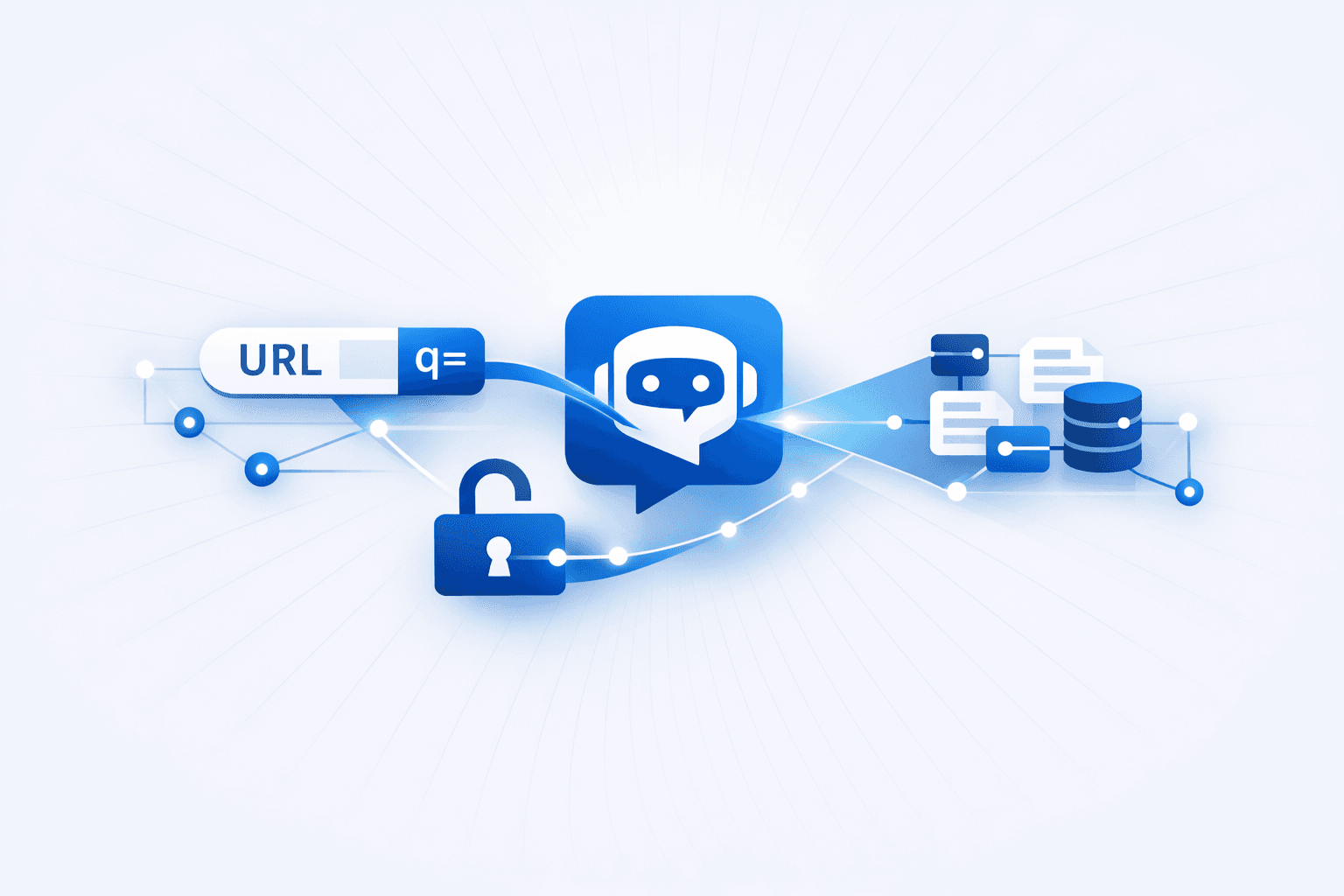
Varonis Threat Labs disclosed a prompt-injection attack chain dubbed Reprompt that enabled one-click data theft from Microsoft Copilot by abusing how Copilot accepts prompts via a URL. The technique relied on the q URL parameter to auto-populate and execute attacker-supplied instructions when a victim clicked a crafted Copilot link, requiring no plugins, connectors, or additional user-entered prompts. Researchers reported the method could expose sensitive information previously available in the Copilot session, including PII, and could continue exfiltration even after the Copilot chat window was closed.
The reported attack flow chained multiple techniques to bypass Copilot’s protections, including Parameter-to-Prompt (P2P) injection via the q parameter and a double-request bypass in which safeguards applied to an initial request but could be defeated by forcing Copilot to repeat the task, leading to disclosure on a subsequent attempt. Varonis also described chain-request exfiltration to maintain covert control of the session and progressively extract data. Reporting indicates Microsoft took action in response to the research, though the core risk highlighted is that URL-triggered prompt execution and multi-step request chaining can undermine AI assistant guardrails if not consistently enforced across requests and session states.
Why it matters
Impact assessment
Reprompt was a one-click prompt-injection chain against Microsoft Copilot Personal that could expose sensitive data from an active Copilot session, including previously submitted PII. The impact is high for affected consumer users because exploitation required only a malicious link click and could continue exfiltrating data after the visible chat was closed, but reported scope was limited to Copilot Personal and not Microsoft 365 Copilot enterprise.
Affected populations and products
- Microsoft Copilot Personal tied to consumer Microsoft accounts
- Copilot integrations in Windows and Edge, as described by the reporting
- Individual users whose Copilot sessions contained sensitive prompts or responses
Severity and business risk
- Sensitive data exposure, including previously available session data and PII
- Low-friction exploitation: one click on a crafted Copilot link
- Potential stealth and persistence within the session after the chat window was closed
- Detection difficulty on the client side increases dwell time and likelihood of unnoticed exfiltration
Scope and exploitation status
- Reporting states Microsoft 365 Copilot enterprise users were not affected
- Exposure appears product-specific rather than ecosystem-wide
- Public reporting describes researcher-demonstrated exploitation; no in-the-wild exploitation was cited in the provided references
- Microsoft patched the issue in January 2026 before or at public disclosure