CISA Guidance Highlights AI Risk in Operational Technology and Critical Infrastructure
Sector Threat Intelligence · 4 sources · Updated 5mo ago · First seen Jan 15, 2026
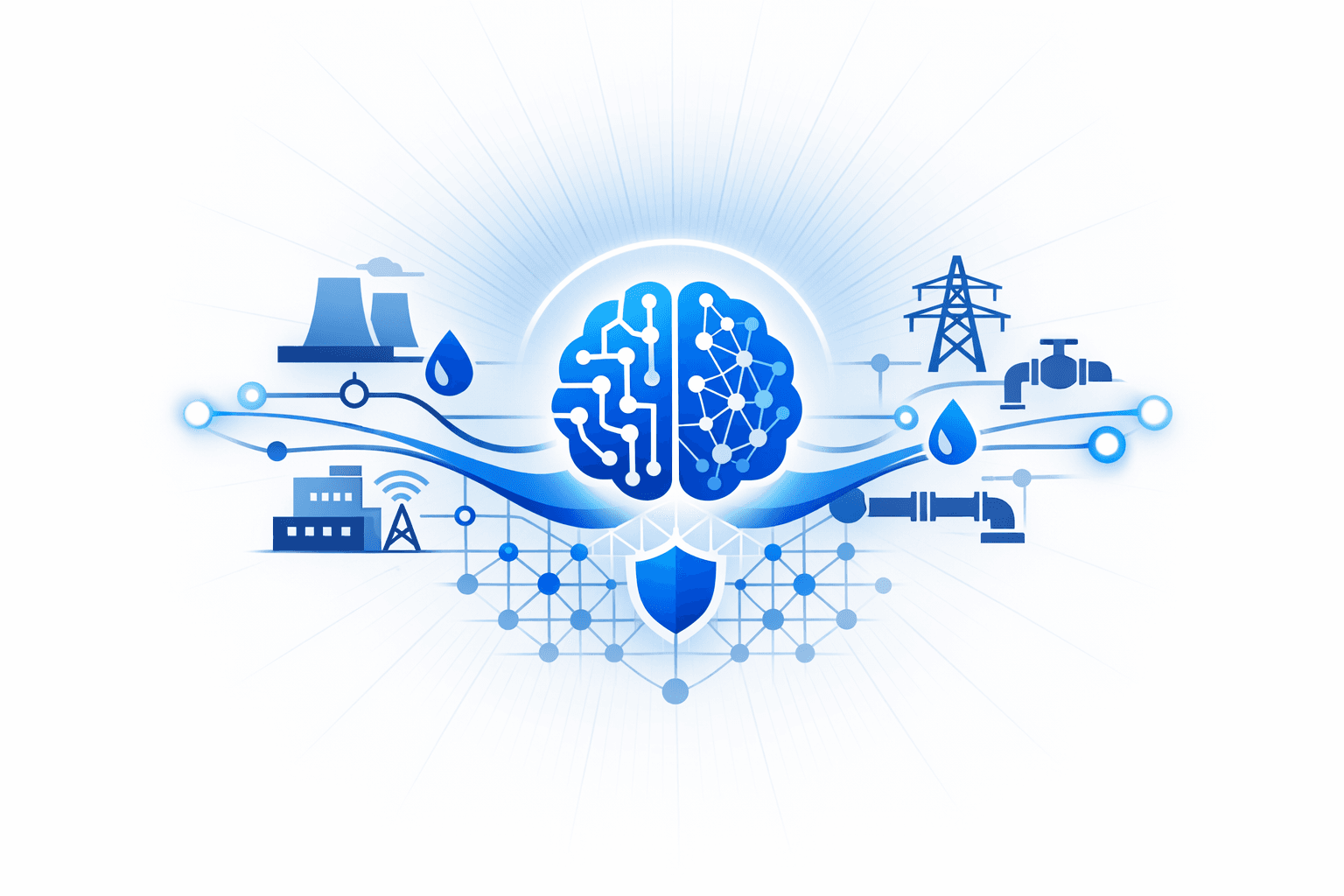
The U.S. Cybersecurity and Infrastructure Security Agency (CISA) issued new guidance warning that expanding use of AI—particularly generative AI tools—in operational technology (OT) can increase risk across critical infrastructure environments such as power, water, pipelines, and industrial processes. The guidance emphasizes that OT systems historically lag in cybersecurity maturity and are increasingly exposed as they become more internet-connected and integrated with Industrial IoT (IIoT) sensors and remote operations; it also flags organizational challenges such as OT security skill gaps and the likelihood of “shadow AI” use even where tools are formally restricted.
Separate industry commentary reinforced that AI adoption in OT is accelerating and will increasingly move from monitoring to recommendation and automated action, raising the stakes because failures can have physical consequences and cascading operational disruption. Additional perspectives highlighted broader cyber-physical resilience issues—arguing that enterprises often fail to integrate physical and cyber security programs effectively—and pointed to basic infrastructure dependencies (e.g., power redundancy and misconfigured backup power) as underappreciated factors that can turn outages into major security and safety incidents in converged IT/OT environments.
Why it matters
Impact assessment
CISA guidance highlights a growing exposure for critical infrastructure operators adopting AI in OT environments, especially in energy, water, pipelines, transportation, manufacturing, healthcare manufacturing, and building management. The primary risk is not a single new vulnerability but an expansion of cyber-physical attack surface that can lead to unsafe automated actions, service disruption, data exposure, and cascading physical consequences.
The scope is potentially widespread because the issue stems from broad trends: increased OT internet connectivity, IIoT adoption, remote operations, and likely shadow AI use by staff even where generative AI tools are restricted. The story does not describe a confirmed exploitation campaign or active in-the-wild abuse tied to a specific CVE, but it does describe conditions that materially increase the likelihood and impact of future incidents.
Supporting details
- Affected sectors named or implied:
- Power grids and utilities
- Water treatment and water supply
- Pipelines
- Transportation and air traffic control
- Manufacturing and industrial processes
- Healthcare manufacturing
- Building control and automation environments
- Affected technologies and environments:
- OT and industrial control systems
- Monitoring systems
- IIoT-connected environments
- Remote operations infrastructure
- AI-enabled decision, recommendation, and automation workflows
- Physical security systems managed by IT, including CCTV, access control, alarms, and building automation
- Severity drivers:
- Potential shutdown of essential services
- Physical safety consequences from incorrect AI-driven actions
- Cascading failures across interconnected industrial systems
- Production stoppage and patient-safety risk in healthcare manufacturing
- Financial losses from downtime; one cited estimate states manufacturing downtime can exceed $50,000 per hour
- Reputational and regulatory impact for critical service operators
- Scope characteristics:
- Broad exposure across organizations modernizing OT with AI, remote access, and edge/IIoT connectivity
- Elevated risk where cyber and physical security teams are organizationally separated
- Elevated risk where backup power, failover, and resilience engineering are weak
- Exploitation status:
- No specific incident, malware family, or actor campaign is reported in this story
- The references cite repeated historical hacking of utilities, pipelines, and building control systems, but not a new AI-specific intrusion set