Predictions and Impacts of AI on Cybersecurity in 2026
Emerging Technology Risk · 2 sources · Updated 5mo ago · First seen Jan 9, 2026
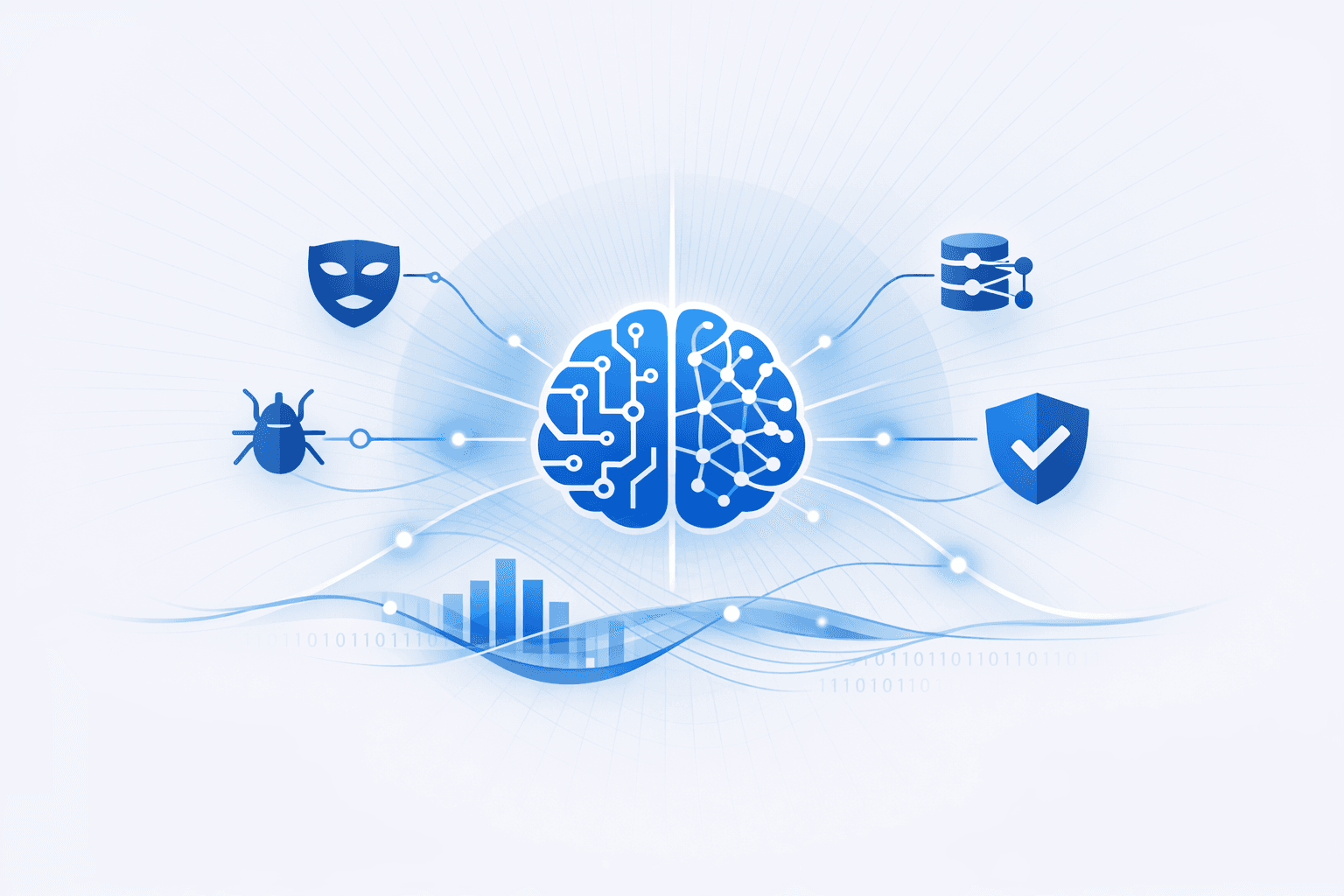
Artificial intelligence is expected to significantly shape the cybersecurity landscape in 2026, with experts forecasting both increased threats and the necessity for AI-driven defenses. Analysts predict that attackers will leverage agentic and autonomous AI to automate phishing, lateral movement, and exploit chains, reducing the need for human operators and increasing the scale and sophistication of attacks. Moody's 2026 outlook highlights the risk of adaptive malware, deepfakes, and model poisoning, warning that organizations adopting AI without robust safeguards will face heightened regulatory and operational risks. The rapid evolution of AI-powered threats is already evident, with more personalized phishing and faster, AI-assisted hacking becoming mainstream concerns.
In response, cybersecurity professionals emphasize that AI-powered defense is no longer optional for modern organizations. Traditional security tools are increasingly ineffective against the speed and complexity of modern threats, such as ransomware and targeted phishing. AI-based cybersecurity solutions augment human expertise by analyzing vast datasets in real time, learning normal behavior patterns, and flagging anomalies with greater accuracy. This shift enables security teams to reduce false positives, detect subtle threats earlier, and prioritize responses more effectively, helping organizations mitigate regulatory penalties, operational downtime, and reputational harm in an environment where cyberattacks are more frequent and sophisticated than ever before.
Why it matters
Impact assessment
This story describes a strategic trend rather than a discrete incident: organizations adopting AI and internet-facing digital services are broadly affected by faster, more scalable phishing, ransomware, exploit chaining, and social-engineering operations. The impact is potentially high across all sectors because AI can lower attacker cost, increase campaign volume, and worsen operational disruption, fraud, regulatory exposure, and reputational damage.
Key impact points
- Affected populations: enterprises of all sizes, especially organizations with large user bases, exposed identity infrastructure, customer support channels, and AI-enabled business processes.
- Most exposed industries: finance, healthcare, government, education, retail, and other sectors with sensitive data, high transaction volume, or dependence on continuous operations.
- Severity: increased risk of credential theft, business email compromise, ransomware enablement, fraud via deepfakes, and downtime from faster intrusion and response evasion.
- Scope: widespread and cross-sector; the reporting frames this as an ecosystem-wide shift rather than a targeted campaign.
- Exploitation in the wild: the references state that AI-assisted phishing and faster AI-enabled hacking are already mainstream concerns, but they do not document a specific named campaign or confirmed incident set.
- Business consequences called out in the references: financial loss, legal or regulatory action, operational instability, and reputational harm.
Structured facts extracted from references
- Entities: Moody's, TechTarget, Hackread.
- Threat themes: agentic AI, autonomous AI, adaptive malware, deepfakes, model poisoning, AI-assisted phishing, AI-assisted exploit chains, AI-enabled lateral movement.
- Defensive themes: AI-driven detection, anomaly detection, predictive risk analysis, automated incident response, account lockdowns, network isolation, layered governance.
- No victim organizations, malware families, threat actor names, CVEs, or IOCs are provided in the story.